




Why Are Luxury Rigid Box Samples More Expensive? Key Technical Challenges Explained
When sourcing premium packaging, many brands are surprised to find that rigid gift box sampling costs are significantly higher than standard folding carton samples. While a simple carton prototype may be quick and low-cost, a luxury rigid box sample often involves higher fees, longer lead times, and multiple revisions.
This price difference is not just about materials—it reflects the technical complexity, manual craftsmanship, and precision engineering required to produce a true-to-production sample. Understanding these factors helps brands make better decisions and avoid costly mistakes in mass production.
Rigid Boxes vs Standard Packaging
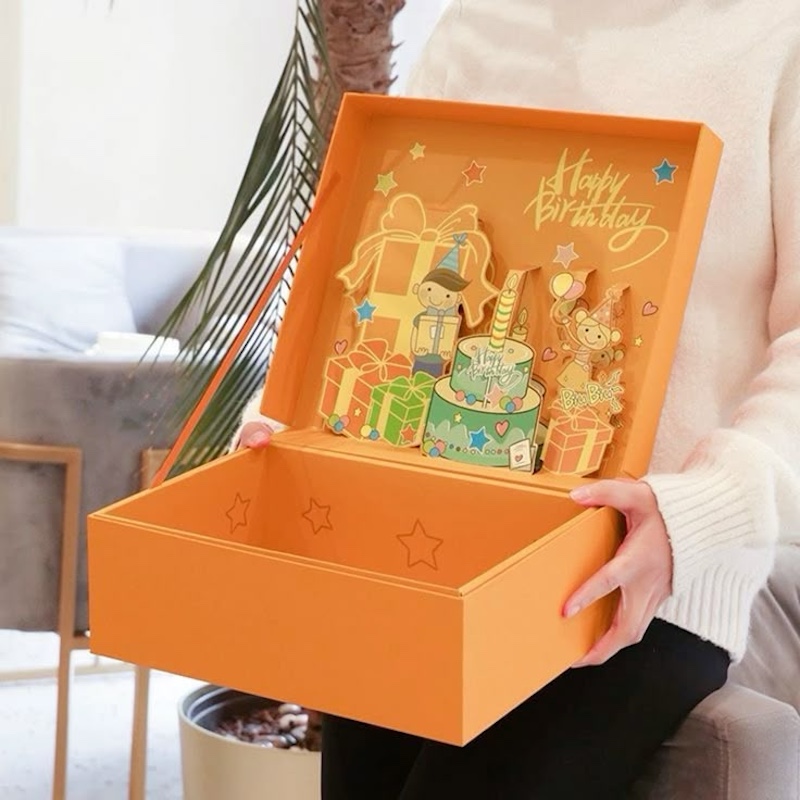
Rigid boxes (also known as setup boxes) are made from thick greyboard and wrapped with printed or specialty paper. Unlike folding cartons, they:
- Do not collapse
- Require manual assembly
- Include premium features (magnets, inserts, layered structures)
- Focus on luxury presentation and durability
Because of this, their sampling process is fundamentally different.
Key Reasons Why Sampling Costs Are Higher
1. Labor-Intensive Handcrafting
Rigid box samples are mostly made by hand. Skilled workers must:
- Cut and assemble greyboard
- Apply glue manually
- Wrap printed paper precisely
- Finish edges and corners
This level of craftsmanship takes time and cannot be fully automated, making labor a major cost driver.
2. Complex Structural Design
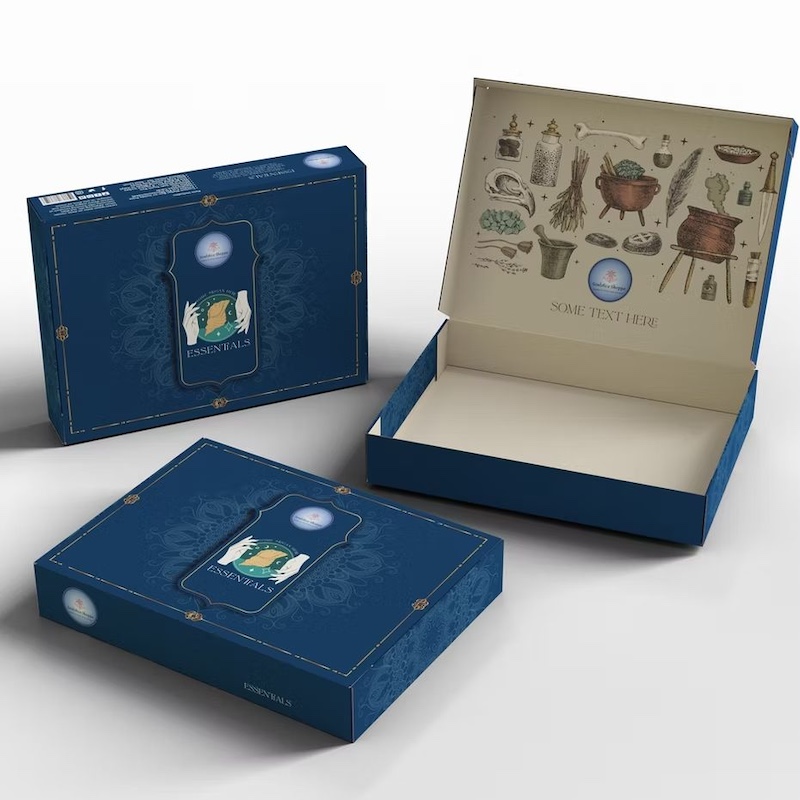
Luxury boxes often include advanced structures such as:
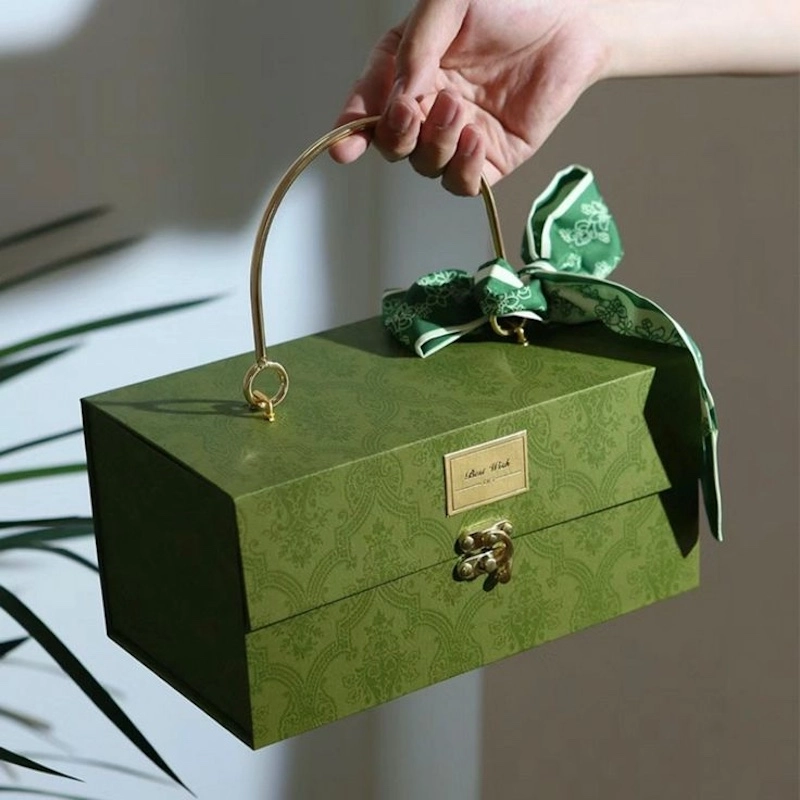
- Magnetic closures
- Drawer-style boxes
- Multi-layer constructions
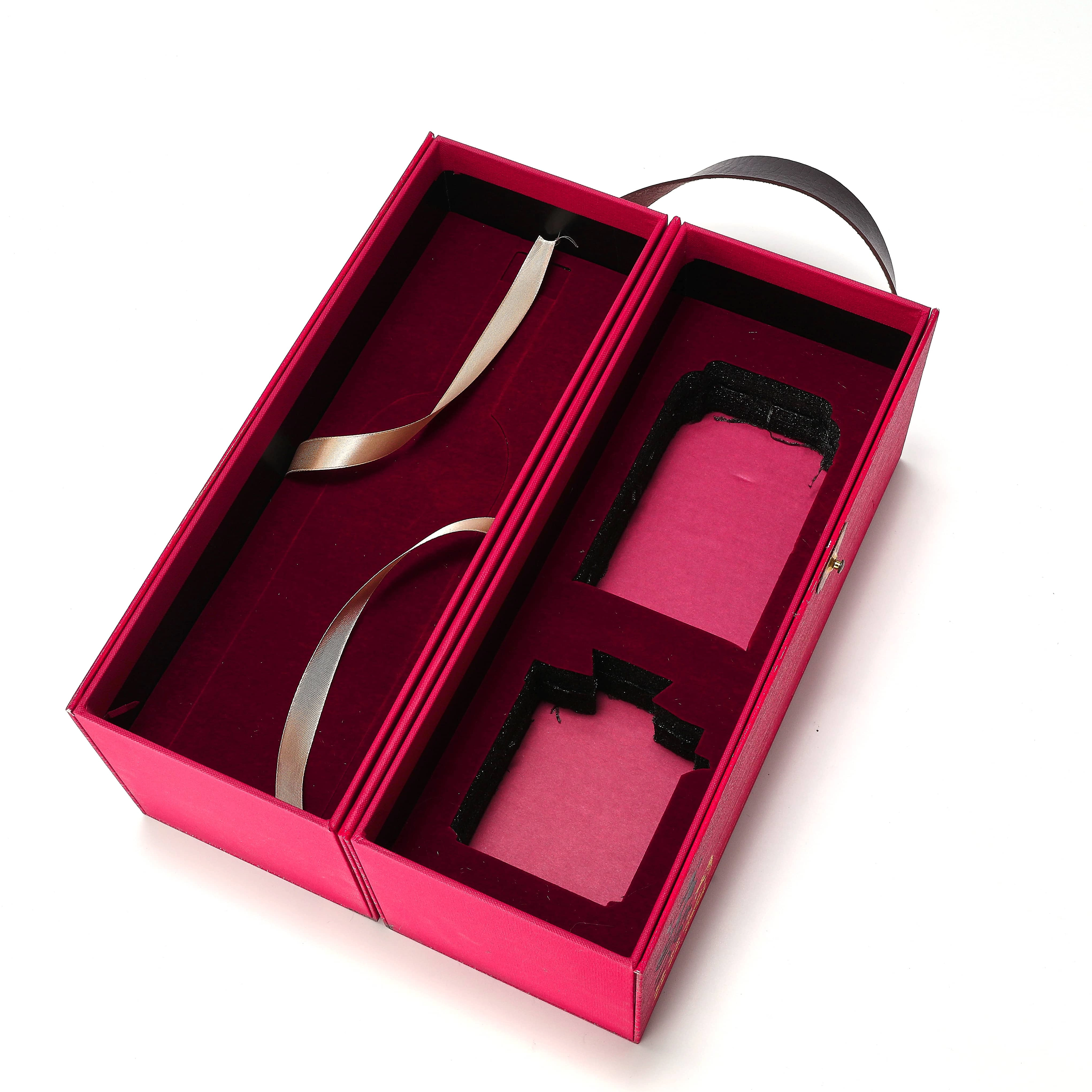
- Custom-fit inserts
Each structure must be engineered and tested during sampling, increasing development time and complexity.
3. High Material Cost (Low Quantity)
Premium materials used in rigid boxes include:
- High-density greyboard
- Specialty papers (textured, coated, soft-touch)
- EVA foam or paper inserts
Since sampling uses small quantities, materials cannot benefit from bulk pricing, leading to higher per-unit costs.
4. Precision Mounting Process
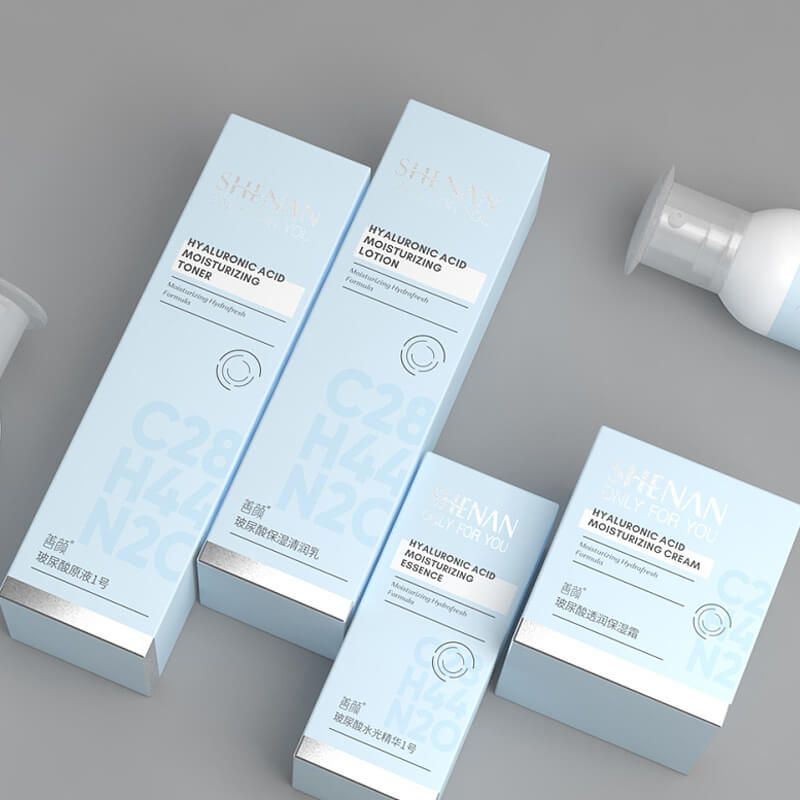
Mounting (wrapping paper onto board) is one of the most critical steps. It requires:
- Perfect alignment
- Bubble-free surfaces
- Sharp, clean corners
Achieving this level of precision manually increases both time and cost, but it is essential to reflect final product quality.
5. Custom Insert Development
Many luxury boxes require inserts to hold products securely. Creating inserts involves:
- Accurate measurement
- Structural design
- Material selection
- Prototype cutting
Complex inserts (foam, molded pulp, layered paper) add additional cost during sampling.
6. Multiple Revisions and Iterations
It is common for rigid box samples to go through several rounds of adjustments, including:
- Size corrections
- Material changes
- Finishing upgrades
Each revision requires new labor and materials, increasing total sampling cost.
7. Tooling and Setup Inefficiency
Even for samples, some processes require:
- Die-cutting tools
- Manual forming equipment
These setups are less efficient for small quantities, which raises the cost per sample compared to mass production.
Why Sampling Is Worth the Cost
Despite higher costs, rigid box sampling is a critical investment.
Avoid Production Risks
A validated sample prevents structural or quality issues in bulk production.
Ensure Brand Consistency
It allows brands to confirm materials, colors, and finishing meet expectations.
Optimize User Experience
Testing the unboxing experience ensures premium presentation and functionality.
How to Reduce Sampling Costs
Brands can control costs with a strategic approach:
- Provide clear specifications (size, materials, structure)
- Minimize design changes after sampling starts
- Prioritize key features first
- Work with experienced packaging manufacturers
Efficient communication and planning can significantly reduce unnecessary iterations.
Conclusion
The higher cost of rigid box sampling is driven by manual craftsmanship, structural complexity, premium materials, and precision requirements. Unlike standard packaging, rigid box prototypes must closely replicate the final luxury product, which demands time, expertise, and attention to detail.
For brands aiming to create high-end packaging, sampling should be viewed not as an expense, but as a quality assurance investment. A well-developed sample ensures smoother production, better customer experience, and stronger brand positioning in the market.

About Us
How soon we can get a sample?
Usually,reference sample within 2 days. Customized sample need 5-7days.
Rigid Drawer Box
What are the wholesale pricing options for bulk orders?
We offer competitive wholesale prices for bulk orders. Please contact our sales team for more details
Rigid Lift-off Box
Can I order a sample of my rigid box?
Yes, we strongly recommend that you do so, we provide a variety of sample types to meet different usage situations and help you guarantee the best results!
Special Shape Boxes
What are the wholesale pricing options for bulk orders?
We offer competitive wholesale prices for bulk orders. Please contact our sales team for more details
About Printing Craftsmanship
What is screen printing used for?
Screen printing is ideal for printing on a variety of surfaces, including:
Fabric (t-shirts, tote bags)
Plastic (bottles, packaging)
Paper (posters, packaging)
Metal and glass (signs, promotional products)

Start Your Packaging Journey Today
Discover Our Curated Collection of Bespoke Packaging Cases & Tailored System Solutions
© 2025 WINPACK PRINTING. All rights reserved

Wenhua Printing packaging
winpackprinting
Winpack Printing