




How to Write A Packaging Design Brief
As we've discussed, efficient packaging design can elevate your product and make it stand out.
Packaging can have a significant impact on your business, so it's important to take the time to get it right. In this paper, we will discuss how to create an effective packaging design brief.
The significance of packaging design
The design of your packaging is an integral part of your brand for a number of reasons.
Firstly, packaging protects your product.
It ensures that it reaches its destination without being damaged.
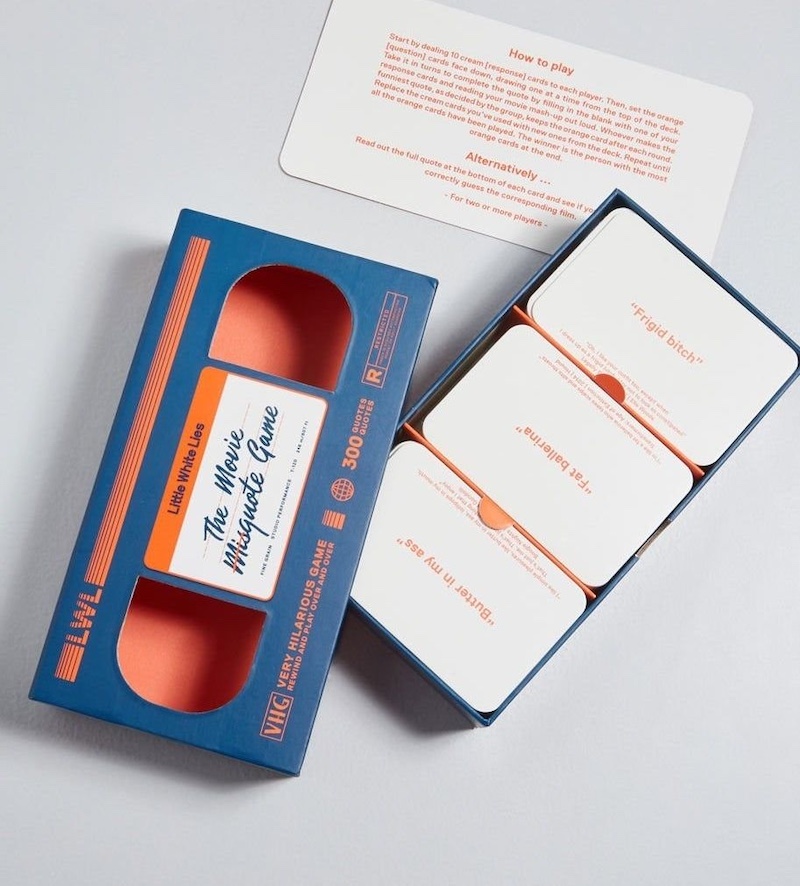
Packaging design is a way to stand out from other brands and create a strong brand narrative.
Depending on the design, materials and colours used, your brand can be easily recognised, adding to your overall brand story.
Given the marketing value associated with effective packaging designs and the customer experience they produce, it's clear that excellent packaging design can make your brand stand out.
A design brief is also required to ensure that your packaging design is realised.
What is a design brief?
Imagine it as a guideline for the packaging designer.
It is probably the simplest way to think of it: it is simply a document that tells designers what you want your packaging to look like.
Design briefs combine inspiration and guidance to help designers understand what you want.
Next, we will explore why creative design briefs are so important in packaging design.
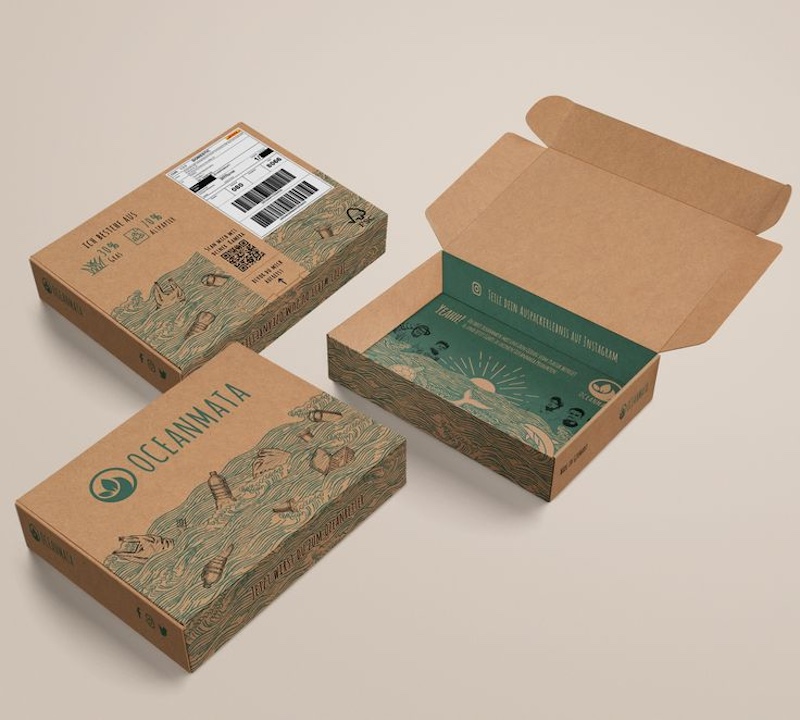
Why are design briefs significant?
By writing down your requirements, any confusion about what is needed, what you are expecting and what the end product should be like is eliminated.
When done properly, this will reduce the need for amendments and edits.
It is a simple and straightforward way of presenting expectations, and the design process is much quicker.
It also provides transparency and allows you to raise red flags at an early stage.
The creative brief for packaging design gives designers an idea of what you are requesting, enabling them to ask questions and highlight any potential issues before they start working on your project in earnest.
Once you are ready to start designing your packaging, it is time to compile your packaging design brief.
The four basic points to include in your brief are detailed below.
The overview
Ideally, your brief should be as straightforward as possible and structured in a simple way. It must also be realistic.
On a larger scale, you will need to provide information about the product, the problems you are facing, what you expect the design to achieve, and the deliverables that will be produced.
The overview must cover the fundamentals on which your packaging design is based.
First, introduce your brand and product. This is akin to pitching your entire brand.
Clearly define your brand name, story and initiatives, and explain how you will communicate and create your brand narrative via your products.
Furthermore, provide insight into what attracts customers to your brand and what sets your products apart from the competition.
This could be competitive prices, sustainable programmes, or anything else that sets you apart from your competitors.
This will give the packaging designers a clear idea of what you want to highlight and portray with your packaging.
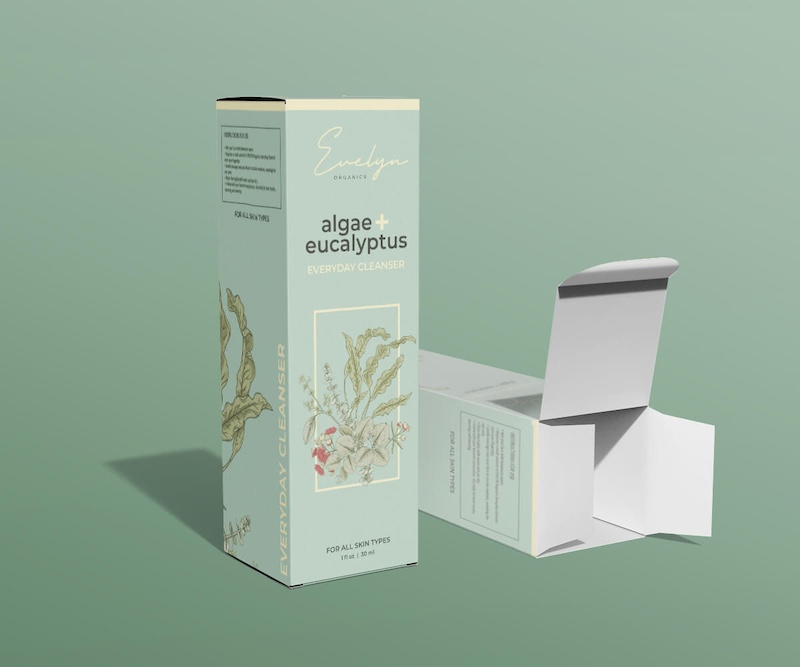
Then you should give an overview of your company that highlights your niche.
How long has your company been operating? Where are you located? How does your brand complement the product you intend to package?
This will give your packaging designer a general idea of your brand and business, enabling them to understand the ins and outs so they can create packaging that fits with your brand story.
Finally, what is the objective of this packaging project?
Set a clear, overarching goal for your packaging project and explain why your packaging design is important for developing your brand.
This information will enable your packaging designer to generate ideas that are already in line with your brand.
This is just the beginning of your packaging design brief.
Next, we will look at the branding information you can include in your packaging design brief to achieve the best possible outcome with the final product.
Branding details
As your packaging design is an extension of your brand, providing the packaging designers with more information about your branding will help them create an effective design, whether it's for box packaging or overall packaging.
It is always a good idea to include brand positioning and competitor packaging in the brief.
Although this may seem similar to some of the above, this section should provide more detail to help sell your brand to the packaging designer and communicate the brand strategy and positioning effectively.
How does your brand compare to your competitors? What are they doing better than you, and what is your advantage over them?
You can also provide insights into your logo design and social marketing presence, as well as some reference photos, which may be useful for explaining the charm of your packaging.
This will help create product packaging that distinguishes your brand from others and fits your target market.
What competitive advantage do you want, and how do you think packaging design could affect it?
You could also mention some box structure examples that you think would be suitable for your products.
The second section will contain a clear profile of your target market.
- What is the profile of your ideal customer?
- What are their likes and dislikes?
- How does this contribute to the competitive edge you have outlined?
- What will you do to attract your target market?
You can also describe your priorities as a business in terms of packaging design.
These may include pricing, improved unboxing experiences, or a combination of other factors that would make working with a packaging designer worthwhile.
This will subsequently help you to formulate clear, measurable marketing goals that will act as a checklist for your packaging designer.
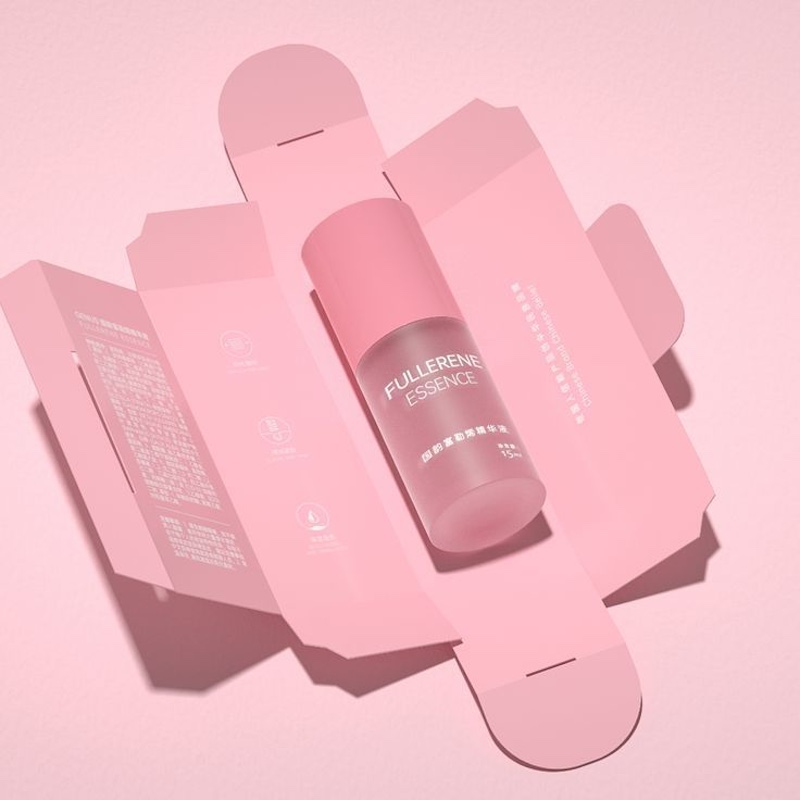
Consider what you would like your packaging design to convey. What efforts do you want to implement as a brand, and how can your packaging design support these? Sustainability? Convenience? Luxury?
You may also wish to share any additional research or insights that could help the packaging designer understand the brand, niche and target market.
Having identified the various branding factors to be considered, it is now time to describe the exact requirements.
Exact requirements
Now it is time to present what the packaging design should look like, based on all the information you have provided above.
It could be a box design or a unique engineering design. Outline the measurements, qualities of the packaging or sustainable packaging techniques that must be included.
If you already have a product on the market and want a new design for the packaging, explain why the current design is not fit for purpose.
This could include:
- High risk of damage
- Poor quality printing
- Expensive to transport
This will give your packaging designer a better understanding of your business history with regard to packaging and provide a checklist of things to avoid.
You can then enter into the limitations of the packaging design, such as details that must be displayed by law, or any other significant details that must be displayed on the packaging.
Are there any sizes, shapes or artwork that designers must not use in the packaging design?
This will facilitate the minimisation of future edits and changes.
References and examples are always welcome in the brief, should you have any to hand!
Next are the practical aspects, including materials and structure.
Define a strategy for how distribution and shipping will work with this packaging design.
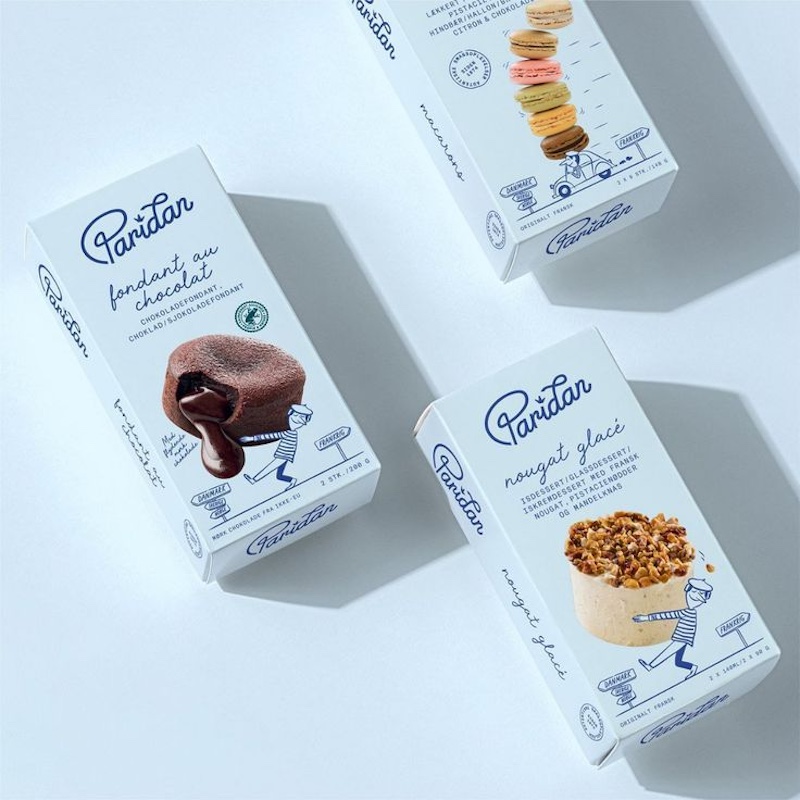
Make sure you have a clear product launch/relaunch plan, so the designer can create packaging that can withstand your distribution process and remain intact.
Will it have to be transported over long distances? How will it be displayed?
Knowing how the product will be shipped and displayed can help packaging designers select materials that will produce long-lasting, attractive packaging.
Once you have conducted some research and provided background information on potential structural designs, you can begin the detailed process.
What types of files will you be sharing for this project? PDF? Will several individuals or a single individual be required to be involved in the process?
The second and final section of the packaging design brief should explain how designs are to be submitted for approval, and outline the approval process, to create clear expectations.
Approval
As the design process continues, it is important to note that changes will occur, so setting expectations early on can help overcome some of the roadblocks.
Nevertheless, it is always possible to modify design requirements and elements during the process to make them fit your product more effectively, for example:
You may find that what you want for your product is not what your product needs.
Consult the packaging designer before proceeding with the work to discuss any modifications to the brief and make any necessary amendments. Collaborate with the designer to ensure that both parties understand the brief.
Another way to speed up the design process is to allow time for prototyping and approvals. Pay close attention to the details when prototyping.
Remember that the more specific the creative brief for packaging design, the better the results will be.
This saves you and the packaging designer time and is an essential element in ensuring the design process runs smoothly.
You don't need to write reams of information, but using a template and adding the necessary information (and links to additional notes and references) will provide designers with a framework and allow you to explain things before proceeding.
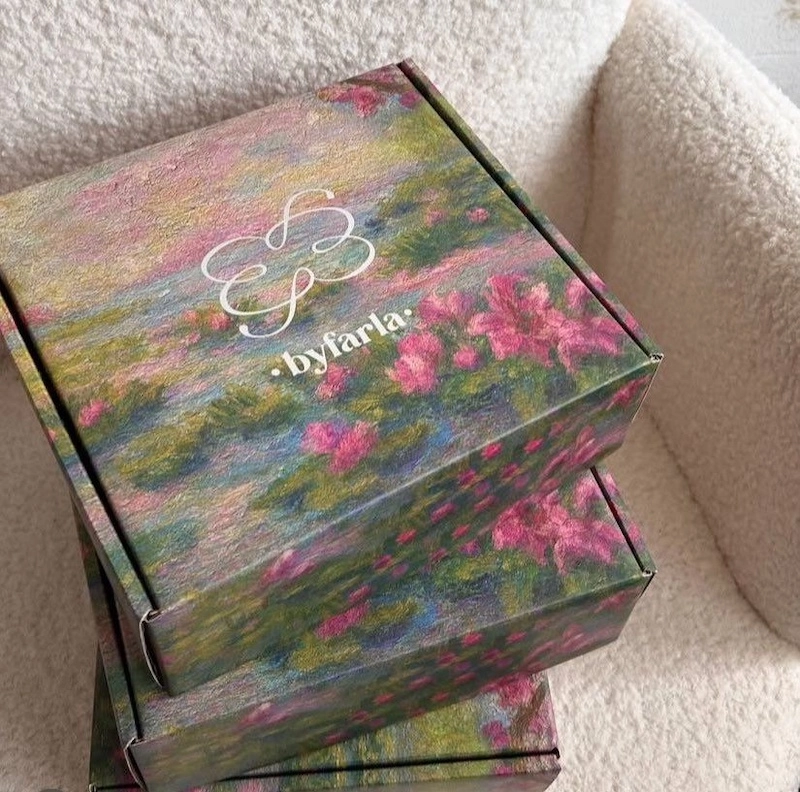
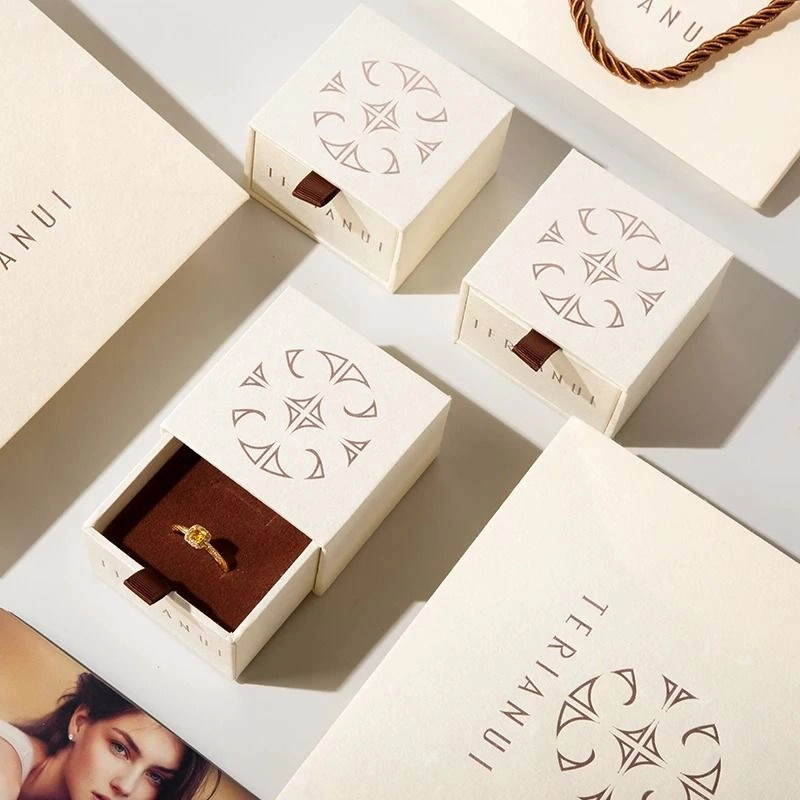
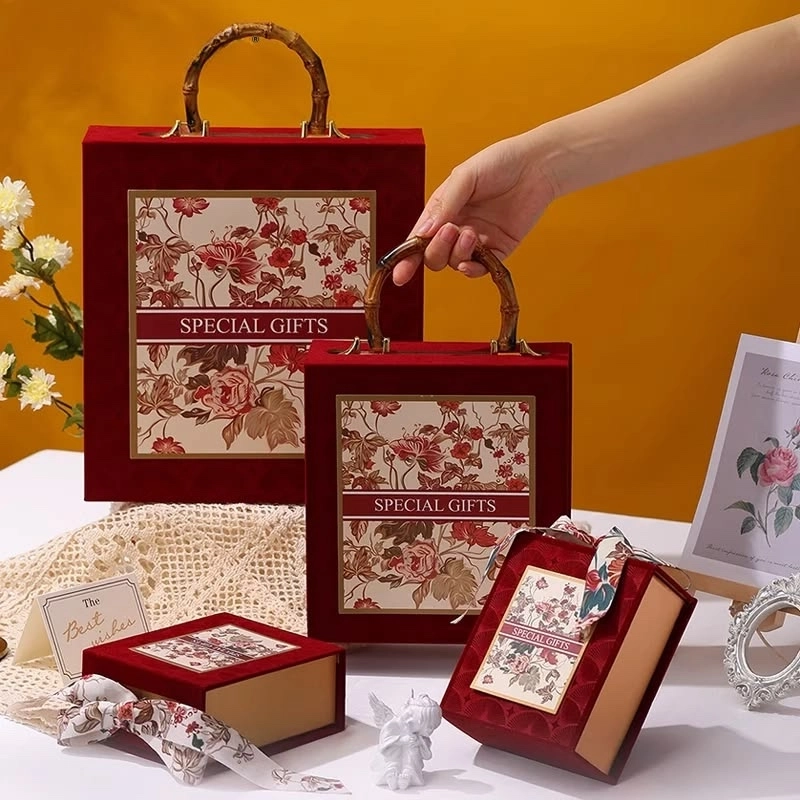
OEM Services
Can you help with packaging design if I don’t have one?
Yes! Our experienced design team can assist in creating packaging that aligns with your brand’s vision. We can develop concepts, offer material recommendations, and ensure compliance with industry standards.
About Printing Craftsmanship
What is screen printing used for?
Screen printing is ideal for printing on a variety of surfaces, including:
Fabric (t-shirts, tote bags)
Plastic (bottles, packaging)
Paper (posters, packaging)
Metal and glass (signs, promotional products)
What is the difference between offset and digital printing?
Offset Printing: Best for large-volume production, offering high-quality prints at a lower cost per unit.
Digital Printing: Suitable for short runs, allowing quick setup, customization, and fast printing.
Folding Boxes
Can you provide me with a die-cutting line template?
We will provide a die-cutting line template after you place an order for samples or products.
About Us
When I can get the quotation?
Generally we will quoted to you in 2 hours after you provide the details of the box( Size, material, craft, accessories and other details)

Start Your Packaging Journey Today
Discover Our Curated Collection of Bespoke Packaging Cases & Tailored System Solutions
© 2025 WINPACK PRINTING. All rights reserved

Wenhua Printing packaging
winpackprinting
Winpack Printing