




How to Design Packaging for a New Product
Although companies spend a lot of time designing and conceptualising products, packaging is often an afterthought in the product development process.
As your packaging represents your products, it is a good idea to incorporate packaging considerations into the product development process.
Packaging is significant in:
- the customer experience
- creating brand narrative
- creating brand credibility
- Raises brand awareness and reach.
It will be the first thing your customers see, so make it count!
So, make it count!
Although the production process is not complicated, making the right decisions in your packaging design is the secret to creating effective and impressive packaging.
The following are five considerations for designing the packaging of a new product:
Identify a packaging strategy
As well as being aesthetically appealing, packaging is a way of advertising your new products.
The cost and materials of your packaging can make a crucial difference to your business. Every customer interaction affects your bottom line.
Your packaging considerations will have a significant impact on how your new products perform in the market.
This is why a packaging strategy can help you design your product packaging.
Ask yourself the following questions:
- What story would you like to tell? A good brand story adds value to your brand, providing consumers with a more interesting narrative and helping you to establish real relationships.
- What makes your product stand out from those of your competitors? Ideally, you want something that will make customers choose you over the competition, but what is it about your product that will make that happen?
- What is the 'wow factor' and what is your product's purpose in the market? This relates to the differentiation question because it is about understanding what makes a person like your product, which will inform the packaging design.
- Where will your customers be exposed to your products? The packaging design will need to differ depending on whether the products are sold online or in-store.
- What feelings do you want your customers to experience? As the focus on the packaging experience increases, it is crucial to design packaging that customers will be eager to purchase and open!
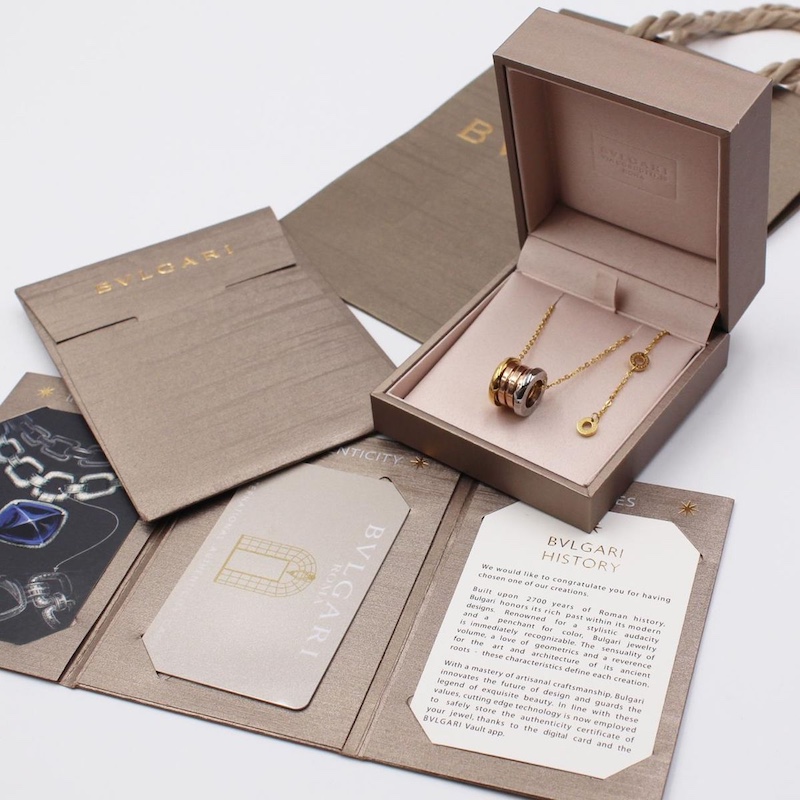
This will provide a rough plan of how you will package your products, helping you to direct your design process more effectively.
Remember that brand loyalty does not necessarily mean product satisfaction. A study by Brain and Company showed that 60–80 per cent of customers never return to a business despite being satisfied with the product or service.
This has a lot to do with the 'wow factor' of your product and its packaging.
Think about it: without an eye-catching package, how would you remember that shampoo you tried at a friend's house two years ago that you really liked? Or that toothpaste sample you received at the dentist's a few months ago?
Choose the right packaging
The packaging you use may affect the appearance, texture and taste of your product. Your choices may be restricted by the type of product you are creating, or you can let your imagination run wild.
Another consideration for your packaging is the materials used. Your product may require various layers of packaging, such as outer, inner and product packaging.
All of these layers are important for designing and assembling a uniform customer experience.
The outer layer
The outer layer is what keeps your products safe and sound, so there is a lot to consider here! The outer layer provides security, whether the product is being delivered or is in a bag in-store. Ideally, you will want materials that can withstand rough conditions while also being in line with your branding.
The inner layer
The inner layer comprises additional components used to wrap around the outer package and ensure the product's safety. They normally prevent the product from moving around too much, and examples include packing peanuts or tissue paper, depending on the nature of the product. Alternatively, it may be a coating to keep food fresh. The exact form this takes depends on the product, but the point is that it is another safety measure to ensure that your product arrives intact and in the same condition.
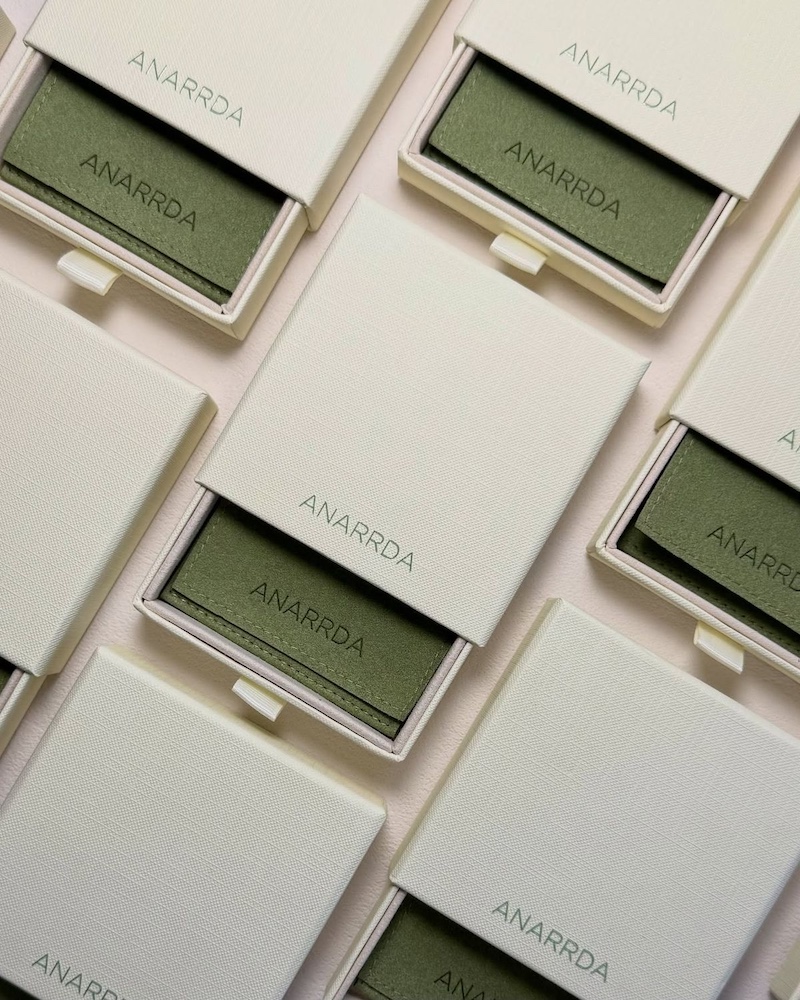
Product packaging
Ah, the most familiar one! Product packaging is the package that contains the product itself (and is covered by all the other layers). This could be a box, a wrapper or a bottle — anything that holds the product inside.
Read more here to understand the process in more detail.
Different types of packaging material have different functions.
For example, if you have a liquid or food product, your packaging options are limited. You cannot use just any box; you will need food-grade packaging solutions with a special coating and seal to keep your product safe, sanitary and fresh.
Food paper wrapping is also related to food packaging, particularly in the restaurant industry.
As well as the packaging itself, the quality of your product is communicated by the material you use.
The type of packaging you choose depends on your product.
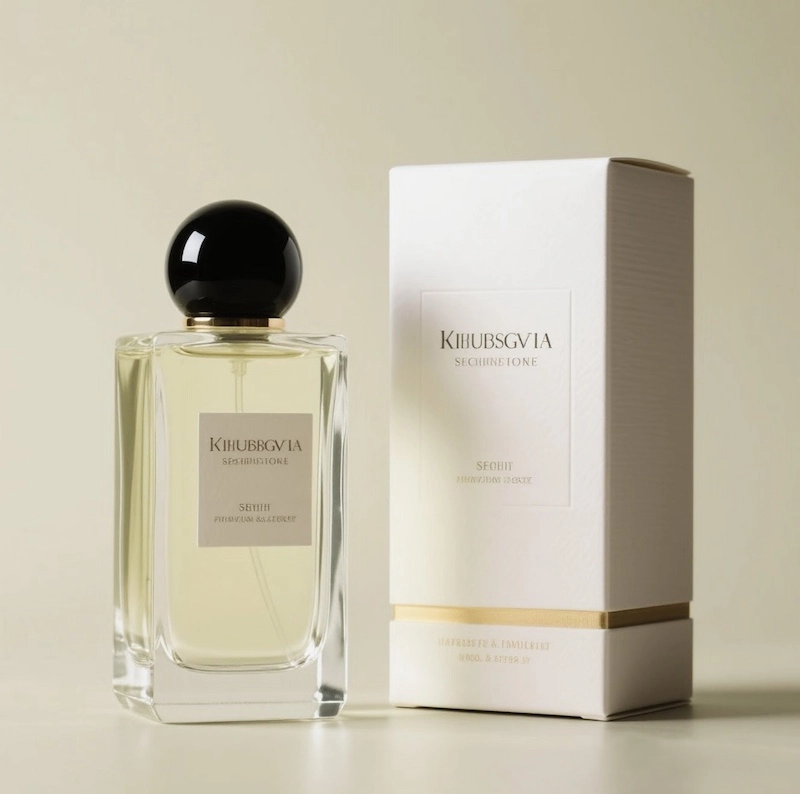
- Folding carton is available with a high-end feel and a variety of printing and finishing options. However, it is less protective. This material is usually used for cosmetics, pharmaceuticals, apparel and most other mainstream products.
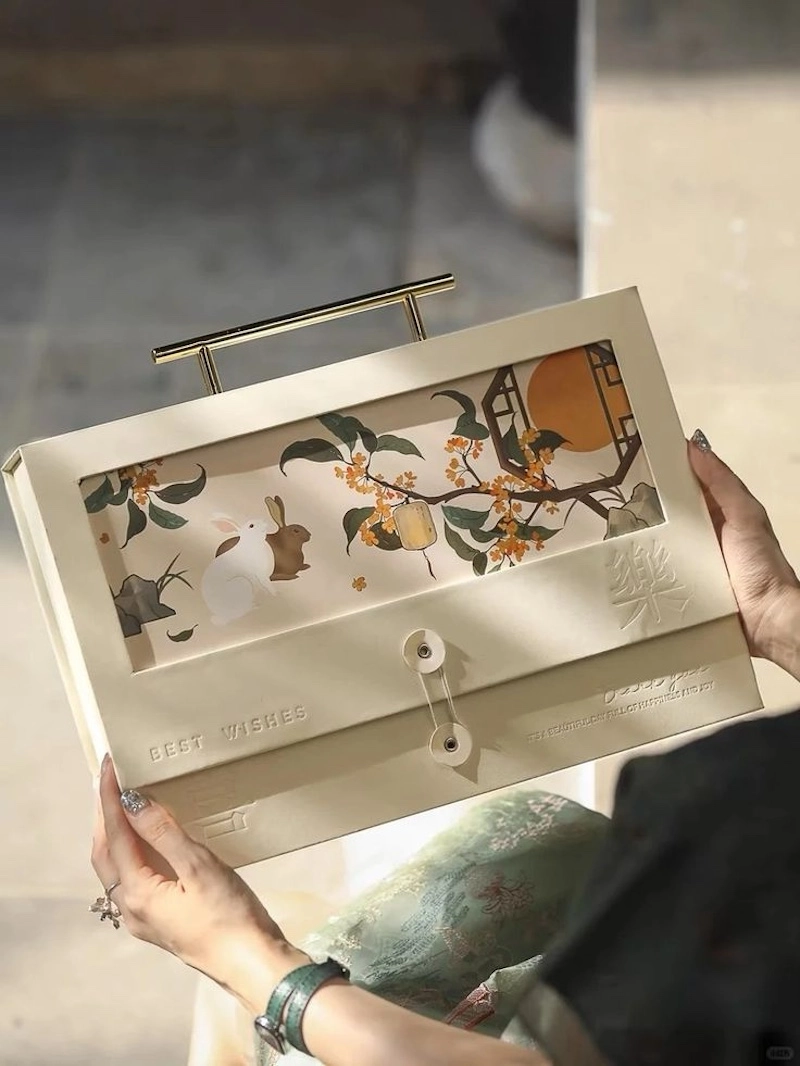
- Rigid packaging gives your products a high-end, luxurious touch. However, it can be fragile and expensive. This material is usually used for jewellery, cosmetics, high-end liquor and most luxury products.
- Corrugated packaging provides high-quality protection for your heavier and more delicate goods. This material is normally used for shipping and protection by the e-commerce retail industry.
The materials you choose for your packaging will make a big difference to how you attract customers.
Structural design: Exploration
While you should care about the aesthetic of your packaging, functionality is another important element of its design.
Consider how you can design effective and efficient packaging without compromising the customer experience. Structural engineering: packaging structural engineering guarantees that your packaging is safe and convenient for your customers.
When manufacturing, distributing and selling your product, you must take into consideration the costs involved for both the product and the packaging.
Your product must be profitable, so selecting packaging that is not cost-effective will harm your profits.
Using materials such as folding carton and corrugated cardboard can also help you to save on materials.
Smart construction will help you consider various factors when designing your package and determine what is best for your brand.
Whether your products are being shipped to retailers or directly to customers, proper packaging will ensure they reach your customers intact. It can even enhance freight utilisation, reducing freight space and improving your bottom line — always useful!
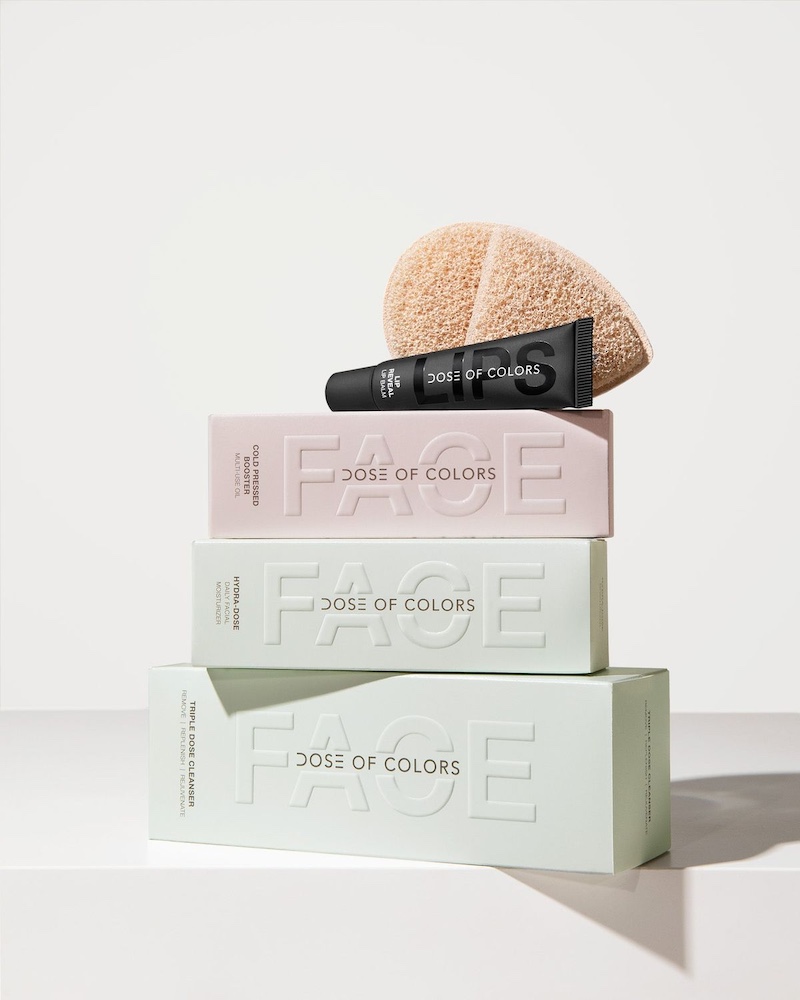
Corrugated cardboard box packaging, for example, is recycled, protective and highly versatile in terms of design and printing.
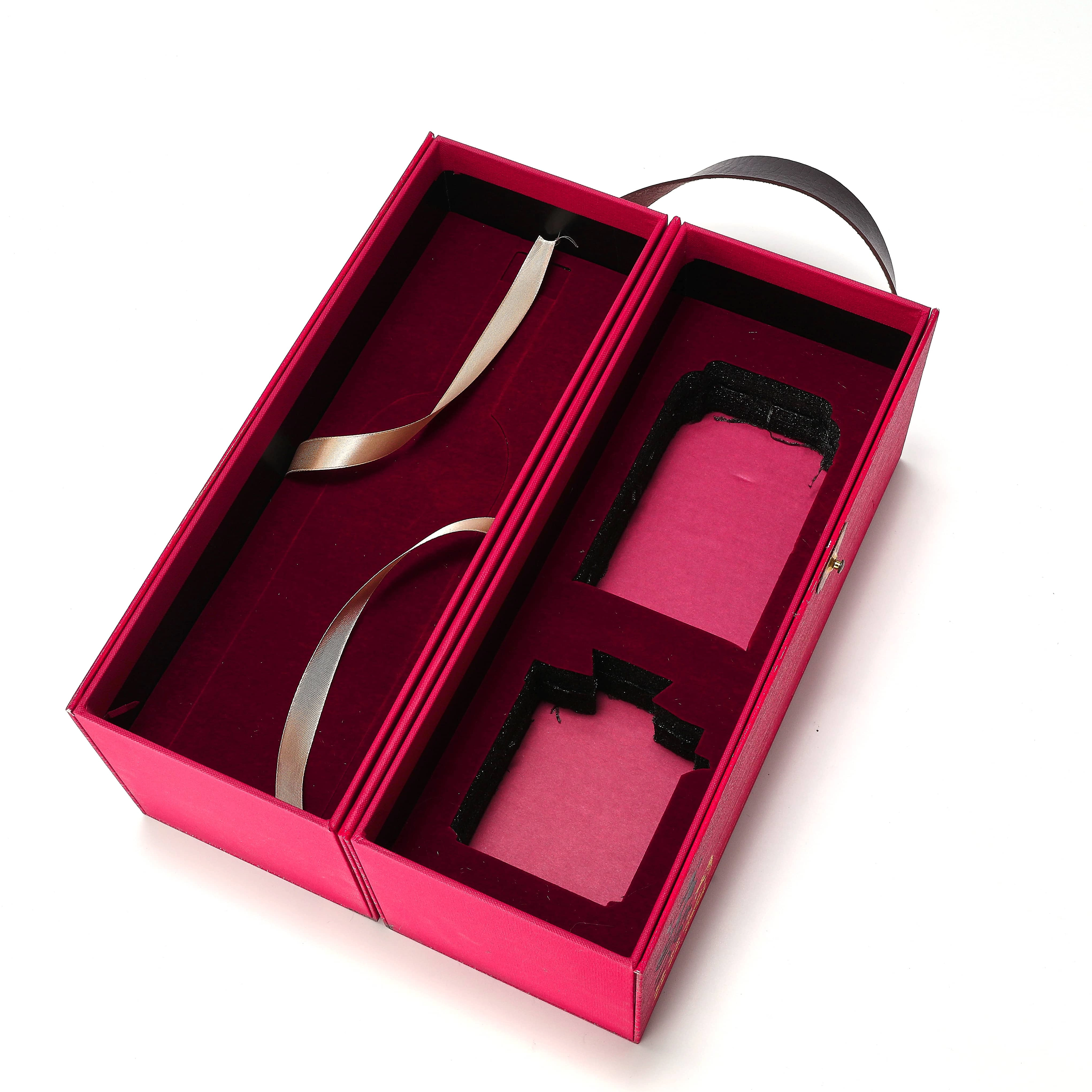
You may also wish to consider adding inserts to your packaging.
These are more protective and also give your products a high-end, customised feel.
- Foam inserts provide firm, luxurious cushioning for your more delicate products. These inserts are used to pack electronics, glass and other fragile items, as well as items with multiple components.
- Cardboard inserts offer a flexible and affordable way to protect your products. They are usually applied to a wide range of non-delicate items.
- Plastic tray inserts offer a lightweight, economical way to package a wide range of products. These are usually used for items such as biscuits and cosmetics.
- Moulded pulp inserts provide a more sustainable means of protecting products. These are generally used for electronics, tools, cosmetics and many other products.
Develop artwork design
As mentioned earlier, your packaging is the voice of your product.
Make an impression on your target customers by combining structural engineering with artistic graphic design.
During the design process, you can tell your brand's story through stunning artwork that reflects your values and mission. This will create a positive impression and help customers to align with your brand's message.
The graphics and copy will all contribute to the right packaging artwork design, helping to convey the necessary product and brand information to your customers.
Differentiating yourself from competitors will encourage customers to buy your products, whether by providing information or highlighting the main advantages to help them make a purchasing decision.
Well-designed packaging artwork contributes to a wonderful unboxing experience.
Customisation serves not only your brand and product, but also your customers.
For example, high-quality artwork gives customers the impression that the product is luxurious, so they have higher expectations when opening the package.
Personalised packaging gives your customers a real connection with your brand. Stickers and labels are one way to talk to your customers directly.
Show your appreciation for their purchase by giving them name stickers with personal names and much more besides.
Using stickers and labels on your packaging can enhance the customer experience as well as contribute to your package design.
Experiment through sampling and prototyping
Designing and developing the correct packaging for your product is time-consuming and requires patience.
Effective packaging design is often an iterative process involving testing of materials, structure and artwork before mass production.
Before launching your product, it is important to create physical samples and prototypes to determine how effectively your vision for the packaging can be realised.
You should also test how your product fits in the packaging.
Test this with your samples and prototypes to ensure that your product fits snugly and comfortably in your package. This will enhance your customers' experience, as well as your brand's credibility and professionalism.
Furthermore, happy products mean happy customers.
Go to your target market and ask for feedback and insight. Ultimately, your customers determine the success of your product, so ensure that your packaging appeals to them as well as to your product and brand.
Remember that design mistakes can happen when dealing with complicated packaging.
Make sure you double-check the colour selection, structural engineering and designs, so that when your product is in your customer's hands, it is just as you imagined.
Make it memorable and easy to use.
The design and strategy of a new product's packaging is also an important consideration if you want to sell more.
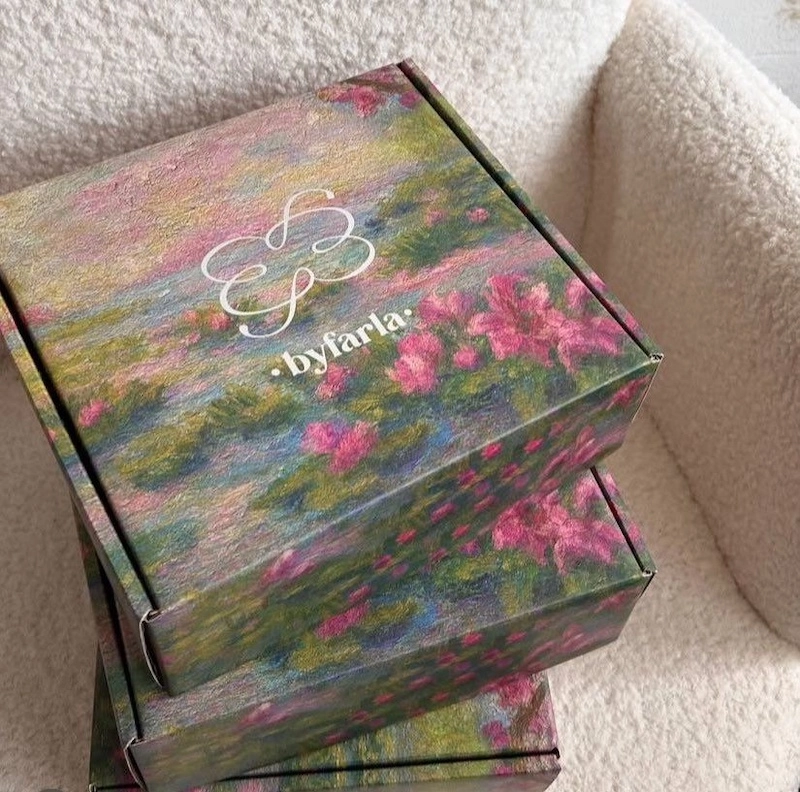
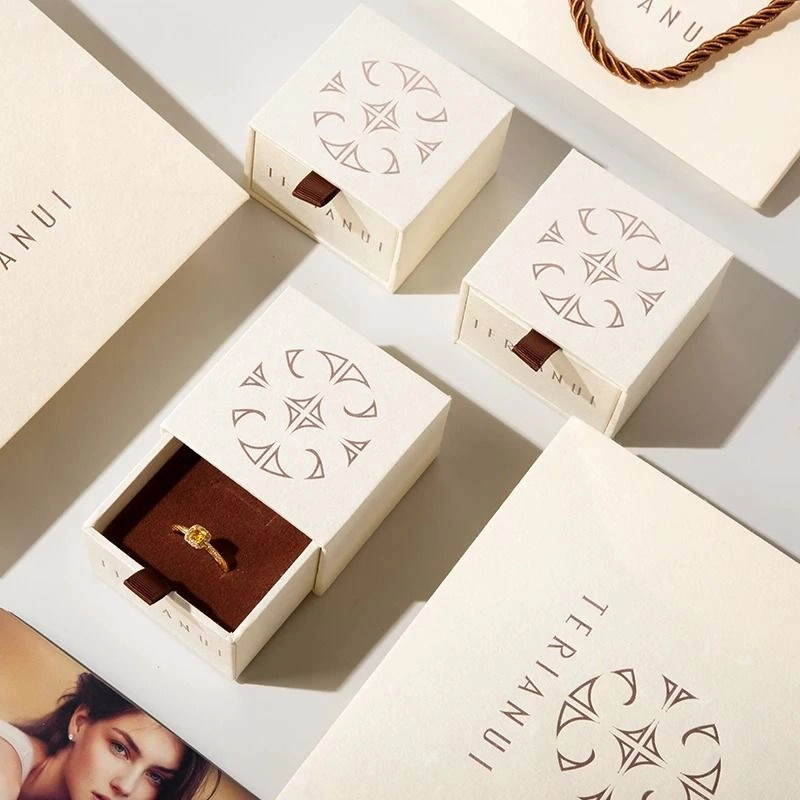
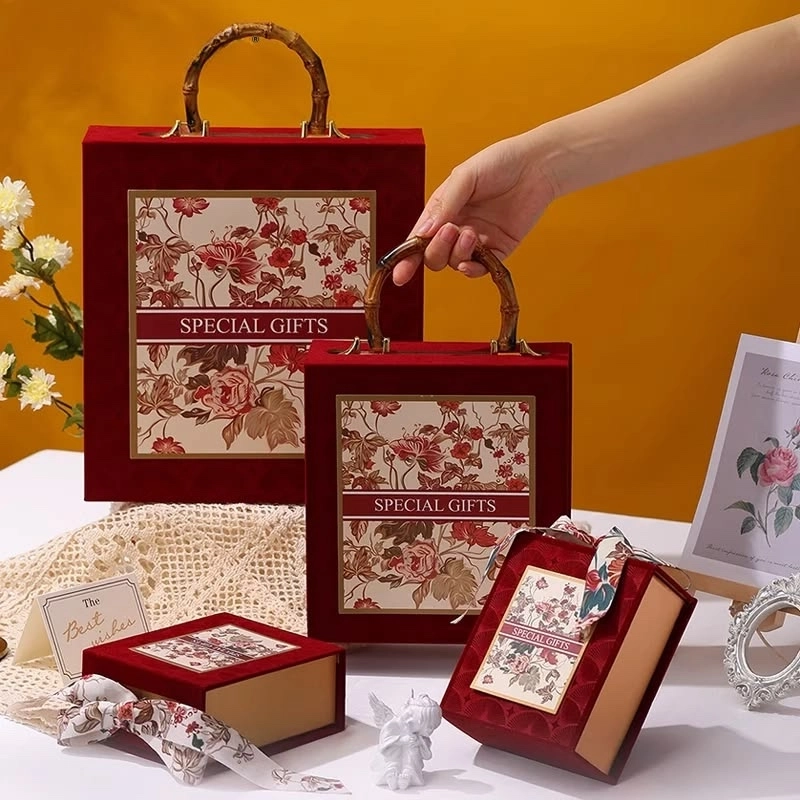
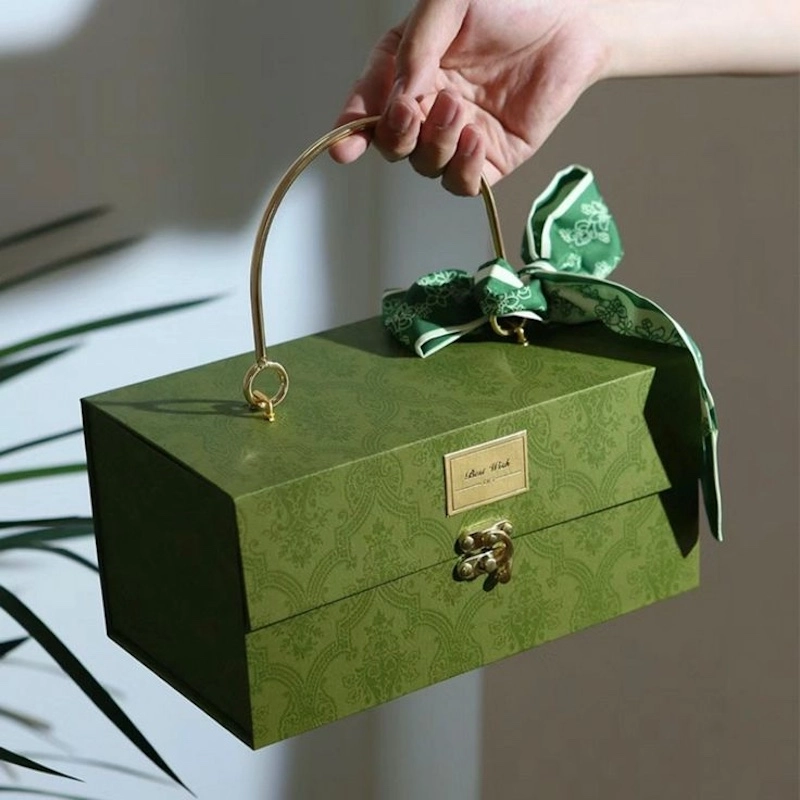
OEM Services
How do I get a quote for my OEM order?
To receive a custom quote, simply contact us with your packaging requirements, including:
Product type and dimensions
Material preferences
Design specifications
Order quantity
Any special requests
Our team will assess your needs and provide a competitive quote tailored to your project.
About Printing Craftsmanship
How do I ensure high-quality printing results?
Use high-resolution images and vector files.
Choose the appropriate paper or substrate.
Work with a professional printing service.
Consider color matching systems like Pantone for consistent results.
Request print samples before full production.
What factors should I consider when choosing a printing technique?
Material: Some methods work better on specific surfaces (e.g., screen printing for fabric, offset for paper).
Budget: Offset is cost-effective for large runs, while digital printing is better for short runs.
Aesthetic & Finish: If you need metallic effects, choose hot stamping; for texture, consider embossing.
Durability: UV printing and screen printing offer long-lasting prints resistant to fading.
Rigid Magetic Boxes
How long does it usually take from design confirmation to delivery?
The lead time is usually 15-25 days, depending on the production of the order
What are the wholesale pricing options for bulk orders?
We offer competitive wholesale prices for bulk orders. Please contact our sales team for more details

Start Your Packaging Journey Today
Discover Our Curated Collection of Bespoke Packaging Cases & Tailored System Solutions
© 2025 WINPACK PRINTING. All rights reserved

Wenhua Printing packaging
winpackprinting
Winpack Printing