




13 Environmentally Friendly Packaging Materials You Should Know
The issue of packaging waste in the retail industry is nothing new.
Plastic and moulded foam end up in landfills where they remain for decades. The transition to online shopping due to the pandemic has boosted the e-commerce sector, making it easier to order not only groceries, but also furniture. However, this convenience also places a greater burden on businesses to become environmentally friendly. The environmental effects of plastic packaging, especially its role in landfill waste growth, highlight the urgent need for businesses to become environmentally friendly. In order to fulfil their sustainability obligations, brands must evaluate the life cycle of sustainable packaging materials.
This detailed guide covers various environmentally friendly packaging materials, their advantages, and their applications, to help businesses and consumers make wiser decisions for a greener future.
- Recyclable Packaging
- 1. Kraft paper
- 2. Moulded pulp
- Compostable packaging
- 3. Bioplastics
- 4. Mushroom Packaging
- 5. Cornstarch packaging
- Reusable Packaging
- 6. Reusable shopping bags
- 7. Tin boxes
- 8. Magnetic rigid boxes/collapsible.
- Biodegradable packaging
- 9. Bagasse
- 10. Water-soluble plastic
- 11. Cassava root
- Sustainable printing
- 12. Sustainable coating
- 13. sustainable inks
- conclusion
Recyclable Packaging
Recyclable packaging is the most widespread form of sustainable packaging in the retail industry. Kraft paper and moulded pulp are two common types of recyclable packaging material.
1. Kraft paper
Kraft paper is made from wood pulp and is renowned for its durability and versatility. According to the American Forest and Paper Association, approximately 68 percent of all paper products in the United States are recycled. As kraft is a raw material, it can be soaked, chopped, cooked, strained, cleaned, bleached and reformed to create new paper packaging, thus returning the material to its original state.
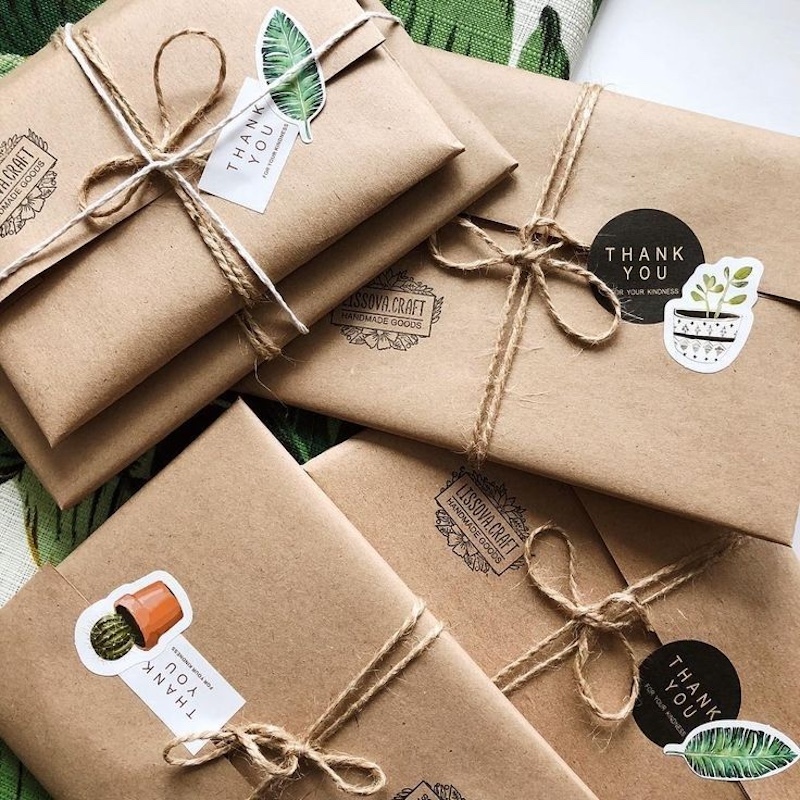
Although kraft does become less durable with each recycling cycle, the advantage of recyclable materials is that most, if not all, are biodegradable. This means that, once it has reached the end of its life cycle, it can simply be composted and returned to the cycle without harming the environment.
The natural brown colour of kraft paper gives it a rustic appearance, and it is commonly used for packaging goods thanks to its strength and aesthetic appeal. As well as being used for plain paper bags, kraft paper is also made into corrugated cardboard and folding cartons, which are used to make tough shipping boxes and mailers.
2. Moulded pulp
Moulded pulp is one of the most commonly used recycled raw materials, made from paper and cardboard. It is used to make protective packaging, including box inserts, egg cartons and beverage trays.
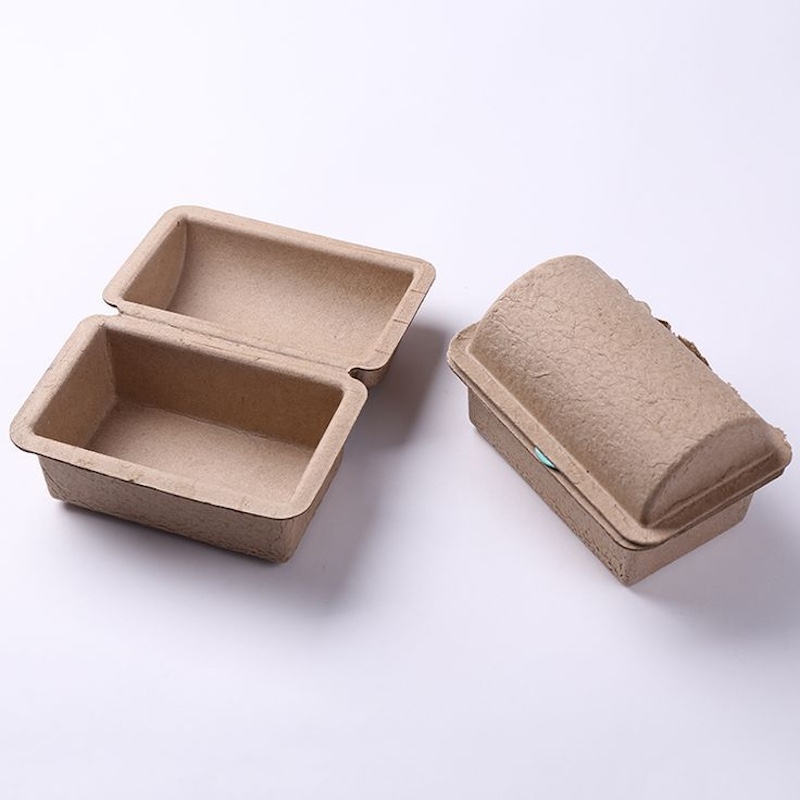
Molded pulp is praised for its shock-absorbing qualities and the fact that it can be recycled repeatedly, reducing the need for virgin materials. A study by the US Environmental Protection Agency (EPA) revealed that recycling one tonne of paper saves 17 trees, 380 gallons of oil and 7,000 gallons of water. Its flexibility enables it to be moulded into different shapes, providing bespoke packaging solutions. It is therefore an excellent substitute for plastic inserts.
Compostable packaging
Packaging materials made of compostable materials break down into organic matter without leaving any harmful residues. However, to be used effectively on a large scale, they require the support of composting and waste management infrastructure to complete the waste cycle. Bio plastics, mushroom packaging and corn starch packaging are examples of engineered compostable materials.
3. Bioplastics
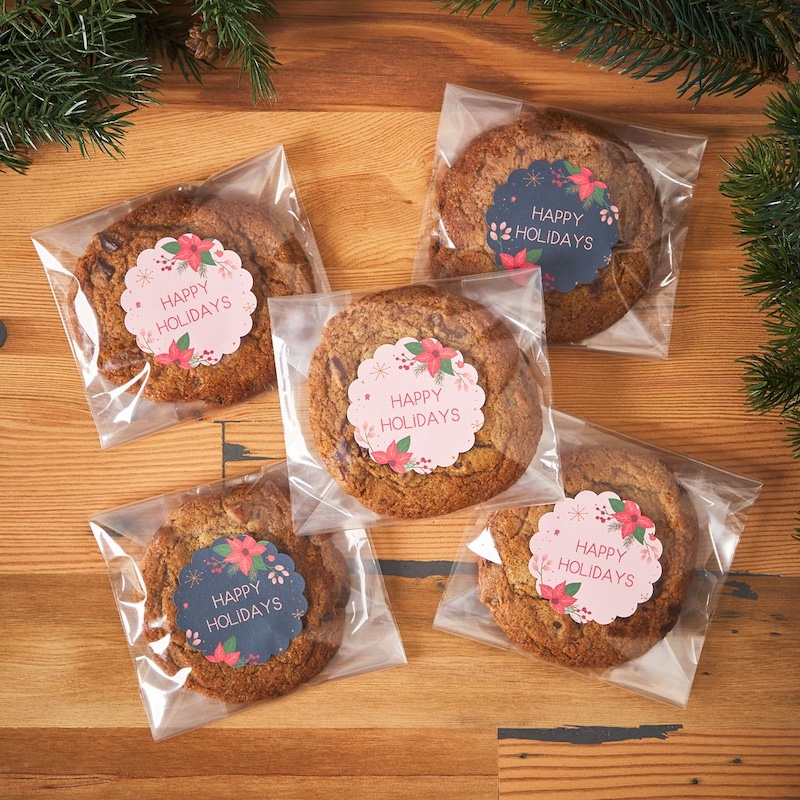
Bioplastics are made from renewable sources such as corn starch, sugarcane and potato starch. Unlike traditional plastics, bio plastics are capable of degrading in certain conditions, which helps to reduce pollution. One widely used bioplastic is polylactic acid (PLA), which is used for packaging. It is transparent, strong and recyclable, making it an excellent substitute for petroleum-based plastics. These qualities are making bioplastics increasingly popular, particularly in the food and restaurant sectors, where they provide the necessary durability and hygiene while readily degrading after use.
4. Mushroom Packaging
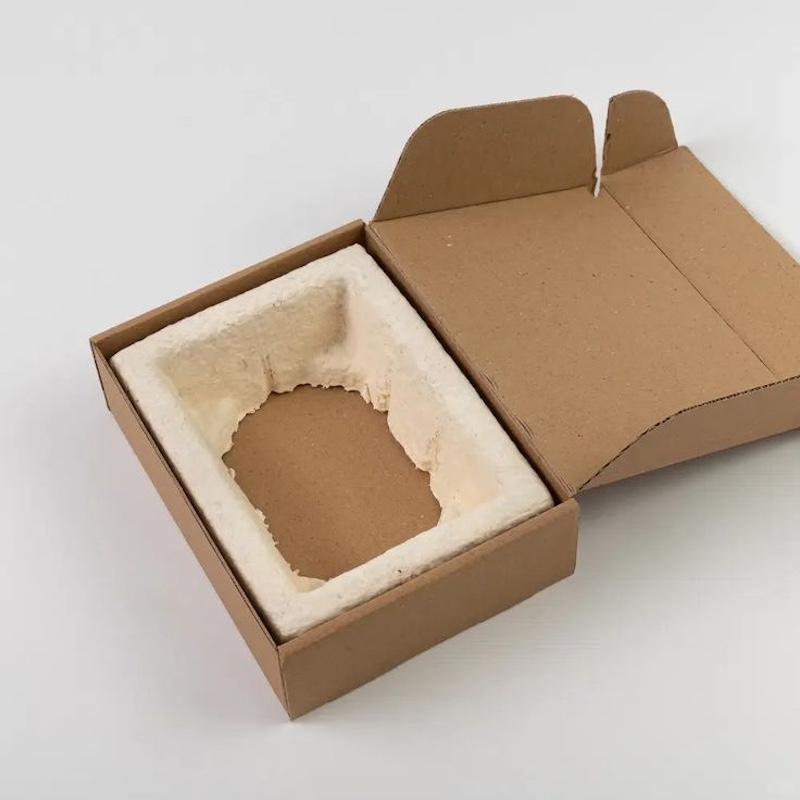
Mushroom Packaging is an innovative packaging material based on mycelium that is still in the early stages of development, but which shows great potential as a compostable packaging solution. Made from agricultural waste and mycelium (the root structure of mushrooms), it is produced using minimal energy and resources. It naturally decomposes in a compost heap, enriching the soil with nutrients. Mushroom packaging is sturdy yet lightweight, making it perfect for cushioning fragile items during shipping.
5. Cornstarch packaging
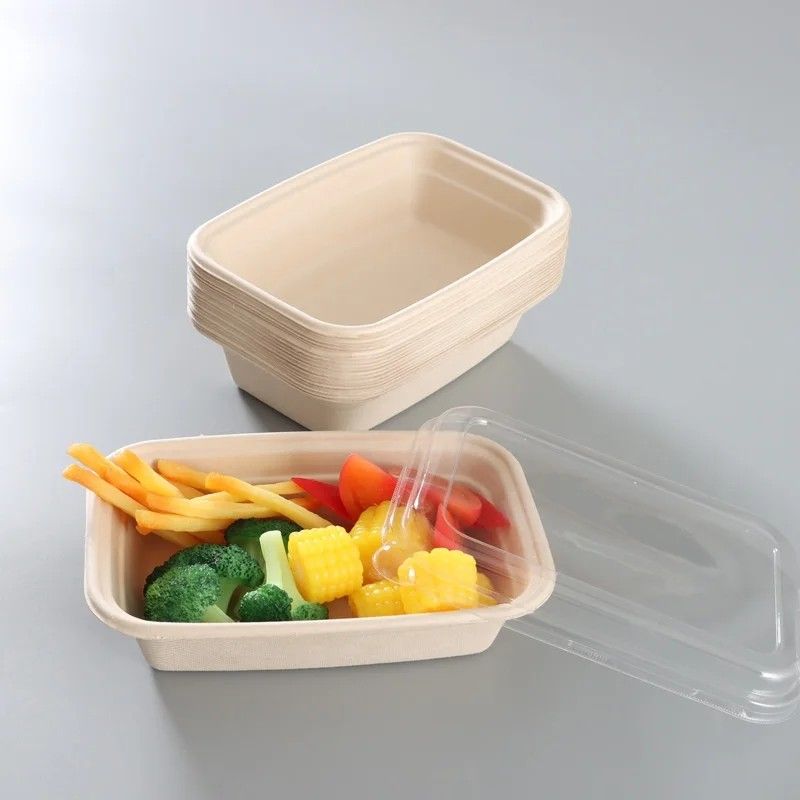
Cornstarch is produced using the starch from corn kernels. It is a renewable source and an alternative to polystyrene (Styrofoam) and plastic. It is also compostable. It can be moulded into various shapes, such as trays, lids, bags, plates, containers, and packing peanuts or pellets. Cornstarch packaging breaks down quickly in a composting environment and does not produce any toxic waste. Furthermore, cornstarch packaging can be marine degradable, i.e. it dissolves in water and can be consumed by marine organisms. Its uses are wide-ranging, including protective packaging and disposable cutlery and plates.
Reusable Packaging
Reusable packaging is designed to be durable and reusable, encouraging reuse and supporting the circular economy. As one of the most environmentally friendly solutions, it will help reduce the use of single-use materials, a significant source of waste worldwide. Examples of typical reusable packaging materials include shopping bags and rigid boxes that are collapsible or magnetic.
6. Reusable shopping bags
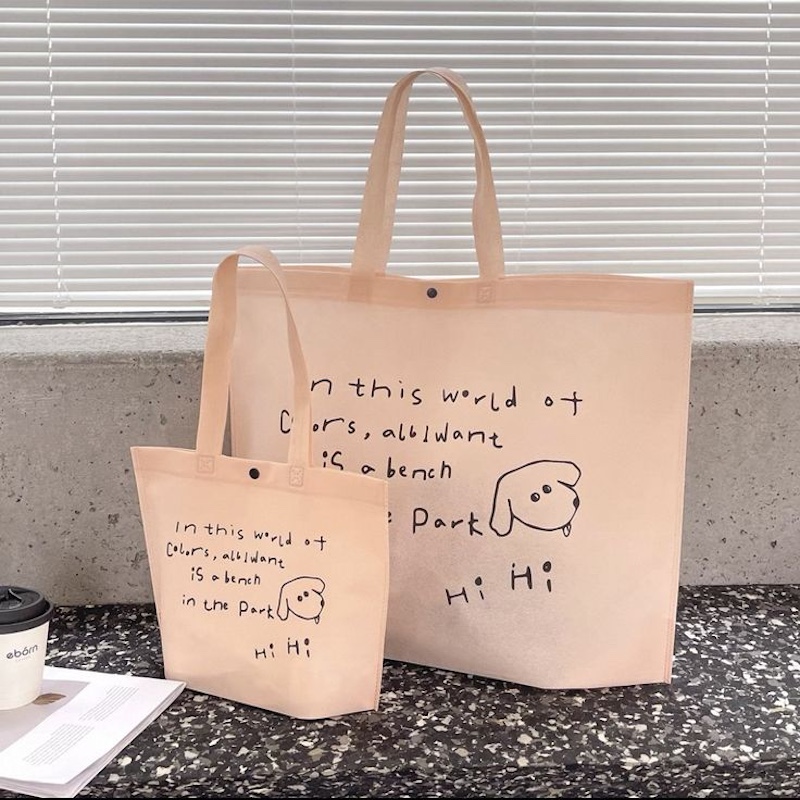
Reusable shopping bags can substitute plastic bags and are usually made of cotton, hemp or recycled materials. According to Waste Management research, one reusable bag can save more than 700 disposable plastic bags during its lifetime. They are long-lasting and can be washed and used in many ways. This greatly decreases plastic waste and enhances sustainability. These reusable bags are convenient and offer a branding opportunity for your business, providing a blank canvas for creative designs and logos.
7. Tin boxes
Tin boxes are strong and reusable. Usually made of tinplate, they are suitable for a wide range of products, including food and cosmetics. Tin can be recycled and reintroduced into the manufacturing process without any loss of quality. It is also easy to extract from waste streams due to its magnetic properties.
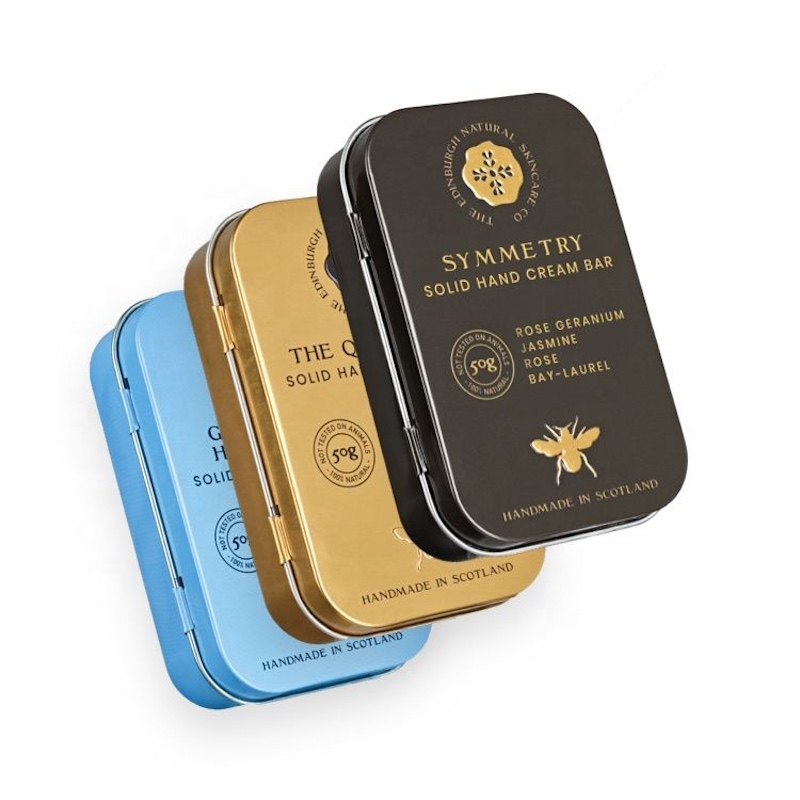
When it comes to luxury brands looking to improve their sustainability, it's worth remembering that most tin boxes can be fully recycled. Their packaging is eco-friendly as it is durable yet luxurious in appearance and feel.
8. Magnetic rigid boxes/collapsible.
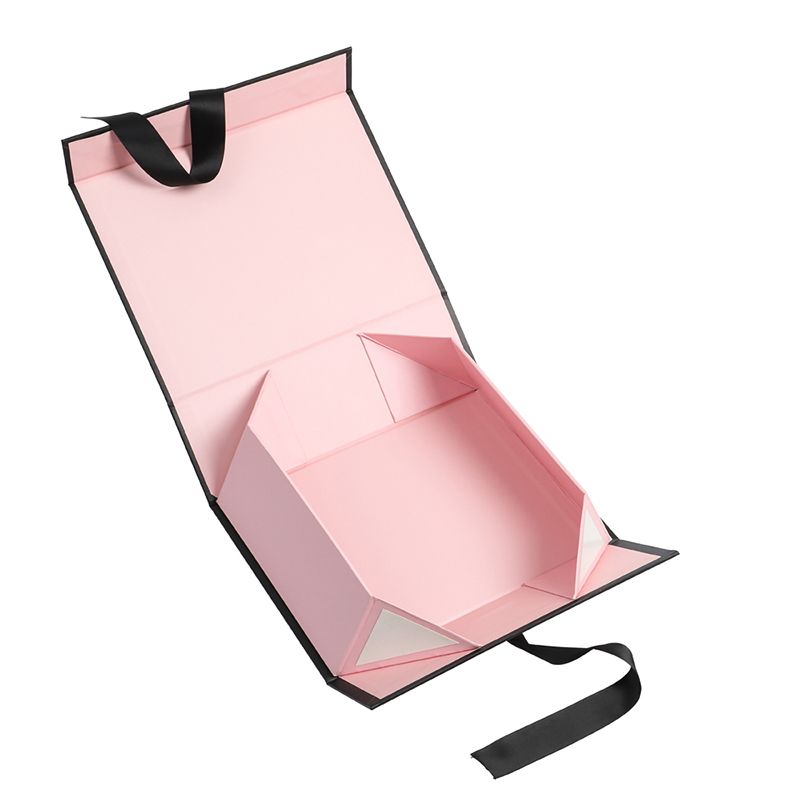
These boxes have a magnetic closure with two magnets that interlock to firmly close the box. They are durable, so consumers reuse them, providing a sustainable, high-quality packaging option for products. The magnetic closure provides a smooth unboxing experience, which encourages further reuse. Magnetic closure rigid boxes can also be folded up and shipped flat, thereby reducing shipping and handling costs and the carbon footprint.
Biodegradable packaging
Biodegradable packaging materials are a popular alternative to traditional packaging. These environmentally friendly materials are natural and can be dissolved in water, providing food for marine life as they break down naturally. Other biodegradable packaging materials include bagasse, water-soluble plastic and cassava root, as well as cornstarch.
9. Bagasse
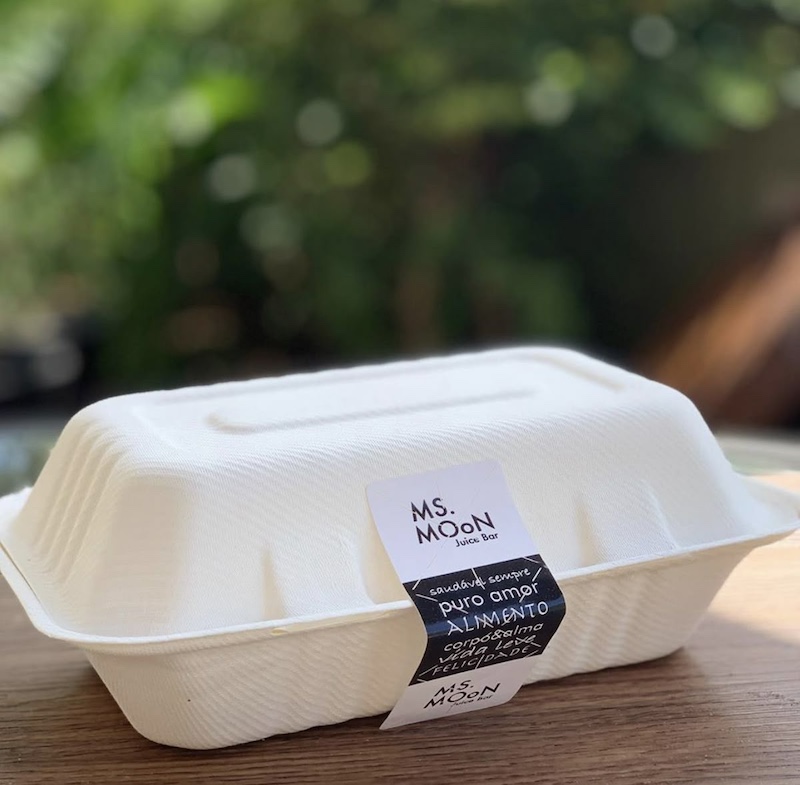
Bagasse is a fibrous by-product of sugarcane that is reused to produce environmentally friendly packaging materials. It is widely used in the production of disposable dishes, food boxes, and trays. Bagasse packaging is biodegradable and compostable, meaning it decomposes quickly in composting conditions. It is also sturdy and can replace plastic and polystyrene packaging.
10. Water-soluble plastic
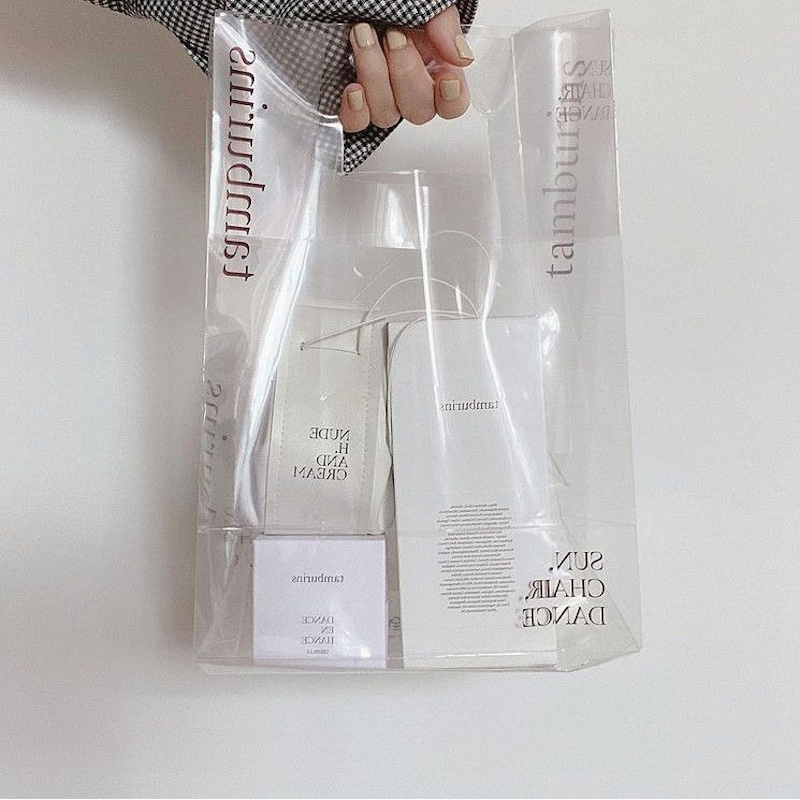
Water-soluble plastic is usually polyvinyl alcohol (PVA) and dissolves when in contact with boiling water. This new product is used for packaging items such as garment bags, laundry and medical supplies. It can be fully dissolved in water, which reduces plastic packaging waste and avoids pollution.
11. Cassava root
One plant-based material is cassava root, which is made using cassava plant starch. It is fully biodegradable and compostable, decomposing into non-toxic elements. It can be used to make products such as bags, films and food containers. The production process is also eco-friendly as cassava is a renewable resource that grows in large quantities in tropical zones.
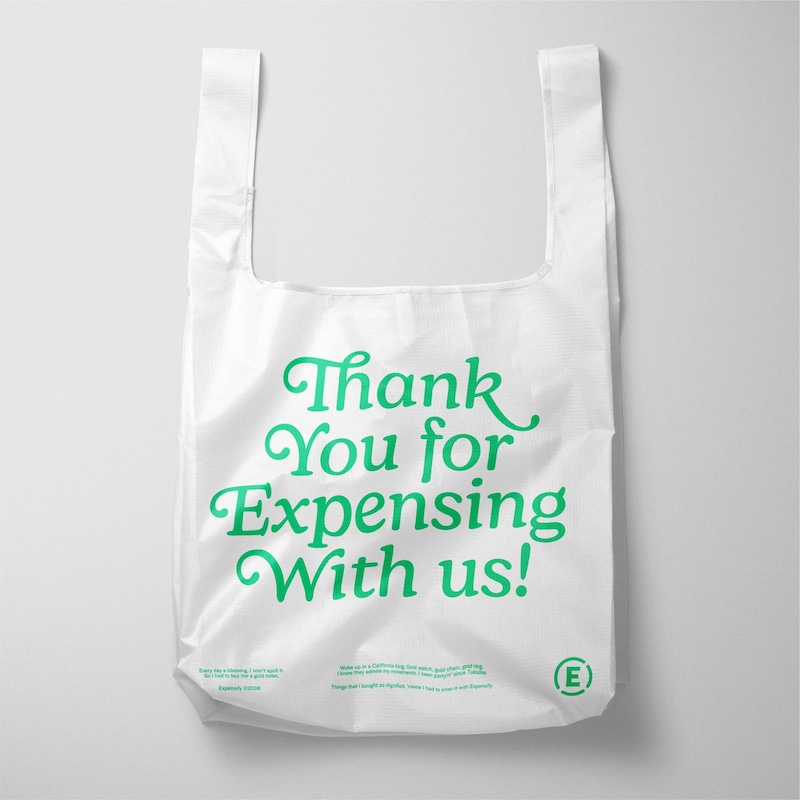
Sustainable printing
Using sustainable materials for packaging does not compromise quality. It involves using environmentally friendly inks and finishes so that the packaging can be fully recycled.
12. Sustainable coating
Sustainable coating involves the use of water-based primers, barrier coatings, varnishes and heat-sealing solutions to improve the durability and appearance of packaging without compromising its recyclability or compostability. These finishes provide a coating that renders the packaging waterproof and resistant to wear and tear. Unlike conventional coatings, sustainable coatings do not emit harmful chemicals into the environment.
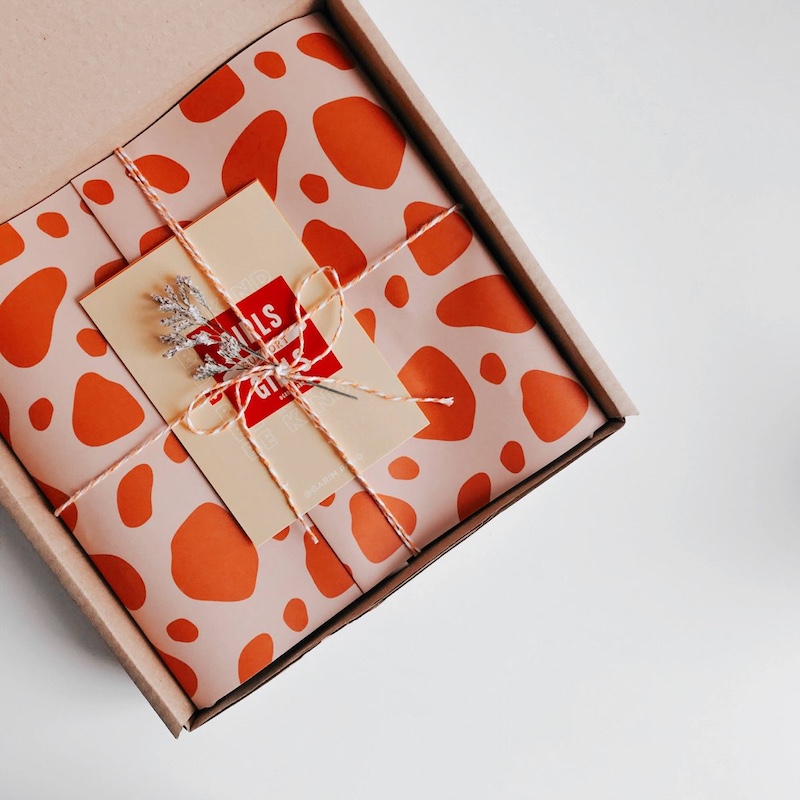
13. sustainable inks
Popular sustainable inks include soy ink, vegetable ink and water-based ink. These inks are environmentally friendly alternatives to conventional oil-based inks, which pollute the air and pose health risks. By using such sustainable inks, companies can continue to operate in an environmentally friendly way and ensure that packaging materials such as printed corrugated boxes and folding cartons are fully recyclable.
conclusion
In conclusion, the adoption of environmentally friendly packaging materials is an important step towards green packaging, not just a passing fad. Companies that embrace such materials contribute to environmental conservation and satisfy the increasing demand for sustainable packaging among responsible consumers. Using recyclable, compostable, reusable and biodegradable packaging materials, sustainable printing and recycling can help minimise your business's ecological footprint and encourage a greener future.
Considering using eco-friendly packaging materials? Find out more about the eco-friendly packaging solutions offered by PakFactory!

Special Shape Boxes
How long does it usually take from design confirmation to delivery?
The lead time is usually 15-25 days, depending on the production of the order
About Us
What are your lead times?
Production typically takes 12-16 days, and 16-21 days for larger volume orders. Shipping times will depend on the shipping channel you choose.
How soon we can get a sample?
Usually,reference sample within 2 days. Customized sample need 5-7days.
OEM Services
What is OEM packaging, and how can Winpack Printing help?
OEM (Original Equipment Manufacturer) packaging refers to custom-designed packaging solutions tailored to a brand’s specifications. At Winpack Printing, we provide end-to-end OEM services, including design, proofing, printing, and production, to help you create high-quality, market-ready packaging that aligns with your brand identity.
About Printing Craftsmanship
How does UV printing work?
UV printing uses ultraviolet light to cure ink instantly, resulting in vibrant colors, water resistance, and high durability. It is commonly used for packaging, signage, and promotional items.

Start Your Packaging Journey Today
Discover Our Curated Collection of Bespoke Packaging Cases & Tailored System Solutions
© 2025 WINPACK PRINTING. All rights reserved

Wenhua Printing packaging
winpackprinting
Winpack Printing