




Before Sampling: Why “Bleed” in Packaging Printing Is Often Overlooked (and Why It Matters)
In packaging printing, small technical details can have a major impact on the final result. One of the most commonly overlooked elements—especially before sampling—is the bleed area. While it may seem like a minor design extension beyond the cut line, improper bleed setup can lead to visible white edges, misaligned graphics, and costly reprints.
For brands developing custom packaging, understanding and correctly applying bleed is essential to ensure print accuracy, visual quality, and production efficiency. This article explains what bleed is, why it is often ignored, and how to get it right before sampling.
- What Is Bleed in Packaging Design?
- Why Bleed Is Often Overlooked
- 1. Focus on Visual Design Over Technical Setup
- 2. Misunderstanding of Printing Processes
- 3. Lack of Prepress Experience
- 4. Using Digital Mockups Only
- What Happens If Bleed Is Missing?
- How Bleed Affects Packaging Quality
- Bleed vs Trim vs Safe Area
- Best Practices Before Sampling
- 1. Set Bleed from the Start
- 2. Extend Backgrounds Properly
- 3. Keep Critical Elements Inside Safe Zone
- 4. Use Proper File Formats
- 5. Confirm with Your Packaging Supplier
- Why Bleed Is Even More Important for Complex Packaging
- Common Mistakes to Avoid
- Conclusion
What Is Bleed in Packaging Design?
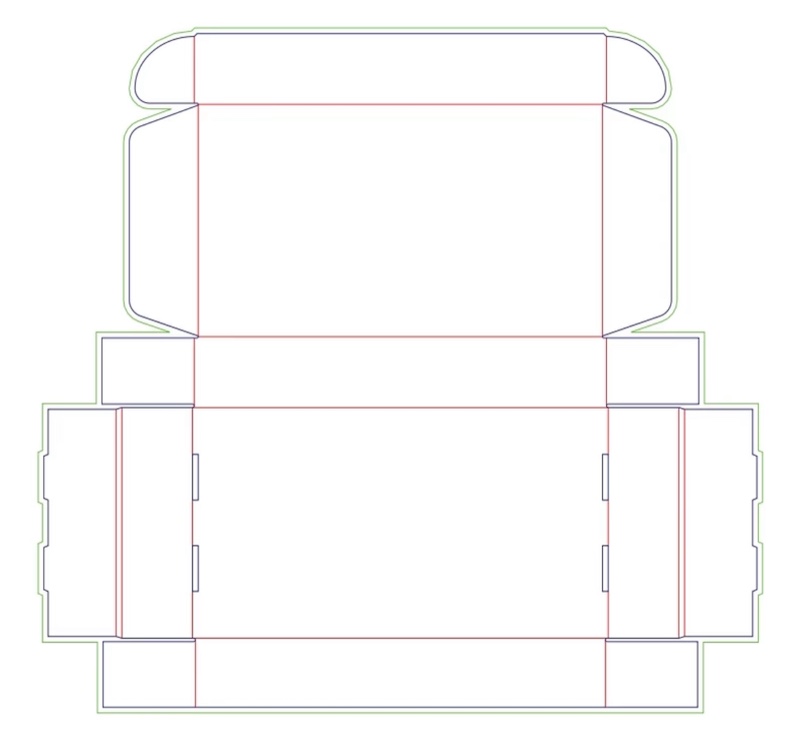
Bleed refers to the extra area of artwork that extends beyond the final trim (cut) size of the packaging. This extension ensures that when the printed sheet is cut, there are no unintended white borders along the edges.
Typically, bleed ranges from:
- 2–3 mm (0.08–0.12 inches) for most packaging designs
It acts as a safety margin to accommodate slight cutting tolerances during production.
Why Bleed Is Often Overlooked
1. Focus on Visual Design Over Technical Setup
Designers often prioritize aesthetics—colors, layout, branding—while neglecting technical specifications like bleed, trim lines, and safe zones.
2. Misunderstanding of Printing Processes
Many assume that printing and cutting are perfectly aligned. In reality, minor shifts during die-cutting are normal, making bleed essential.
3. Lack of Prepress Experience
Without experience in packaging production, it is easy to overlook prepress requirements such as bleed setup, especially for first-time projects.
4. Using Digital Mockups Only
Digital previews often look perfect, masking real-world production tolerances and giving a false sense of accuracy.
What Happens If Bleed Is Missing?
Ignoring bleed can lead to several visible and costly issues:
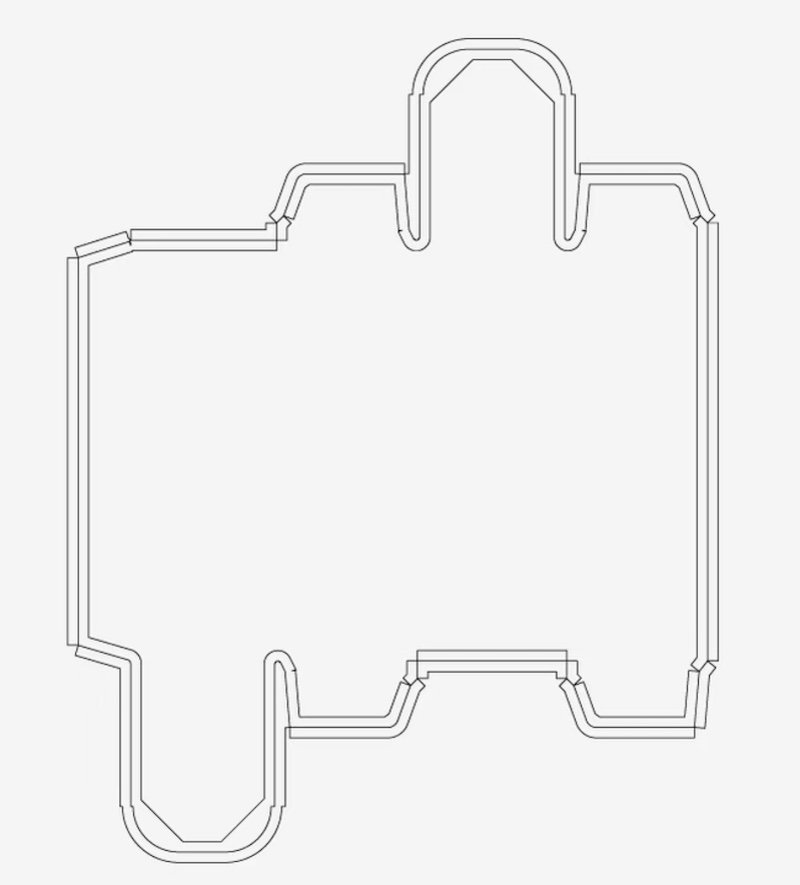
- White edges or gaps after cutting
- Misaligned graphics or borders
- Unprofessional appearance
- Rejected samples or production delays
In premium packaging, even a slight edge defect can significantly reduce perceived quality.
How Bleed Affects Packaging Quality
Bleed plays a critical role in ensuring:
Clean Edges
Extending background colors or images into the bleed area ensures seamless edges after trimming.
Consistent Visual Alignment
Bleed prevents design elements from appearing off-center due to slight cutting variations.
Professional Finish
High-end packaging demands precision, and proper bleed setup is a basic requirement for achieving it.
Bleed vs Trim vs Safe Area
Understanding these three zones is essential:
| Area | Function |
|---|---|
| Bleed | Extra design area beyond cut line |
| Trim Line | Final cutting boundary |
| Safe Area | Inner margin where important elements should stay |
Keeping logos and text within the safe area prevents accidental cutting.
Best Practices Before Sampling
To avoid costly mistakes, follow these guidelines before sending files for sampling:
1. Set Bleed from the Start
Always include bleed in your design file setup rather than adding it later.
2. Extend Backgrounds Properly
Ensure all background colors, images, and patterns extend fully into the bleed area.
3. Keep Critical Elements Inside Safe Zone
Maintain a margin (usually 3–5 mm) inside the trim line for text and logos.
4. Use Proper File Formats
Provide editable files (AI, PDF with bleed settings) to ensure accurate prepress processing.
5. Confirm with Your Packaging Supplier
Different manufacturers may have specific bleed requirements, so always verify specifications.
Why Bleed Is Even More Important for Complex Packaging
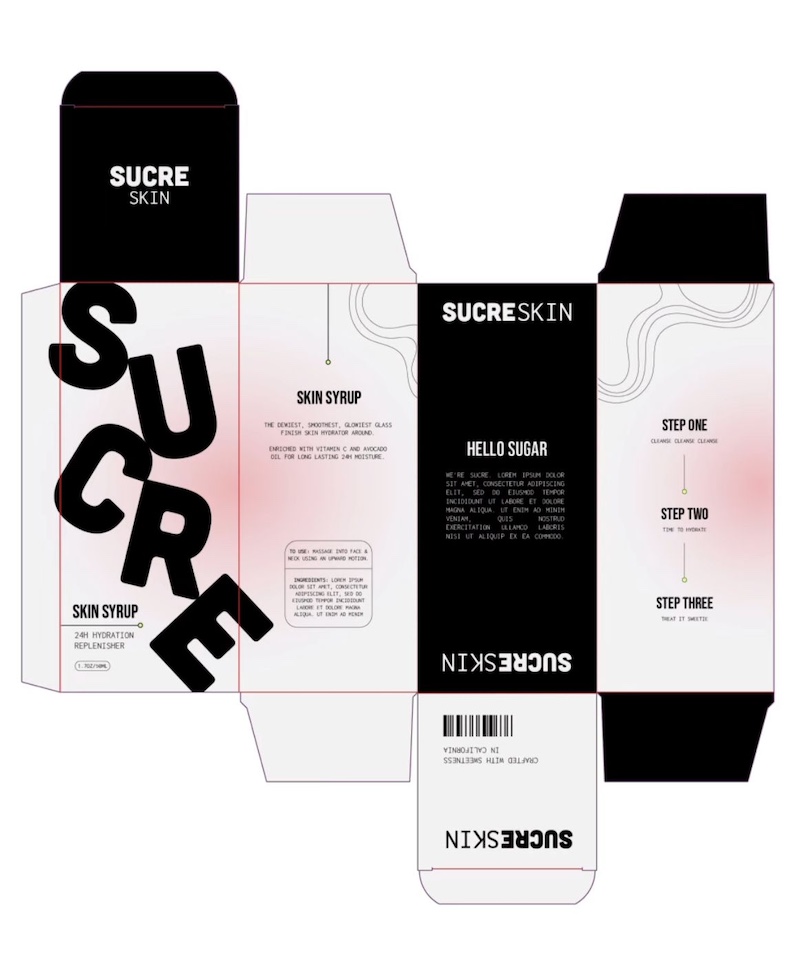
For advanced packaging structures such as:
- Die-cut shapes
- Window boxes
- Folded cartons with multiple panels
bleed becomes even more critical due to increased cutting complexity. Misalignment risks are higher, making proper setup essential.
Common Mistakes to Avoid
- Forgetting to add bleed entirely
- Adding insufficient bleed (less than required)
- Not extending images fully into bleedPlacing text too close to edges
- Ignoring dieline guidelines
Avoiding these mistakes ensures smoother sampling and production.
Conclusion
Bleed may seem like a small technical detail, but it plays a crucial role in achieving high-quality packaging results. Overlooking it can lead to visible defects, increased costs, and production delays.
For brands aiming to create professional and premium packaging, understanding and applying bleed correctly is a simple yet essential step. By addressing this detail before sampling, you can ensure that your packaging looks exactly as intended—clean, precise, and market-ready.

About Us
When I can get the quotation?
Generally we will quoted to you in 2 hours after you provide the details of the box( Size, material, craft, accessories and other details)
Special Shape Boxes
What are the wholesale pricing options for bulk orders?
We offer competitive wholesale prices for bulk orders. Please contact our sales team for more details
OEM Services
What is OEM packaging, and how can Winpack Printing help?
OEM (Original Equipment Manufacturer) packaging refers to custom-designed packaging solutions tailored to a brand’s specifications. At Winpack Printing, we provide end-to-end OEM services, including design, proofing, printing, and production, to help you create high-quality, market-ready packaging that aligns with your brand identity.
How long does the production process take?
Production time depends on order quantity, complexity, and customization. Generally, the process takes 7-20 days after design confirmation and sample approval. We strive for fast turnaround times while maintaining high-quality standards.
Rigid Drawer Box
How long does it usually take from design confirmation to delivery?
The lead time is usually 15-25 days, depending on the production of the order


Start Your Packaging Journey Today
Discover Our Curated Collection of Bespoke Packaging Cases & Tailored System Solutions
© 2025 WINPACK PRINTING. All rights reserved

Wenhua Printing packaging
winpackprinting
Winpack Printing