




The Importance of Packaging Structure Design: How to Cut Logistics Costs by 30% Through Smart Innovation
In today’s global supply chain, packaging is no longer just about protection and branding—it is a critical factor in logistics efficiency and cost control. For industries such as cosmetics, skincare, and consumer goods, shipping and storage expenses can account for a significant portion of total operational costs.
One of the most effective yet often overlooked ways to reduce these expenses is through packaging structure optimization. By redesigning box structures, materials, and dimensions, brands can achieve up to 30% savings in logistics costs without compromising product safety or presentation.
This article explores how structural innovation in packaging can drive efficiency, reduce waste, and improve overall supply chain performance.
- Why Packaging Structure Matters in Logistics
- Key Strategies to Reduce Logistics Costs
- 1. Right-Sizing Packaging
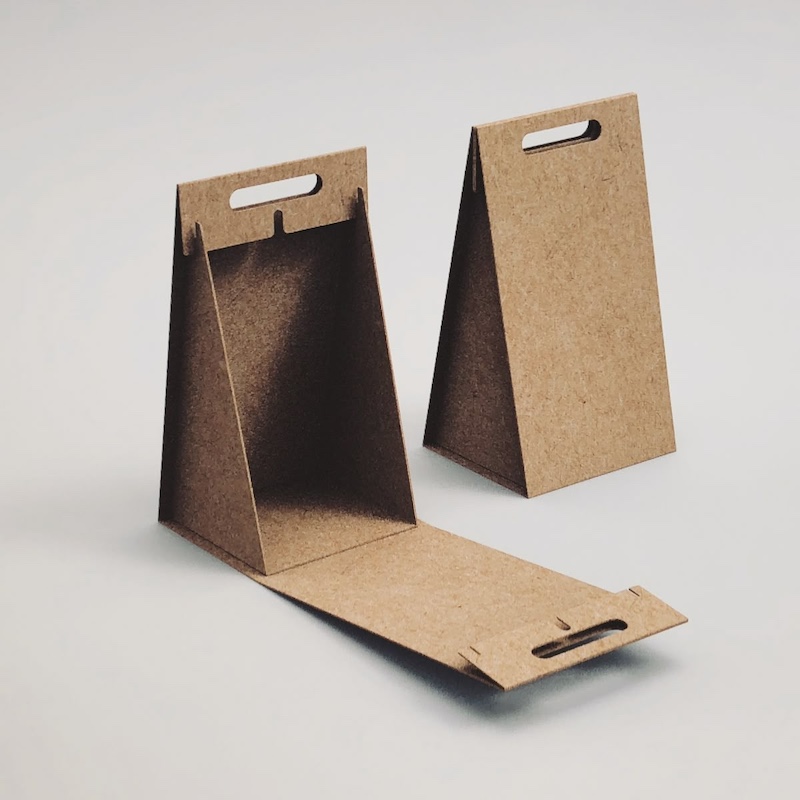
- 2. Flat-Pack and Collapsible Designs
- 3. Optimized Box Geometry
- 4. Lightweight Material Selection
- 5. Integrated Structural Design
- 6. Improved Product Protection
- Cost Impact: Where the Savings Come From
- Balancing Cost and Brand Experience
- Common Mistakes to Avoid
- The Role of Packaging Engineering
- Future Trends in Logistics-Driven Packaging
- Conclusion
Why Packaging Structure Matters in Logistics
Packaging structure directly affects:
- Shipping volume and weight
- Pallet utilization
- Warehouse storage efficiency
- Product protection during transit
Poorly designed packaging often leads to wasted space, higher shipping fees, and increased risk of damage.
In contrast, optimized structures ensure that every cubic inch is used effectively, reducing unnecessary costs.
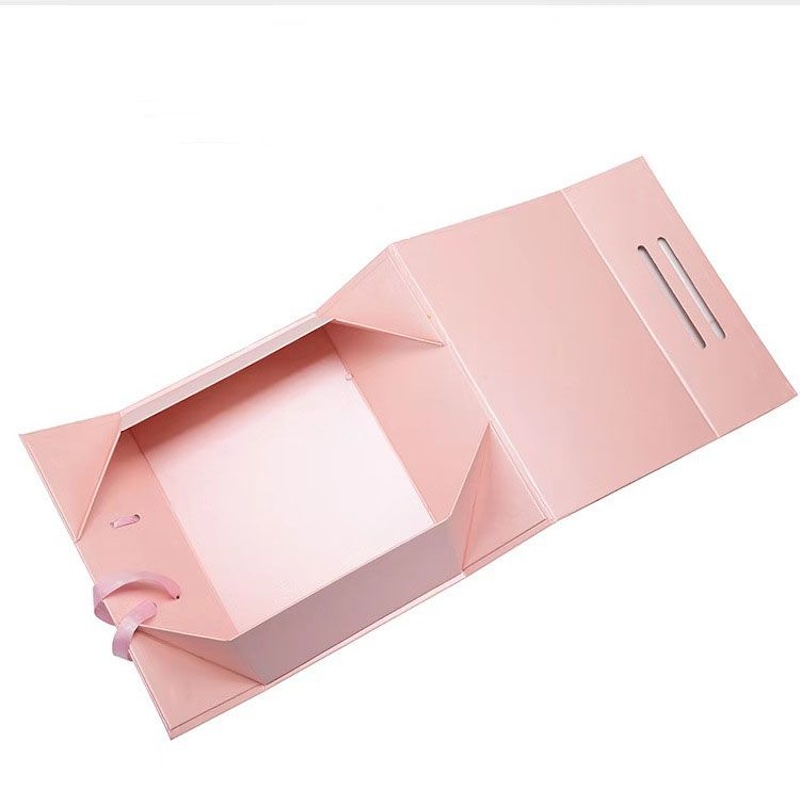
Key Strategies to Reduce Logistics Costs
1. Right-Sizing Packaging
Oversized boxes are one of the biggest contributors to logistics inefficiency.
- Design packaging that closely fits the product
- Eliminate empty space inside the box
- Reduce dimensional weight (DIM weight) charges
Even small size reductions can significantly lower shipping costs, especially in e-commerce.
2. Flat-Pack and Collapsible Designs
Switching from rigid, pre-assembled packaging to foldable or flat-pack designs can dramatically improve shipping efficiency.
- Reduce storage space before assembly
- Lower transportation volume
- Improve warehouse handling
Flat-pack solutions are particularly effective for large-scale distribution.
3. Optimized Box Geometry
Standardizing box dimensions to align with pallet sizes improves loading efficiency.
- Maximize pallet fill rate
- Reduce unused gaps during stacking
- Improve container utilization
Efficient geometry ensures more products are shipped per load.
4. Lightweight Material Selection
Reducing material weight without compromising strength is key.
- Use high-strength, lower-GSM paperboard
- Replace heavy inserts with paper-based alternatives
- Eliminate unnecessary layers
Lighter packaging reduces freight costs and carbon emissions.

5. Integrated Structural Design
Combining multiple functions into a single structure can eliminate extra components.
- Replace separate inserts with built-in supports
- Design locking mechanisms without additional materials
- Reduce assembly parts
This approach lowers both material and labor costs.
6. Improved Product Protection
Damaged goods lead to returns, replacements, and additional shipping costs.
- Design structures that absorb shock
- Ensure secure product positioning
- Test packaging under real shipping conditions
Better protection reduces hidden logistics expenses.
Cost Impact: Where the Savings Come From
Structural optimization reduces logistics costs in several areas:
| Cost Factor | Impact of Structural Optimization |
|---|---|
| Shipping Volume | Reduced through compact design |
| Freight Charges | Lower due to decreased weight and size |
| Storage Costs | Improved warehouse efficiency |
| Damage Rates | Reduced with better protection |
| Handling Efficiency | Faster packing and loading |
Combined, these improvements can lead to up to 30% total cost savings.
Balancing Cost and Brand Experience
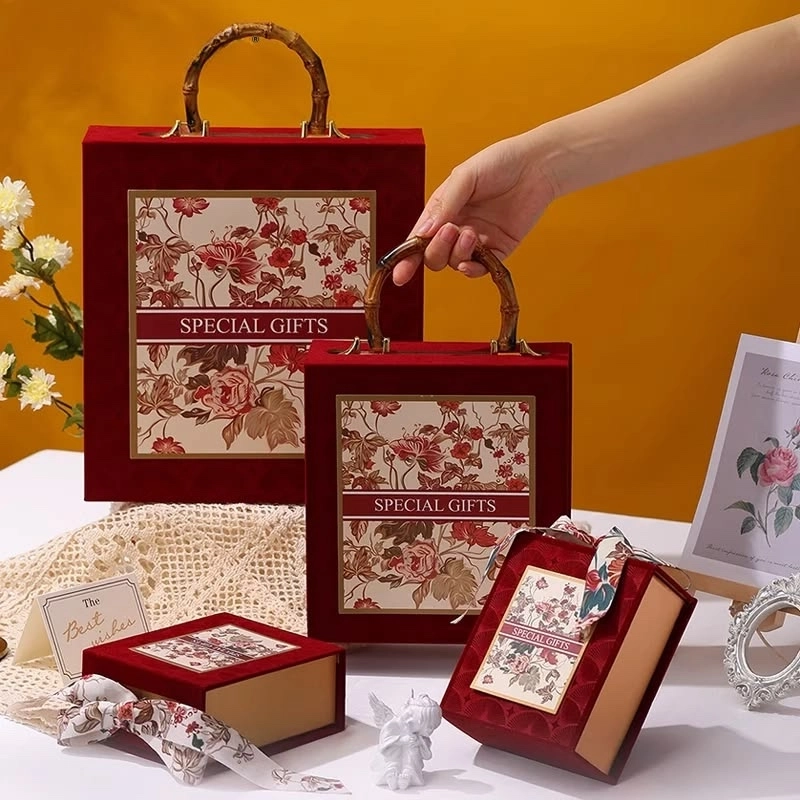
While reducing logistics costs is important, packaging must still support brand positioning.
- Maintain visual appeal and print quality
- Ensure unboxing experience remains positive
- Avoid over-simplification that reduces perceived value
The goal is to achieve efficiency without compromising brand image.
Common Mistakes to Avoid
- Using oversized packaging for “safety margins”
- Adding unnecessary inserts or layers
- Ignoring pallet and container dimensions
- Focusing only on material cost instead of total logistics cost
Avoiding these mistakes ensures that cost-saving strategies are effective.
The Role of Packaging Engineering
Professional packaging engineers play a key role in optimizing structure. They can:
- Analyze shipping and storage requirements
- Design efficient dielines and structures
- Recommend suitable materials
- Conduct performance testing
Their expertise helps brands achieve measurable cost reductions.
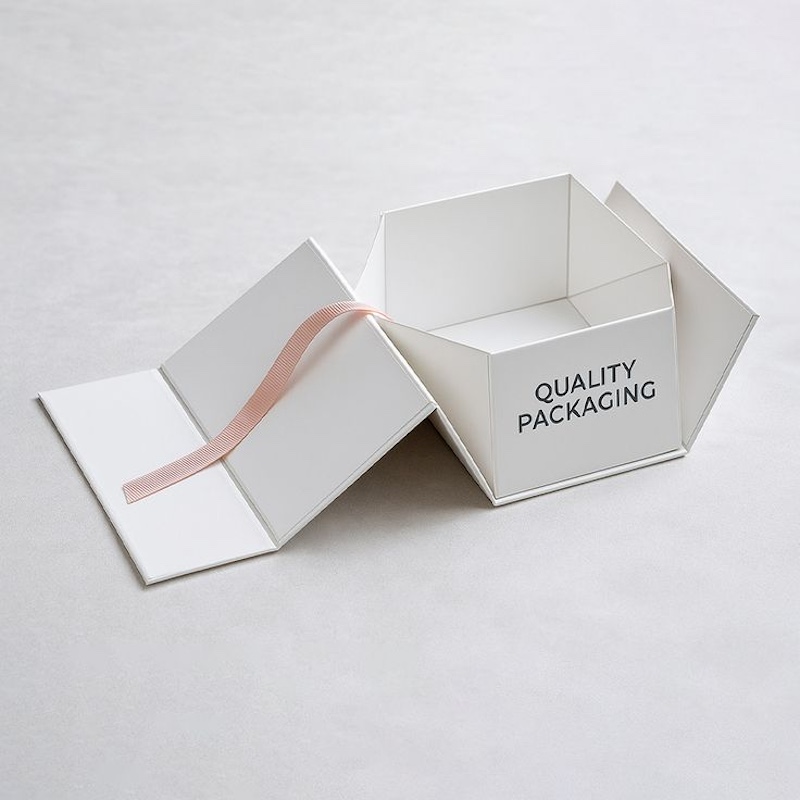
Future Trends in Logistics-Driven Packaging
As supply chains evolve, packaging design will continue to focus on efficiency.
- Smart packaging optimized for automation
- Sustainable lightweight materials
- Modular packaging systems
- AI-driven packaging optimization
These trends highlight the growing importance of structure in packaging strategy.
Conclusion
Packaging structure design is a powerful tool for reducing logistics costs and improving operational efficiency. By focusing on right-sizing, lightweight materials, and smart structural innovation, brands can achieve significant savings while maintaining product protection and brand appeal.
In a competitive market, optimizing packaging is not just a cost-saving measure—it is a strategic advantage that enhances both profitability and sustainability.





About Printing Craftsmanship
What factors should I consider when choosing a printing technique?
Material: Some methods work better on specific surfaces (e.g., screen printing for fabric, offset for paper).
Budget: Offset is cost-effective for large runs, while digital printing is better for short runs.
Aesthetic & Finish: If you need metallic effects, choose hot stamping; for texture, consider embossing.
Durability: UV printing and screen printing offer long-lasting prints resistant to fading.
What are the different types of printing techniques?
There are various printing techniques used for different purposes, including:
Offset Printing – Ideal for high-volume commercial printing, offering sharp and high-quality images.
Digital Printing – Suitable for short-run printing with fast turnaround times.
Screen Printing – Used for printing on textiles, plastics, and other materials with thick ink layers.
Hot Stamping – Adds metallic or pigmented foil using heat and pressure for a luxurious look.
Embossing & Debossing – Creates raised or recessed designs for a textured effect.
UV Printing – Uses ultraviolet light to instantly dry ink, offering vibrant colors and enhanced durability.
How do I ensure high-quality printing results?
Use high-resolution images and vector files.
Choose the appropriate paper or substrate.
Work with a professional printing service.
Consider color matching systems like Pantone for consistent results.
Request print samples before full production.
Rigid Drawer Box
Can I get a sample before placing a formal order?
Yes, we provide samples to our customers. Please contact our sales team to inquire about sample availability and pricing.
About Us
Are you a manufacturer?
Yes, we are manufacturer, and we have over decade experience in this field.




Start Your Packaging Journey Today
Discover Our Curated Collection of Bespoke Packaging Cases & Tailored System Solutions
© 2025 WINPACK PRINTING. All rights reserved

Wenhua Printing packaging
winpackprinting
Winpack Printing