




What documentation can accompany jewelry box shipments? | Insights by Winpack
- What Documentation is Required for Shipping Jewelry Boxes?
- 1. What are the essential documents needed when shipping jewelry boxes?
- 2. How can I ensure accurate customs declarations for my jewelry shipment?
- 3. What are the best practices for packaging jewelry boxes for shipment?
- 4. How can I ensure the security of my jewelry shipment?
- 5. What are the shipping options for jewelry boxes?
Shipping jewelry boxes requires meticulous attention to detail to ensure the safety and security of the items during transit. Below are five common questions and their answers to guide you through the process:
What Documentation is Required for Shipping Jewelry Boxes?
1. What are the essential documents needed when shipping jewelry boxes?
When shipping jewelry boxes, it's crucial to include the following documentation:
Commercial Invoice: Provides a detailed description of each item, including value, quantity, and country of origin. Accurate valuation is vital for customs assessment.
Harmonized System (HS) Codes: Assigns the appropriate HS code for each item to assist customs authorities in classifying and assessing duties and taxes correctly.
Certificate of Origin: Verifies the source country of the jewelry, which may be required to qualify for preferential trade agreements.
Insurance Documentation: If the shipment is insured, include the insurance documentation to facilitate claims in case of loss or damage.
2. How can I ensure accurate customs declarations for my jewelry shipment?
To ensure accurate customs declarations:
Provide Complete and Accurate Information: Clearly state the contents, value, and purpose of the shipment.
Avoid Misleading Descriptions: Do not undervalue or misdescribe the items, as this can lead to delays, fines, or confiscation.
Consult with a Customs Broker: Engage a professional to navigate complex customs regulations and ensure compliance.
3. What are the best practices for packaging jewelry boxes for shipment?
Effective packaging is essential to protect jewelry boxes during transit:
Use Sturdy Boxes: Select boxes that are appropriately sized and made of strong materials to prevent damage.
Cushion the Contents: Wrap each jewelry box in bubble wrap or foam to absorb shocks and prevent movement.
Double-Boxing: Place the wrapped jewelry box inside a larger, sturdy box filled with cushioning materials for added protection.
Disguise the Package: Avoid labeling the package as containing jewelry to reduce the risk of theft.
4. How can I ensure the security of my jewelry shipment?
To enhance the security of your shipment:
Use Tamper-Evident Packaging: Employ packaging that shows signs of tampering to deter unauthorized access.
Require Signature upon Delivery: Opt for shipping services that require a signature upon delivery to confirm receipt by the intended recipient.
Insure the Shipment: Purchase insurance to protect against loss, damage, or theft during transit.
5. What are the shipping options for jewelry boxes?
When choosing a shipping method:
Select Reliable Carriers: Choose shipping companies known for their reliability and secure handling of valuable items.
Opt for Expedited Shipping: Use expedited shipping services to reduce transit time and minimize the risk of loss or damage.
Track the Shipment: Utilize tracking services to monitor the progress of your shipment and address any issues promptly.
By adhering to these guidelines, you can ensure the safe and secure shipment of your jewelry boxes.
Winpack offers comprehensive packaging solutions tailored to the jewelry industry, ensuring your products are protected and presented professionally.
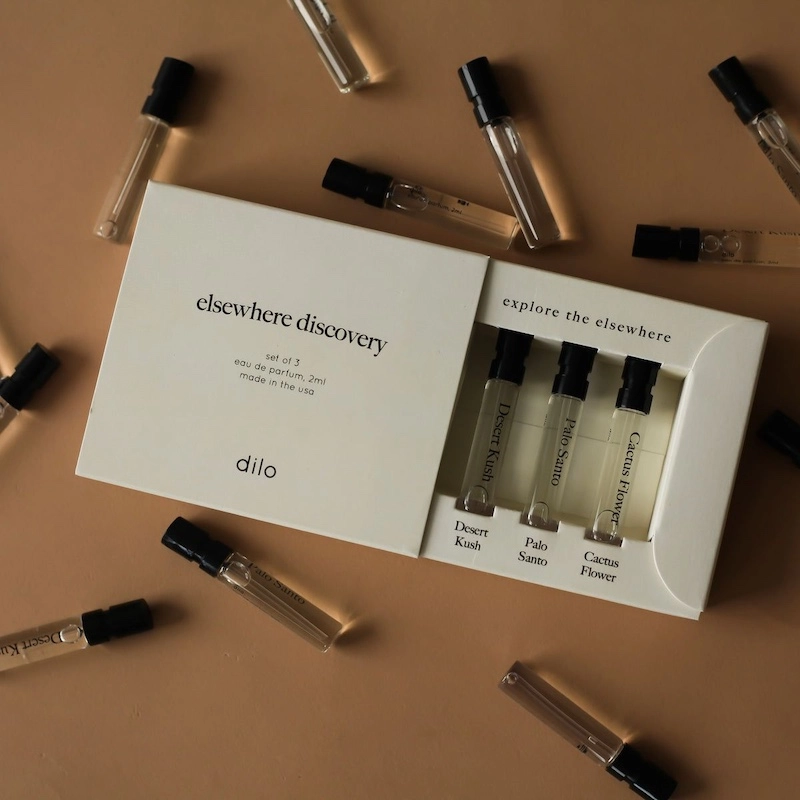
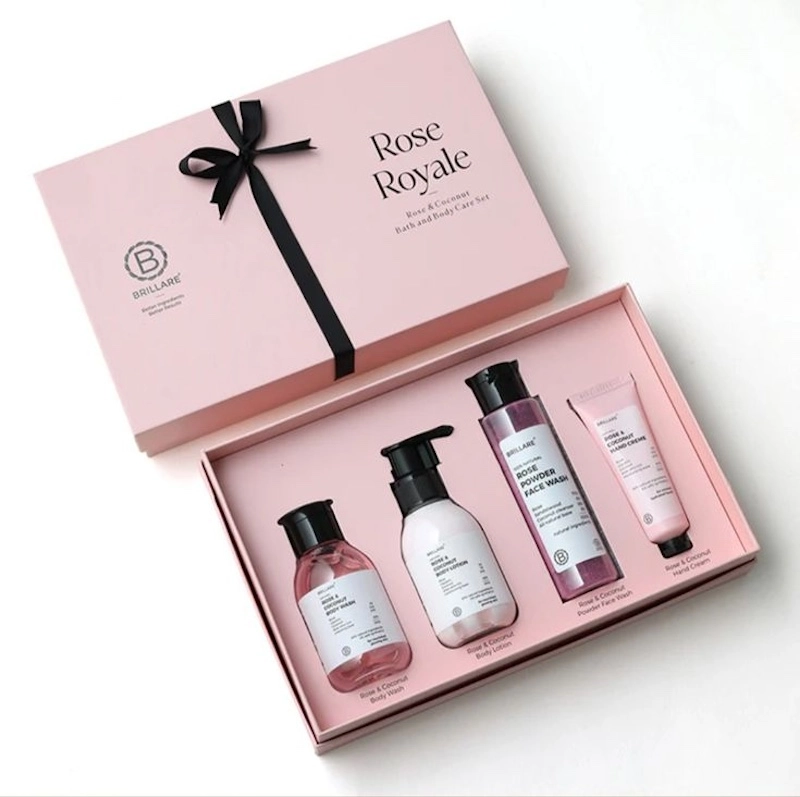
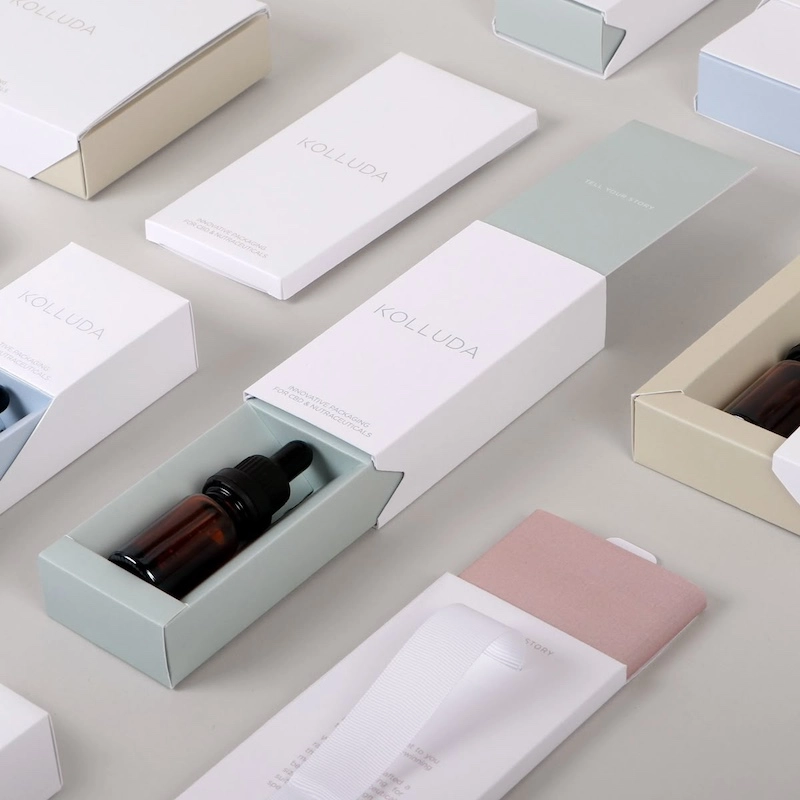
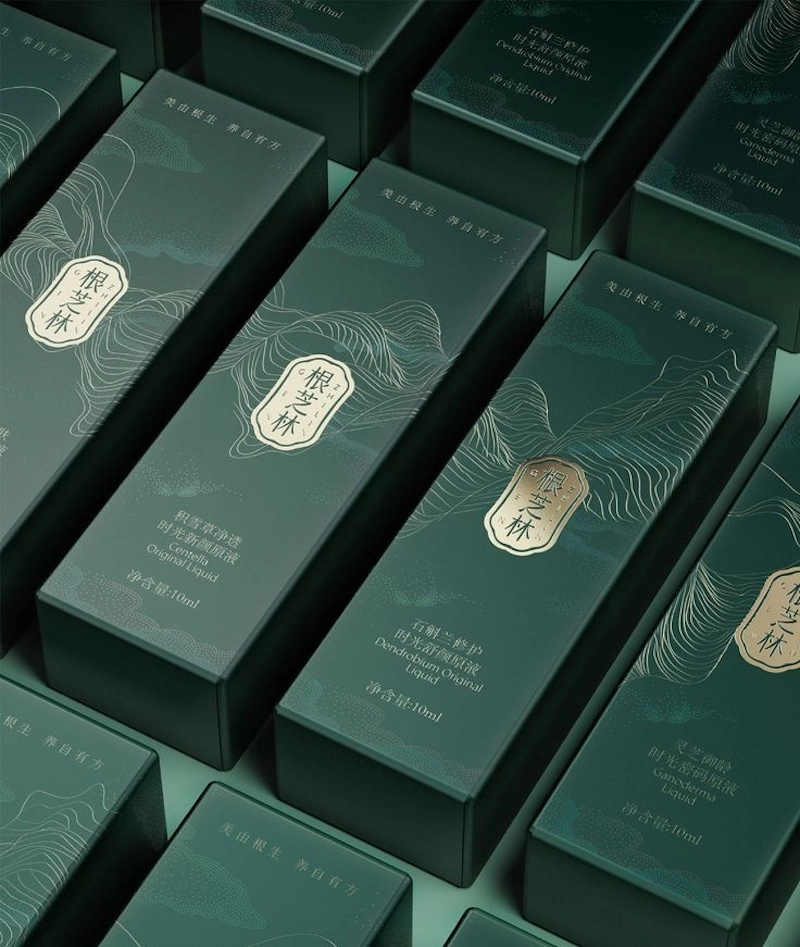
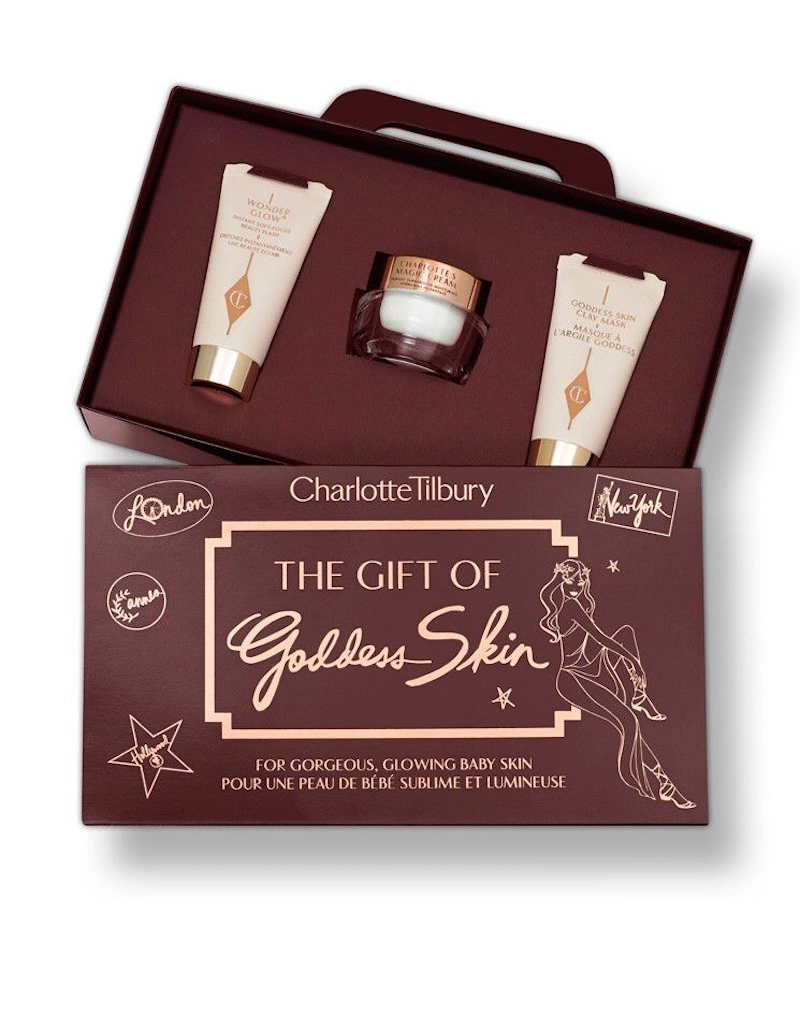
OEM Services
What is OEM packaging, and how can Winpack Printing help?
OEM (Original Equipment Manufacturer) packaging refers to custom-designed packaging solutions tailored to a brand’s specifications. At Winpack Printing, we provide end-to-end OEM services, including design, proofing, printing, and production, to help you create high-quality, market-ready packaging that aligns with your brand identity.
Can I customize the design, size, and material of my packaging?
Absolutely! Our OEM services allow full customization, including design, size, material, colors, printing effects, and finishing. We work closely with you to create packaging that reflects your brand’s image and market positioning.
Folding Boxes
Can I get a sample before placing a formal order?
Samples usually require a certain fee, but this fee can be partially or fully refunded after the customer confirms the order.
About Printing Craftsmanship
What are the advantages of embossing?
Enhances the visual and tactile appeal of printed products.
Creates a premium and professional look.
Improves brand recognition with distinct textures.
Increases durability as the embossed design remains intact over time.
Rigid Magetic Boxes
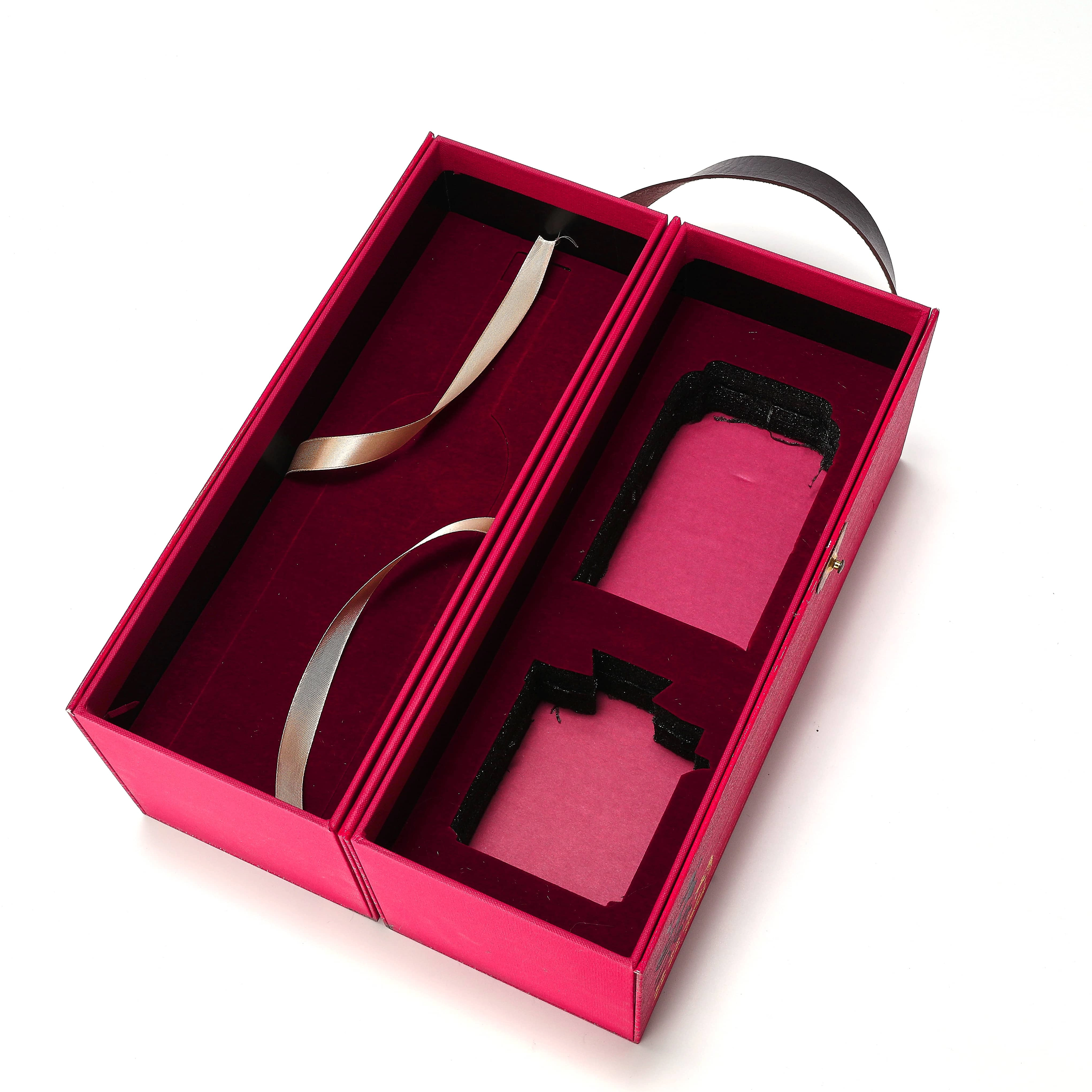
Can I print on the inside of the box?
Yes, you can print any effect you want on the inside.

Start Your Packaging Journey Today
Discover Our Curated Collection of Bespoke Packaging Cases & Tailored System Solutions
© 2025 WINPACK PRINTING. All rights reserved

Wenhua Printing packaging
winpackprinting
Winpack Printing