




Resources
Access valuable tools, guides, and industry knowledge to optimize your packaging strategy.
From material selection to sustainable development trends, our resource library helps you make wise choices.
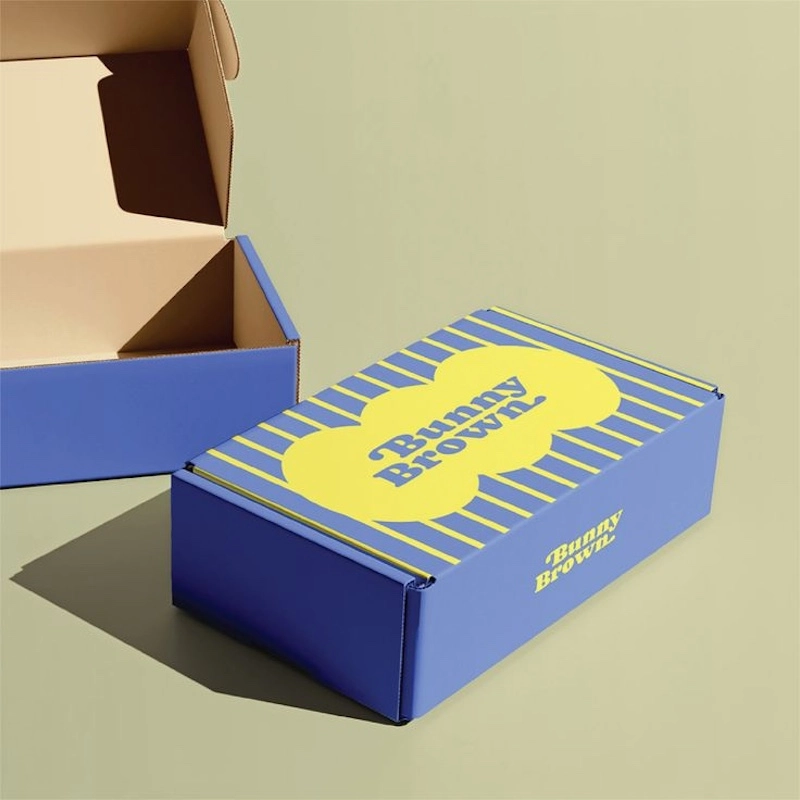
What is Paperboard Packaging?
Paperboard folding cartons have been the most popular type of packaging throughout history and remain so to this day.
In response to growing eco-consciousness, many companies have opted for paper packaging as a more environmentally friendly way of fulfilling consumer needs.
Folding cartons are affordable and versatile, and an excellent alternative to plastic packaging.
Paperboard boxes are popular due to their exceptional lightness and flexibility, meaning they can be used with almost any type of product.
You probably saw a folding carton box this morning when you had your cereal!
Now, we are going to delve into the world of paperboard, exploring its advantages and how various industries utilise it!

How Important is Packaging in Marketing a Product?
Not only does it provide your products with security during the distribution and sales process, it is also crucial in attracting new customers.
With the unboxing video phenomenon enjoying a revival online, packaging has become a mobile billboard for your brand.
For many customers, the unboxing experience is the most thrilling part of buying a new product.
The design of your product packaging should not be an afterthought. It should be considered one of the most important elements of your marketing strategy.
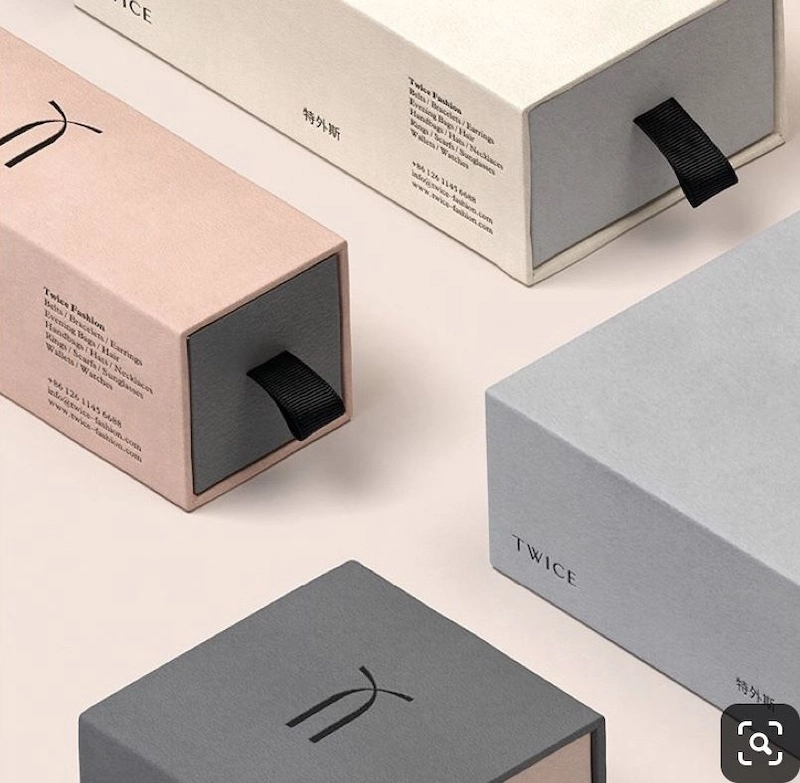
What Is The Cost Of Custom Packaging?
Custom packaging plays a critical role in shaping brand perception, protecting products, and enhancing the overall customer experience—but one of the most common questions brands ask is: How much does custom packaging actually cost? Understanding packaging costs helps you make smarter decisions and avoid unnecessary expenses.
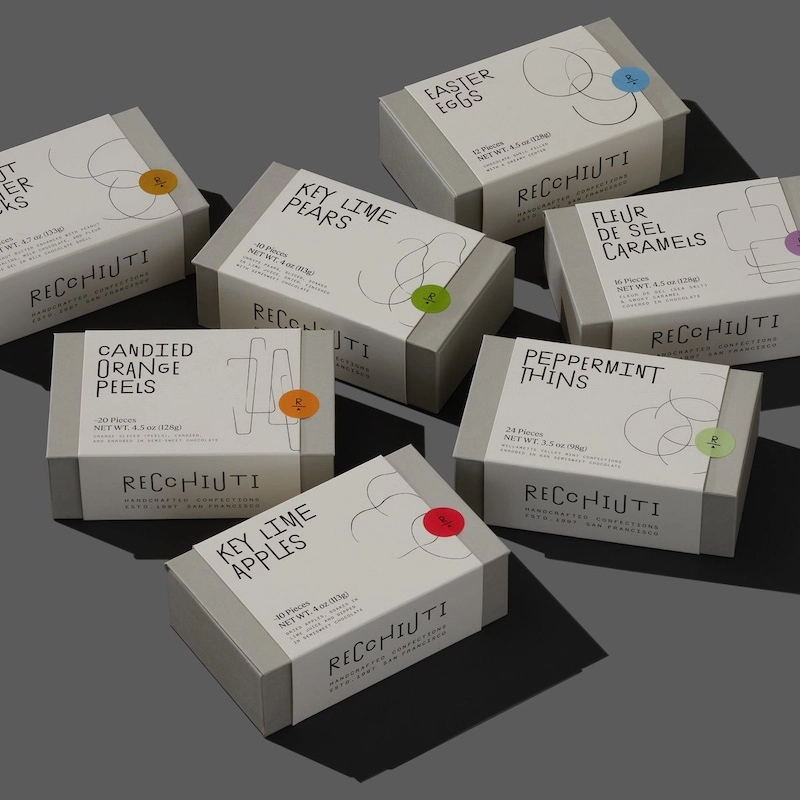
How Much Does Custom Packaging Cost?
Custom packaging plays a critical role in shaping brand perception, protecting products, and enhancing the overall customer experience—but one of the most common questions brands ask is, "How much does custom packaging actually cost?" Understanding packaging costs helps you make smarter decisions and avoid unnecessary expenses.

How to Minimize Packaging Waste Through Sustainable Packaging
Whether we like it or not, packaging products is necessary to avoid damage, spoilage or contamination. However, unfortunately for the planet, a large amount of packaging material can have a devastating effect on the environment, particularly plastic waste.
Packaging has a detrimental effect on the ocean, air and land. This is a very important issue that cannot be resolved overnight and must not be ignored. Excess packaging waste is highly detrimental to the environment, so companies and consumers must do what they can to mitigate these negative impacts.
At Winpack printing, we aim to reduce these environmental effects by educating our customers and taking action through environmentally friendly practices and sustainable packaging.
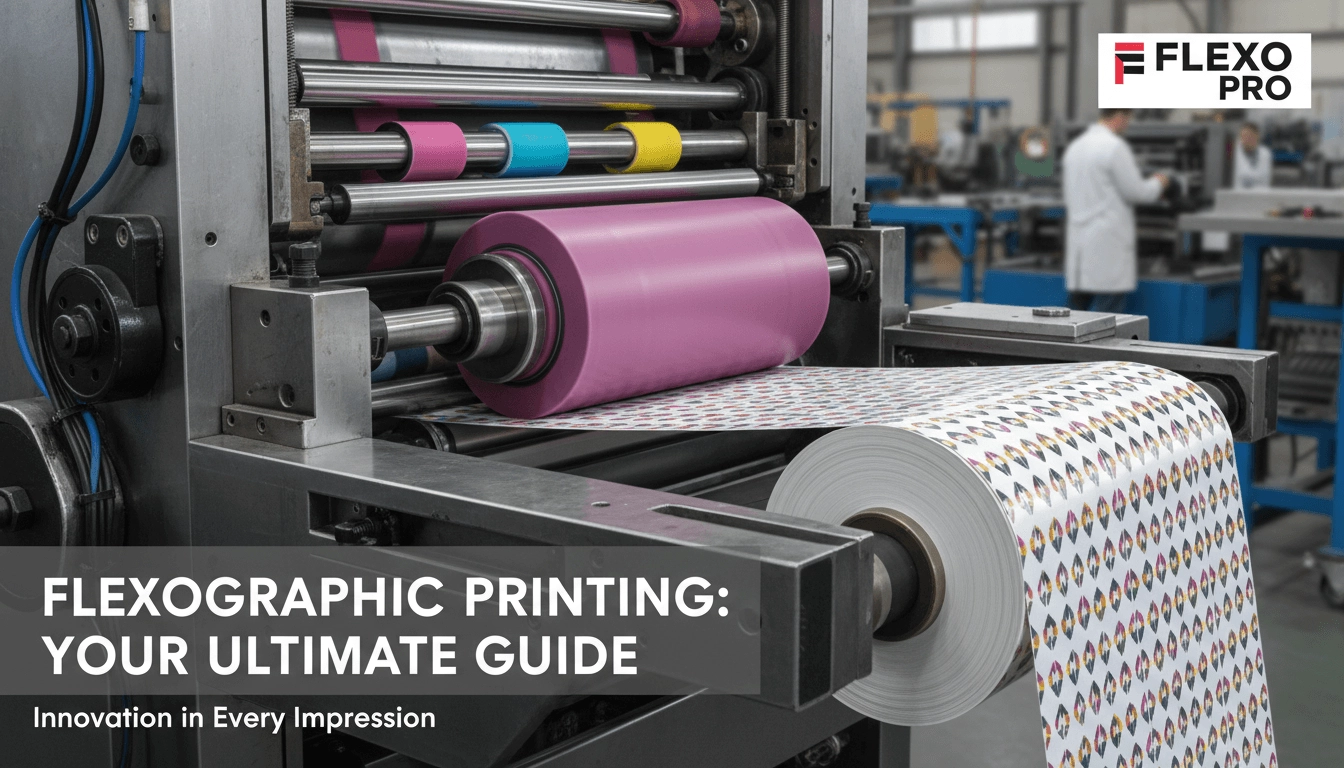
Mastering Flexographic Printing in 2026: Advanced Packaging Solutions That Drive Performance
This comprehensive guide explores the state of flexographic printing in 2026, detailing the technology, ink types, and core benefits for modern manufacturing. It highlights the role of UV inks, sustainability, and high-speed production. The article also showcases how Winpack Printing utilizes advanced machinery like Heidelberg and Lithrone GL-40A presses to deliver superior custom packaging solutions.
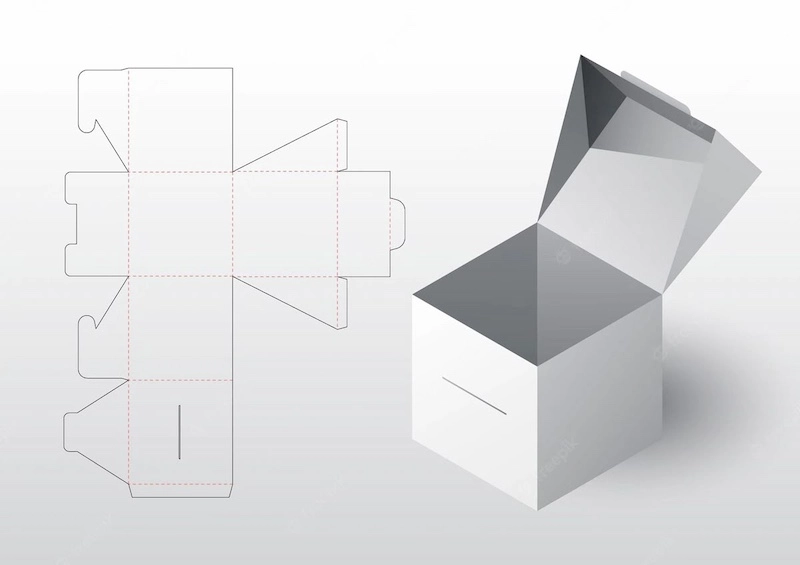
How To Prepare Dielines For Prepress & Printing
One of the primary processes that you must get right at the beginning of any packaging project is creating a box dieline. Dielines are templates that ensure your final packaging designs are correct and meet your quality standards.
For custom packaging, the prepress printing process should receive the same level of consideration as the design. This is critical in determining the overall appearance and feel of your packaging, so it is important to get this part right and to have a standardised process in place.
In this article, we will take you through the process of creating dielines for prepress, but first, we will pause to cover the basics.
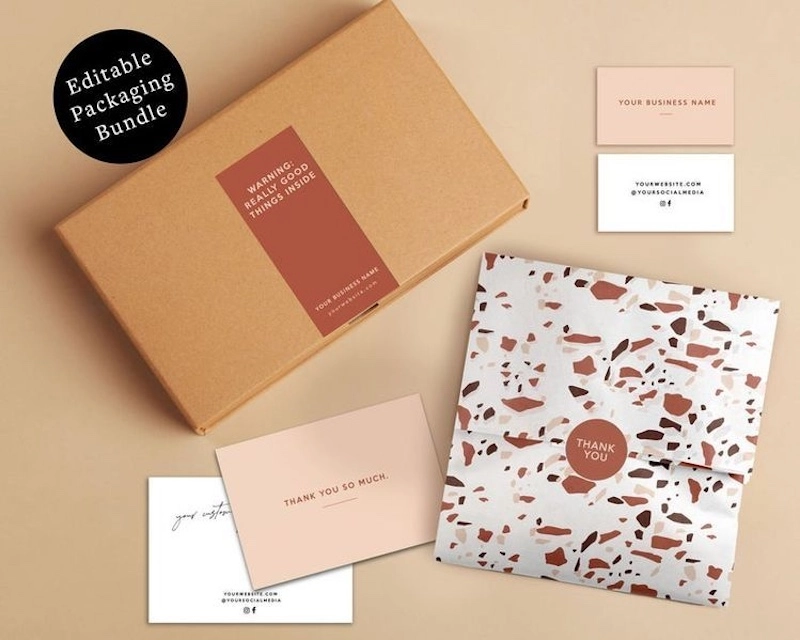
13 Environmentally Friendly Packaging Materials You Should Know
The issue of packaging waste in the retail industry is nothing new.
Plastic and moulded foam end up in landfills where they remain for decades. The transition to online shopping due to the pandemic has boosted the e-commerce sector, making it easier to order not only groceries, but also furniture. However, this convenience also places a greater burden on businesses to become environmentally friendly. The environmental effects of plastic packaging, especially its role in landfill waste growth, highlight the urgent need for businesses to become environmentally friendly. In order to fulfil their sustainability obligations, brands must evaluate the life cycle of sustainable packaging materials.
This detailed guide covers various environmentally friendly packaging materials, their advantages, and their applications, to help businesses and consumers make wiser decisions for a greener future.

Packaging Procurement: An Overview of Key Steps and Strategies
Packaging is a very important aspect of retail businesses. Not only does it protect products, it also improves brand image and customer experience. Whether it's a plain box, a branded bag or a special custom design, making an impression starts with selecting the right packaging. The most important step is procurement: finding the correct materials and suppliers to bring your packaging vision to life efficiently and cost-effectively.
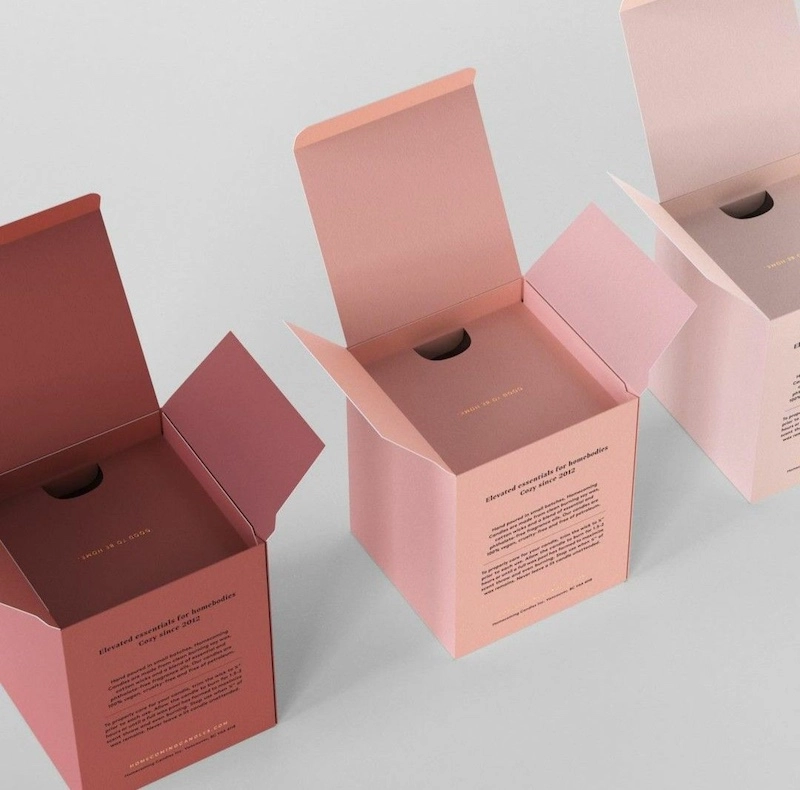
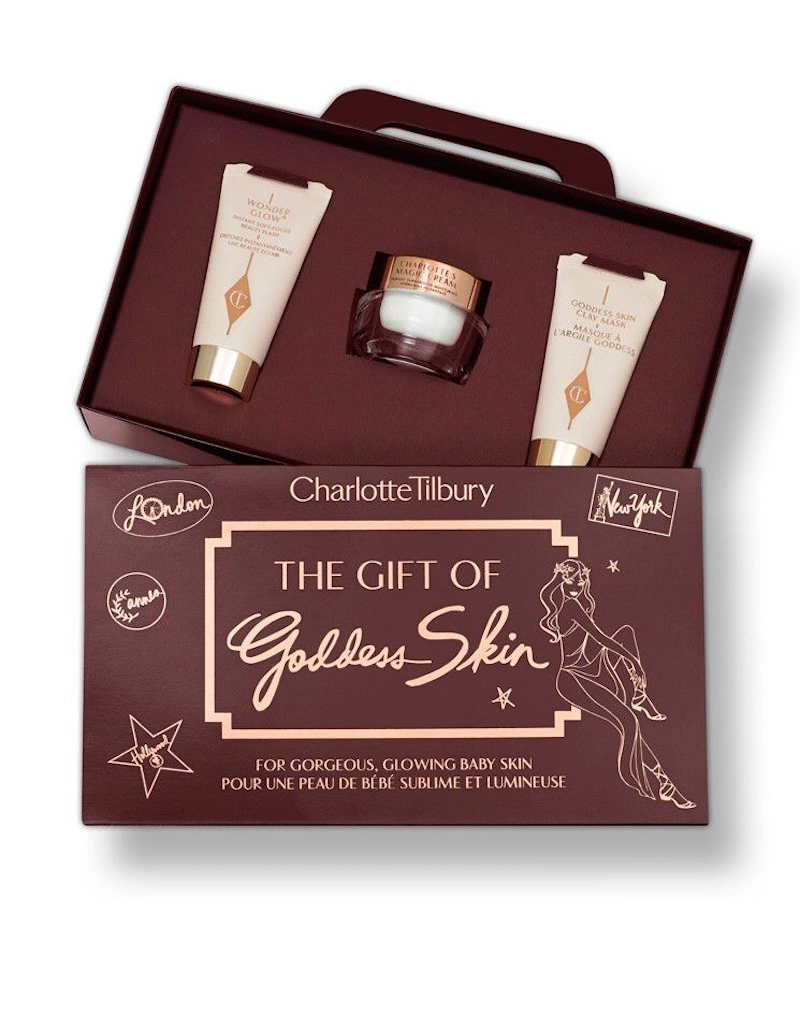
9 Effective Design Tips for your Cosmetics Packaging Needs
We have all witnessed consumers' enthusiasm for practically every cosmetic product released by their favorite brands.
The fact is that developing a large number of loyal brand ambassadors will involve a lot of work and is not a stroll in the park.
There is an enormous focus on cosmetic packaging and its importance in branding.
In such a profitable industry, the number of competitors is unlimited, and they invest millions of dollars annually in marketing campaigns.
Naturally, it is easy to be absorbed by larger, more established companies whose brand names are already familiar to people.
To be successful in this business, beauty and cosmetics companies must differentiate themselves from others.
One way to encourage people to purchase products is through effective and striking cosmetic packaging designs.
The following beauty and cosmetics packaging tips will help you design packaging that customers will remember:

Pharmaceutical Packaging Design: Safety, Compliance, and New Technology
The pharmaceutical industry is strict and controlled in terms of the safety and compliance of its products and medicines, and with good reason!
Quality, protection and care must never be compromised, especially when the health and well-being of individuals are at stake.
These requirements apply not only to the products themselves, but also to the design of medicine packaging.
When it comes to pharmaceutical products, the design of the packaging and the labelling are equally important.
The design of pharmaceutical packaging should prevent contamination by water, light, and dust, and the labels should be readable, concise, and accurate.
Failure to meet these standards can lead to business failure, so in this article, we will discuss the key factors you must consider to remain in business and maintain the high standards of the pharmaceutical industry.
Nevertheless, satisfying these requirements has never been more convenient for the packaging of medical devices!
Quality control, traceability and transparency have never been more easily attained than with the introduction of smart packaging design.
However, before examining this trend, we will first take a closer look at the requirements for medical packaging.
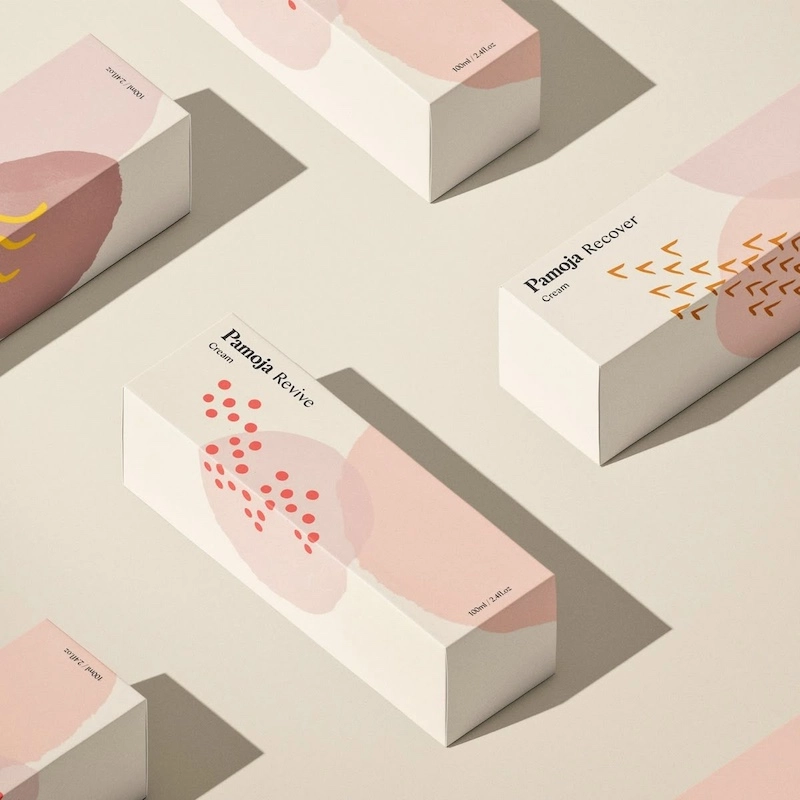
What is Flexographic Printing?
If you're in the printing business or a company looking to package your products in boxes, you've probably heard the term 'flexography' without knowing what it means.
The flexographic printing press is a technique believed to be the new letterpress because it can print on large volumes of substrates, such as:
Plastic
Paper
metals
films
cellophane.
Flexographic printing press technology is economical in terms of time and cost-effective, offering a wide variety of choices.
Flexo printing offers high-quality results at an affordable price, whether you need to print food packaging or labels.
Now, let's take a closer look at the flexographic printing process and how you can use this technology to your advantage.
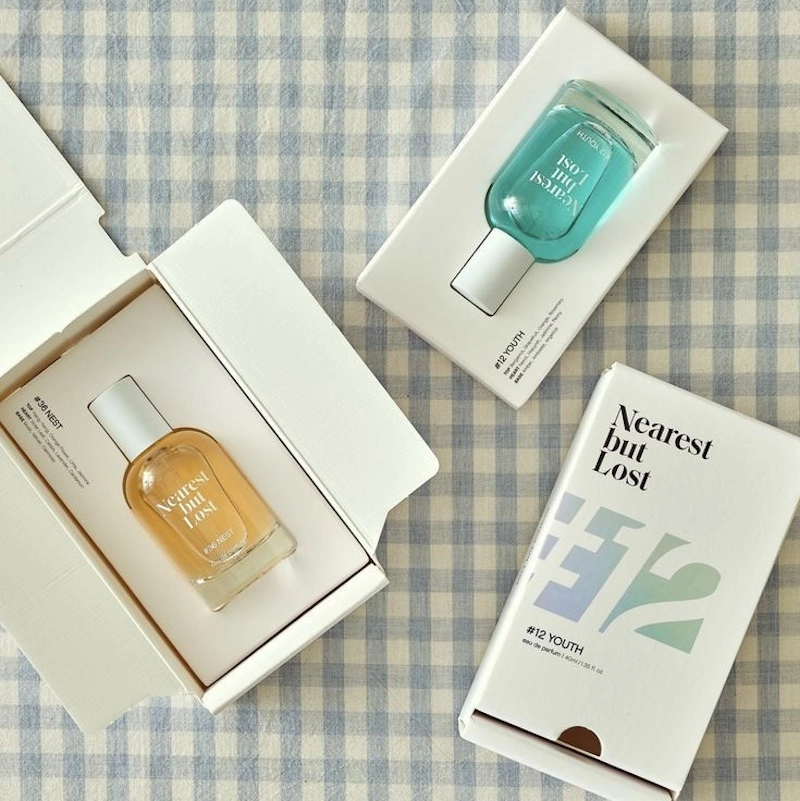
6 Creative Ways to Reuse Cardboard Boxes
Whether you are a business or an individual, you probably have a few cardboard boxes lying around.
You could store and organise some of them, but most of them will probably end up in the bin.
In fact, there are plenty of inventive and practical ways to reuse cardboard boxes at home or in the workplace!
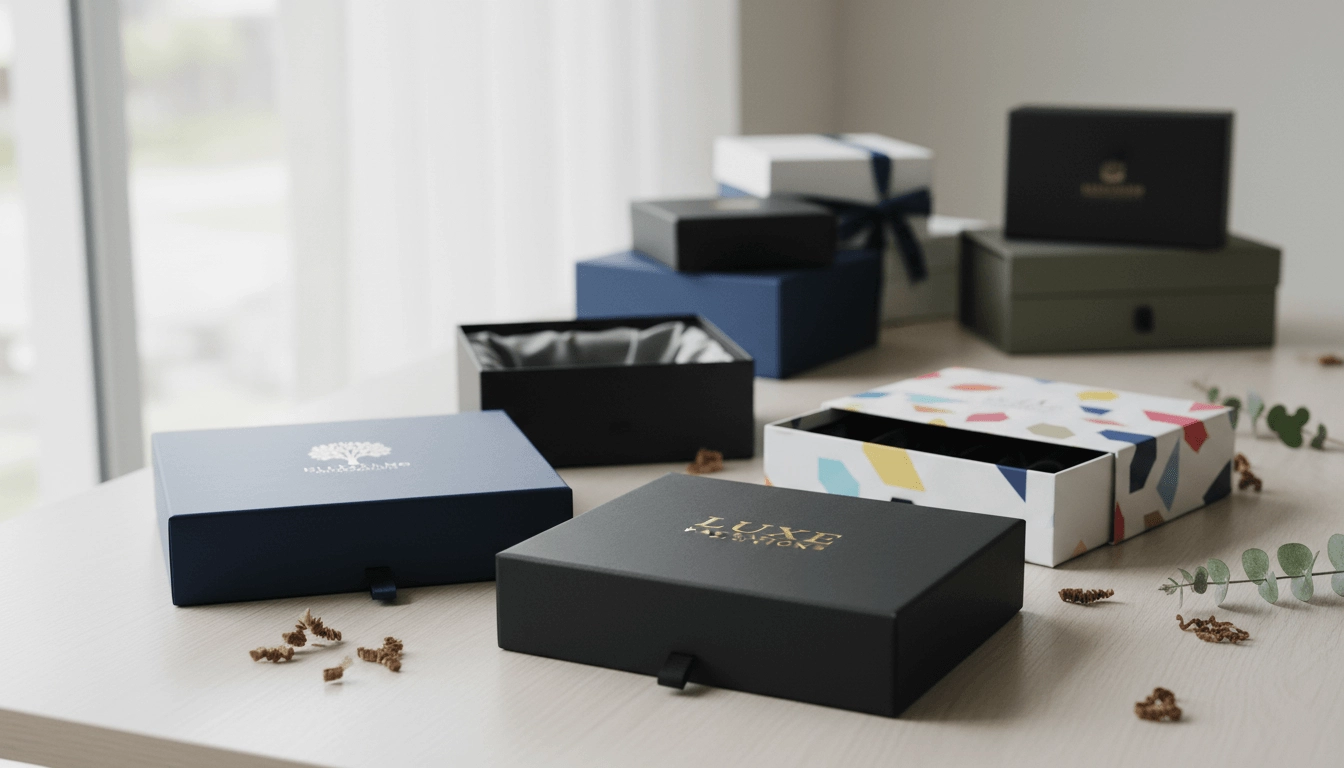
The Ultimate Guide to Custom Rigid Boxes: Design, Benefits & Production by Winpack (2026)
This comprehensive guide explores the world of custom rigid boxes, detailing their structural advantages, premium benefits for branding, and the intricate manufacturing process. It highlights 2026 trends like sustainable materials and smart packaging, while showcasing Winpack's advanced production capabilities.
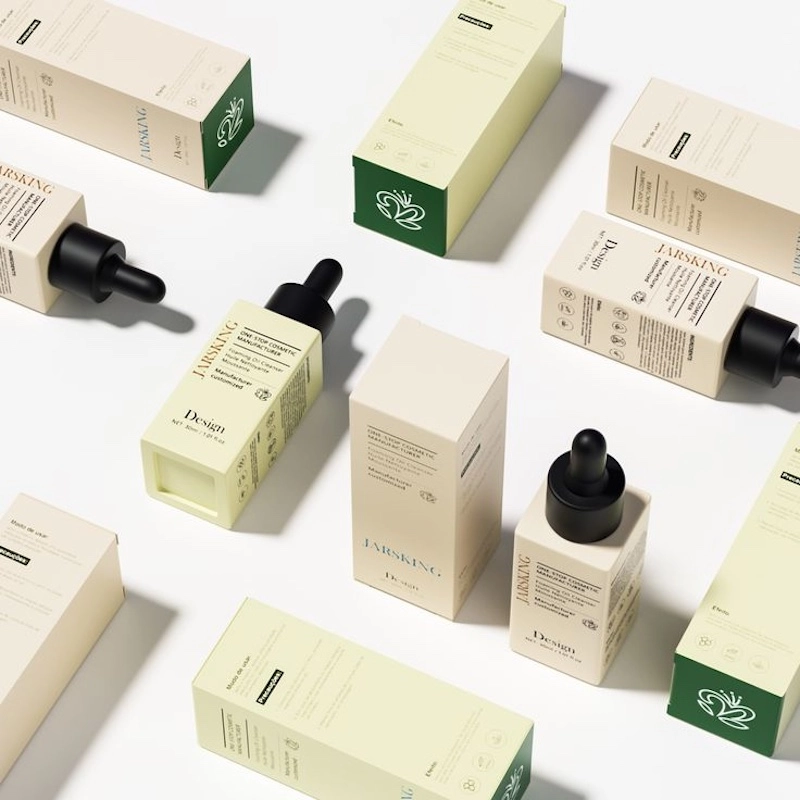
Affordable DIY Packaging Ideas For Your Small Business
Finding and manufacturing quality products to sell can be overwhelming, particularly when you have a limited budget or are just starting to develop your business.
That's where DIY packaging comes in! As well as the many things you need to plan and consider, you also need to find a way to differentiate your business and products from those of your competitors.
As a business owner, it is in your interest to ensure that your products solve your customers' problems and meet their needs without exploiting them. However, it is also essential that you deliver a satisfactory customer experience. How do you make people remember your brand, and how do you provide that wow factor each time they open your products? Remember that your packaging will create the first impression for potential customers.
With the right level of creativity and perseverance, you can come up with personalised packaging designs that will encourage people to return to your store to buy more items. Here is a list of great, cheap DIY packaging ideas to help you achieve this!
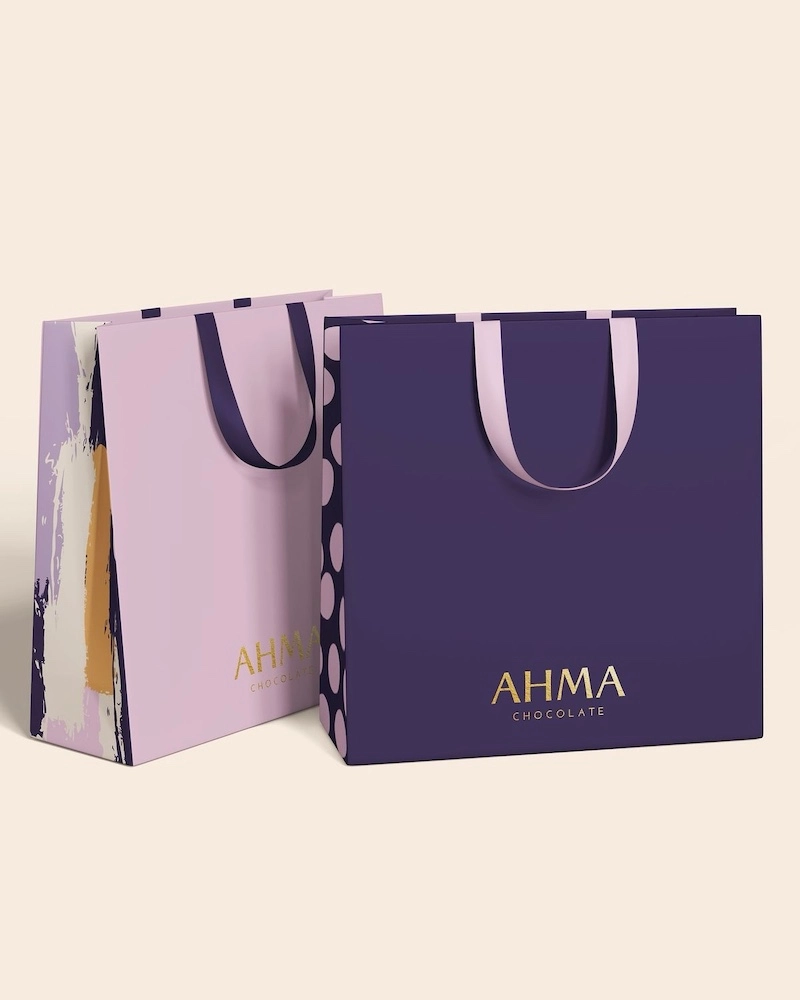
The Master Guide to Custom Paper Shopping Bags
There are numerous considerations when determining how to promote and sell your brand to the market. One option could be online advertisements or a social media campaign. There are many ways to popularise your brand in a competitive market, but in this guide, we will focus on one of the most flexible forms of promotion that you may have overlooked: the Initially, you could consider online advertisements or a social media campaign. You can raise brand awareness in a variety of ways, but in this guide, we will discuss one type of promotion that is very versatile and which you may have overlooked: custom shopping bags.
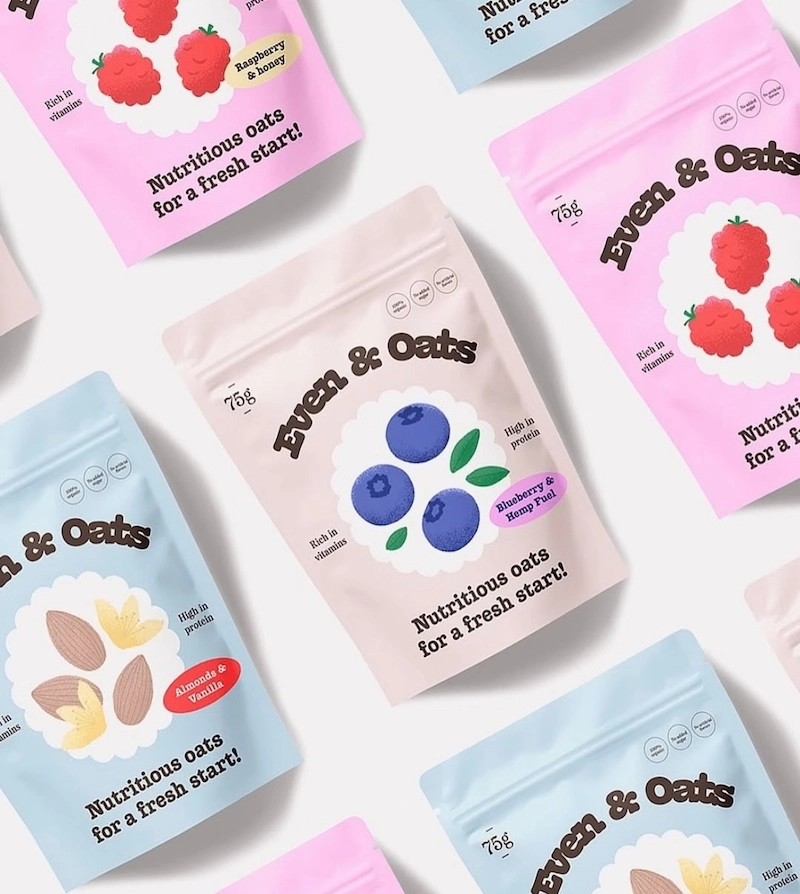
Flexible Packaging – The Master Guide
Flexible packaging is becoming increasingly popular in the packaging industry, offering a flexible solution to the various requirements of many sectors. In fact, this type of packaging accounts for 19 per cent of the 177 billion U.S. packaging market, making it the second largest market in the United States. This statistic indicates not only the large market share of flexible packaging, but also its increasing significance in the industry.
The ability to accommodate various types of products, sizes and applications has contributed to this growing trend, which is particularly prevalent in the food, pharmaceutical and personal care sectors. These industries benefit greatly from the flexibility of packaging solutions because of the ease of use, storage, longer shelf life and sustainability, making them a versatile choice for businesses and consumers alike.
In fact, a Harris Poll survey revealed that 71 percent of participants indicated a preference for flexible packaging over rigid boxes. Of those aware of the packaging alternative, 79 percent were willing to pay an extra 14 percent for this convenient, hygienic choice.
Given the rapid increase in market share, business preference and consumer preference, it is clear that this packaging solution will continue to establish itself as the preferred choice in most industries.
So, if you are considering using flexible packaging for your product, you have come to the right place! This article will cover everything you need to know about this excellent packaging option to ensure you have all the information required to make this important decision.
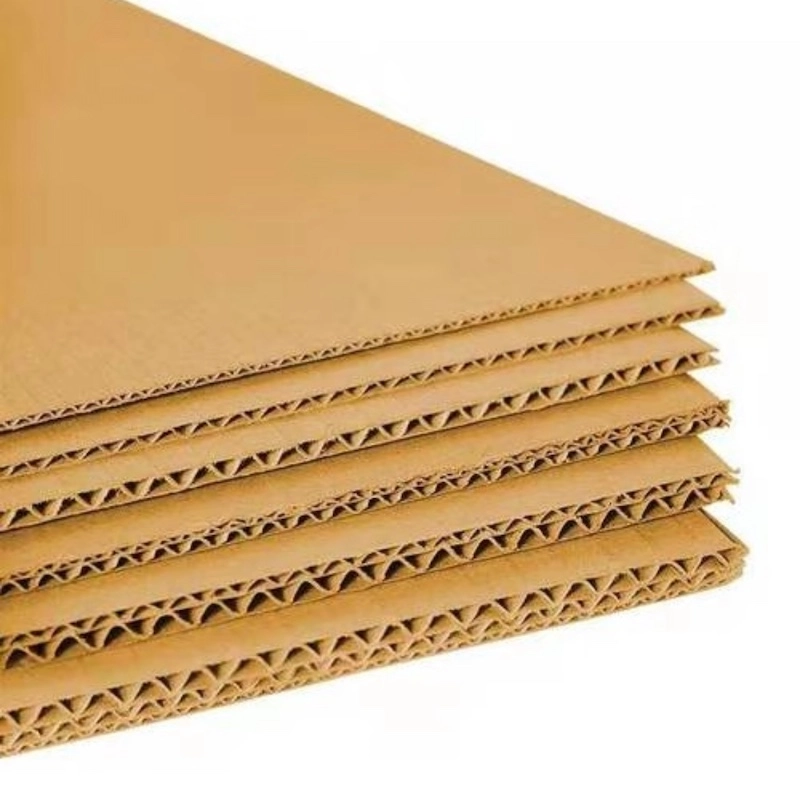
GSM and PT Unit Systems: What Is the Difference?
One aspect of packaging that has not been fully researched is its thickness.
The thickness of your packaging can influence its durability, protective properties and aesthetic appeal.
Understanding the weight of packages and the various issues to be considered can help you create packaging that meets your product requirements.
In this article, we will examine some of the important terms used to describe packaging, the unit systems used, how to convert and compare units of weight, and the effect this has on your overall packaging.
We will begin with some definitions to help you understand how to determine the appropriate cardboard thickness for packaging.
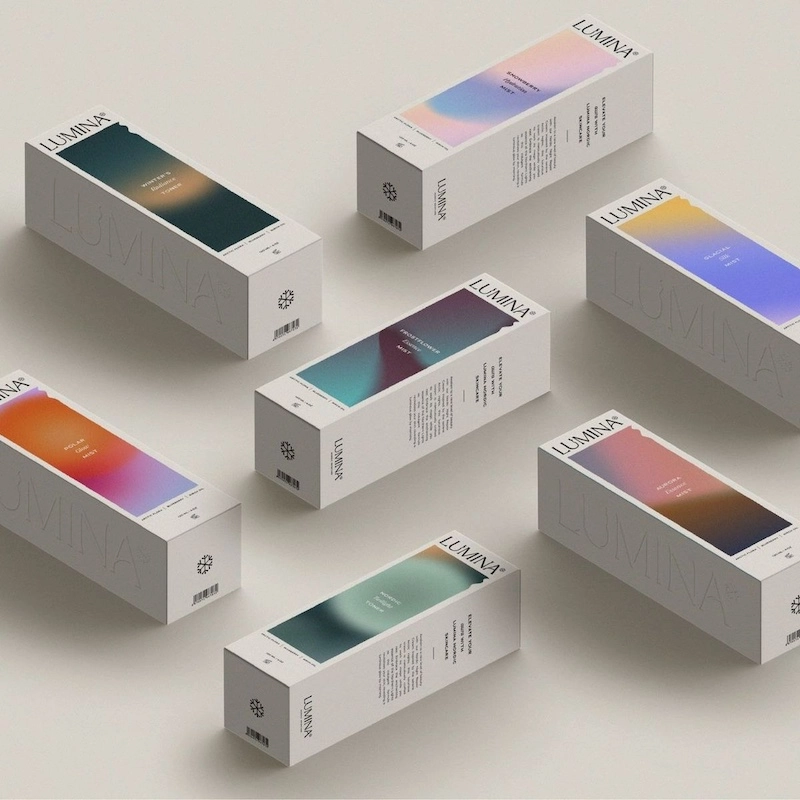
7 Eco-Friendly Cosmetics Packaging Ideas
Over the past few years, the beauty industry has been subjected to a great deal of criticism. Cosmetic companies are under increasing pressure to be more environmentally friendly, from the ingredients in skincare products to the production process and how products reach customers. This is why sustainable cosmetic packaging could benefit companies and customers who want to make a difference.
However, before delving into the details, it is necessary to define sustainability and explain how cosmetic companies can achieve it. Since there are numerous ways in which cosmetic companies handle sustainability, there are some general characteristics that make a package sustainable.
Firstly, the package must be made entirely from recycled or natural materials, and its production process must be environmentally friendly. This implies that a well-run, ethical supply chain is required, and that the production process should be zero-waste or closed-loop so that the package is deemed sustainable and environmentally friendly.
Secondly, the packaging should be easily recyclable, reusable or upcyclable by customers.
However, it is important to note that it is difficult for most cosmetics companies to incorporate all these elements into a single package while maintaining affordable price points. This is why it is essential for cosmetic companies to prioritise eco-friendliness and consider this when creating sustainable beauty packaging.
For example, although cosmetic companies are not always able to produce the most environmentally friendly packaging for their lotion bottles because they are mostly made of plastic, the important thing is to take concerted action in the right direction. The ultimate goal is to make their packaging as environmentally friendly as possible while providing value to customers. In this paper, we will discuss some excellent options. These include sustainable cosmetic jars and eco-friendly makeup packaging filler alternatives. Let's jump directly into the advantages each of these options has to offer.
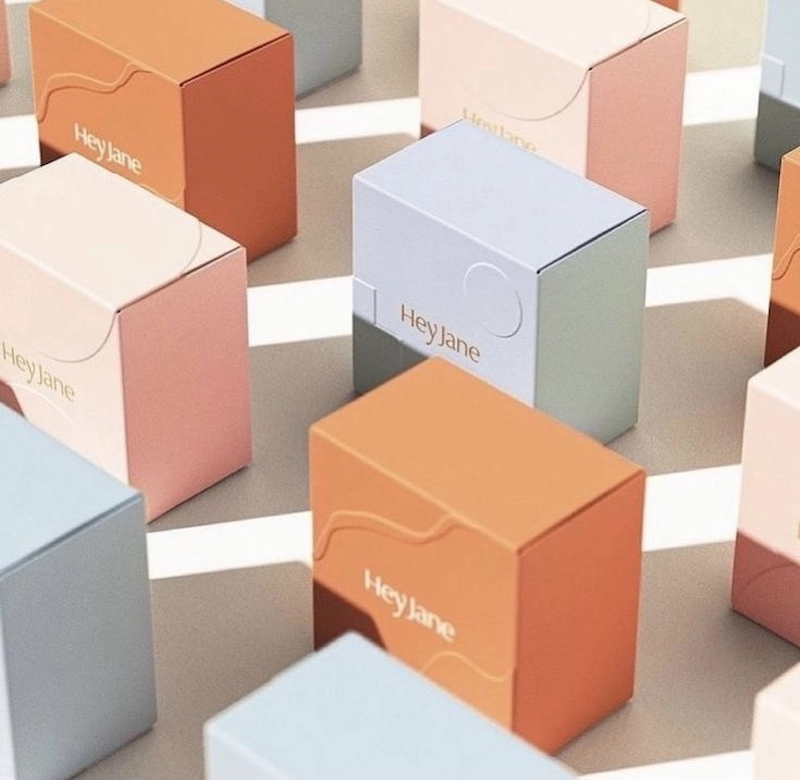
Folding Carton Box Packaging – The Master Guide
Have you considered using a folding carton to package your product? If so, you've come to the right place to find out everything you need to know about this option! These foldable paper boxes are a fashionable and adaptable packaging solution for many industries. Although these boxes are usually used for packaging food, they can also be used for pharmaceuticals, cosmetics, and electronics.
Paperboard is ideal for creating packages of any size, shape or structure to suit your product.
In this article, we will explore folding cartons in depth, beginning with a definition and moving on to the materials commonly used, styles, the manufacturing process and the advantages and disadvantages of this type of packaging. By the end of this comprehensive guide, we hope to have provided you with sufficient information to help you decide whether this paper carton packaging alternative is suitable for your product.
Get Custom Packaging Today
Connect with our experts to find the OEM printing and packaging solution that best suits your needs. Find out how Winpack Printing meets your brand's unique requirements.


Get in touch
© 2025 WINPACK PRINTING. All rights reserved

Wenhua Printing packaging
winpackprinting
Winpack Printing