




Resources
Access valuable tools, guides, and industry knowledge to optimize your packaging strategy.
From material selection to sustainable development trends, our resource library helps you make wise choices.
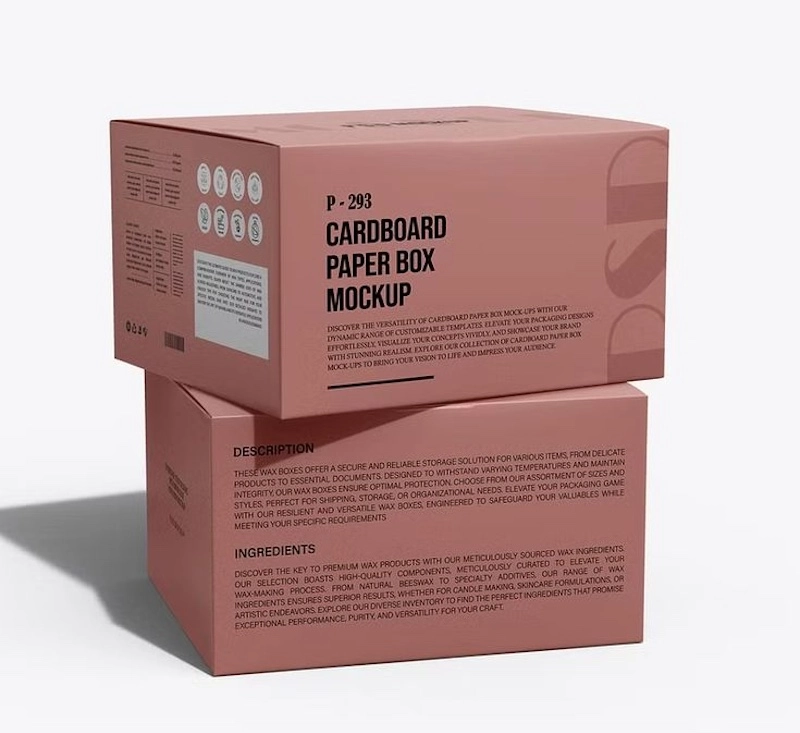
10 Things To Know Before Starting A Subscription Box
Subscription boxes are nothing new, but they have grown exponentially in popularity as a business model because they are convenient and affordable for customers.
During the pandemic, when we were forced to stay at home, subscription boxes became a way for consumers to liven up their otherwise boring days.
This has prompted entrepreneurs around the world to launch subscription box services to boost their income.
There are a few things you should know before embarking on this journey.
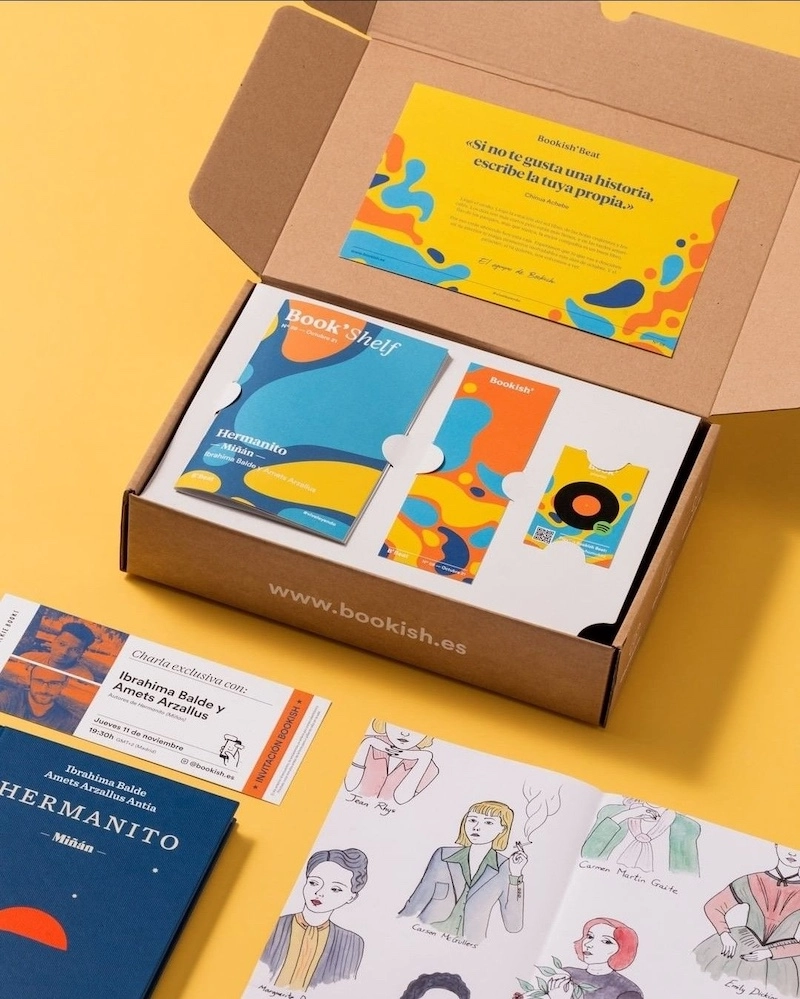
5 Easy Ways to Increase Brand Exposure
There has been much debate about what makes a brand unique. Some say it is the font, some the colours and some the message.
Ultimately, however, a great brand comes down to one thing: creativity.
The most successful brands have had massive levels of creativity behind them, which is what has made them what we know today.
This brings about brand exposure and helps customers to start associating with your brand.
Creativity may be the way to achieve such brand exposure, but how does it actually occur?
It doesn't just happen, as you know.
We will discuss some of the best methods of increasing brand awareness and how you can apply them to your business.
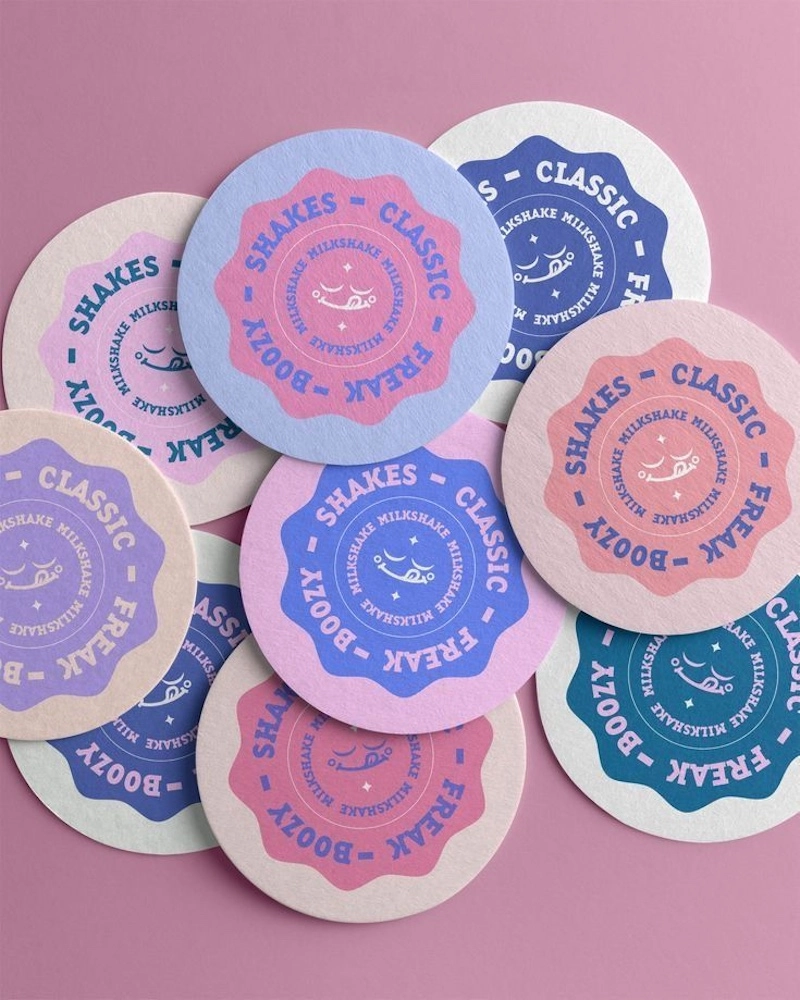
How to Make and Sell Stickers Online in 5 Easy Steps
If you need to create inexpensive, fun and creative stickers that reflect the personality of your up-and-coming business or indie artist brand, then designing stickers is a great place to start! According to eRank, which monitors trending products on the e-commerce marketplace Etsy, stickers were among the most popular search terms on the site, which demonstrates this demand.
Custom stickers have so many applications, and can be applied to any surface, such as a laptop, notebook or phone case, and can assume any genre or style. The only limits are your creativity and imagination. In this article, we will outline five simple steps to start selling your DIY stickers online.
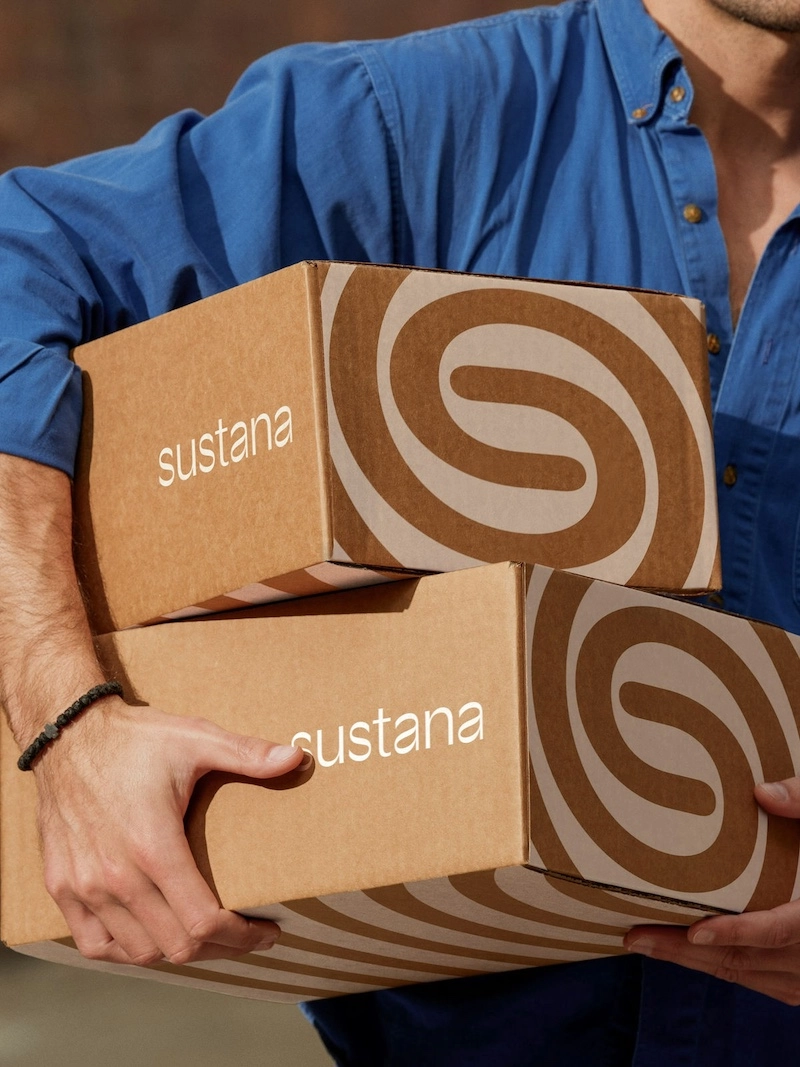
How to Safely Ship Fragile Products and Avoid Breakage
No matter which carrier you use, there is always a risk of your package being damaged, and this is unavoidable.
Boxes moving during transportation, trucks going over bumps in the road and accidental drops are all common causes of breakage.
Although you cannot eliminate these factors, careful packaging can mitigate the risk.
Even items that appear indestructible can break, so it's clear that fragile items are even more vulnerable to mishandling.
Examples of fragile items include artwork, glass, electronic equipment, antiques and mirrors.
This article will show you how to package delicate goods for shipping and reduce the risk of breakage.
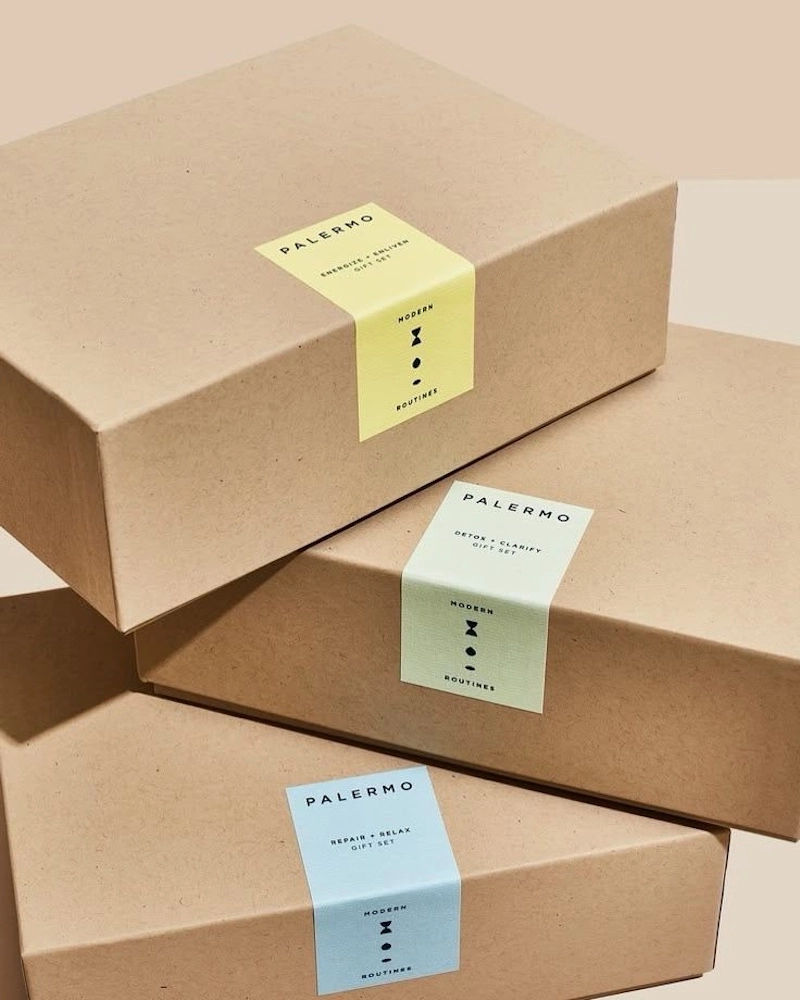
The Future of E-commerce Packaging
The e-commerce industry is a growing, changing and dynamic environment, driven by the rapid evolution of new technologies, innovations and manufacturing process optimisation in the quest for eco-friendly sustainability.
Nevertheless, to succeed in a fast-paced market with numerous competitors, your company should be prepared to embrace innovations and trends quickly.
In e-commerce, the package is as important as the product itself.
This article will therefore discuss the new trends that are defining the future of e-commerce packaging.
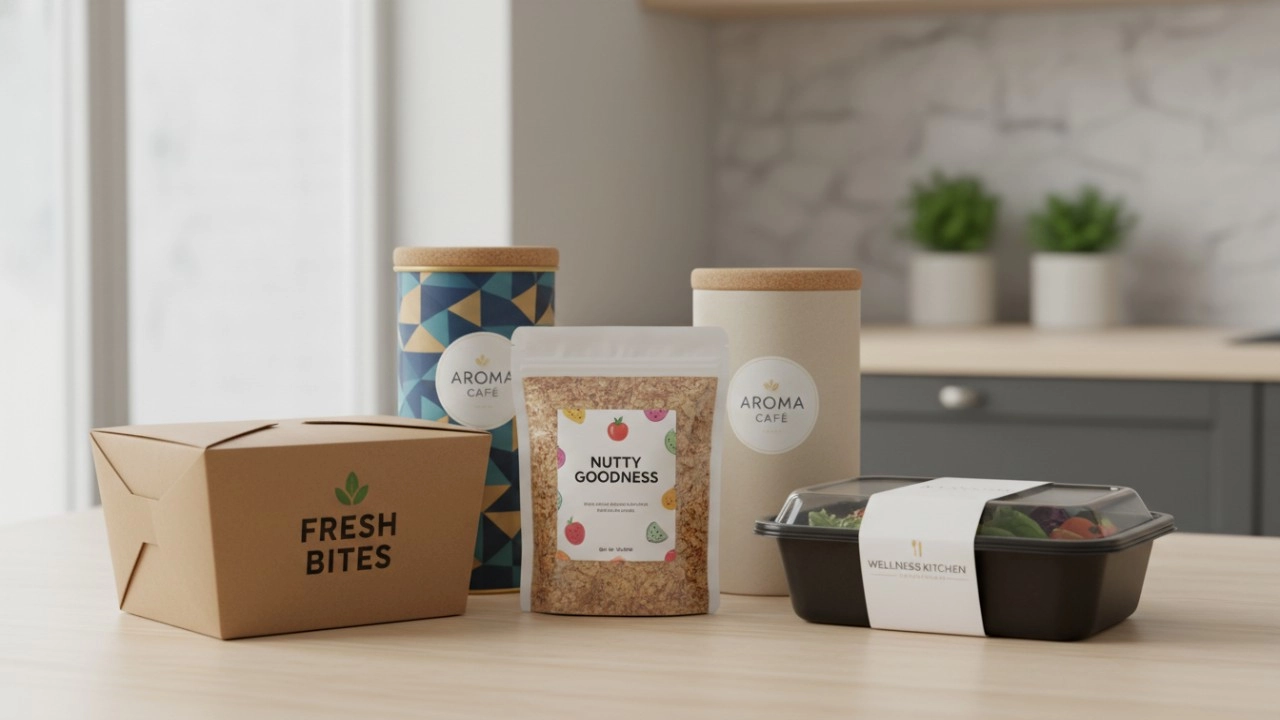
Custom Food Packaging Solutions for Restaurants & Food Brands
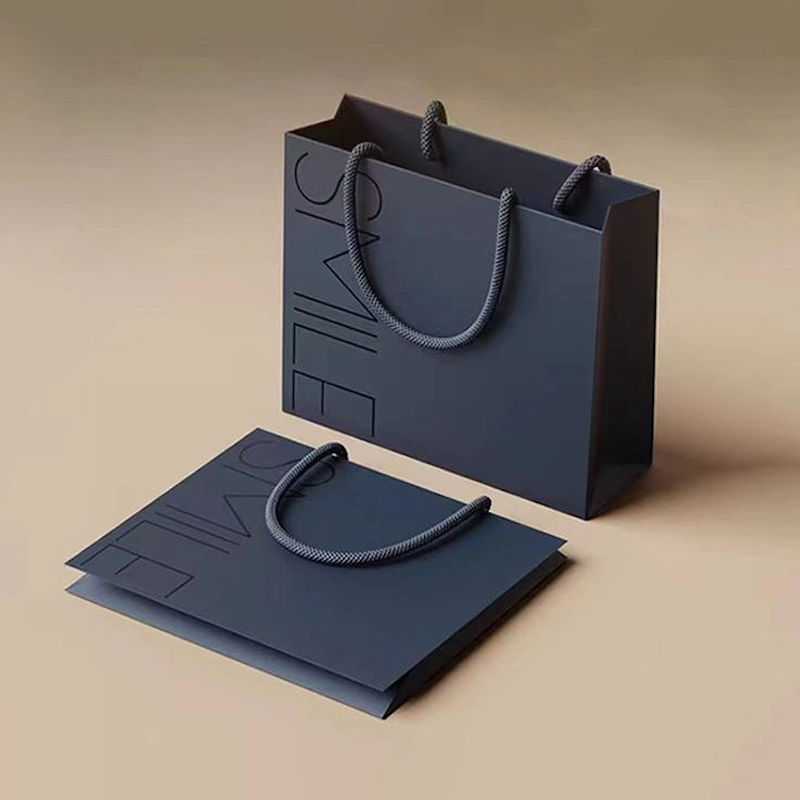
Easy Ways to Reorganize and Store your Reusable Shopping Bags
Plastic bags are gradually being replaced by a better and more environmentally friendly alternative: the reusable shopping bag.
However, when you start using reusable bags, the issue of storing and sorting them emerges.
This may not seem like a big issue at first, but the larger your collection, the less convenient it will be to store the bags in a drawer.
Fortunately, there are a few easy methods to help you organise your bags and ensure that you can find one quickly when you go shopping again.
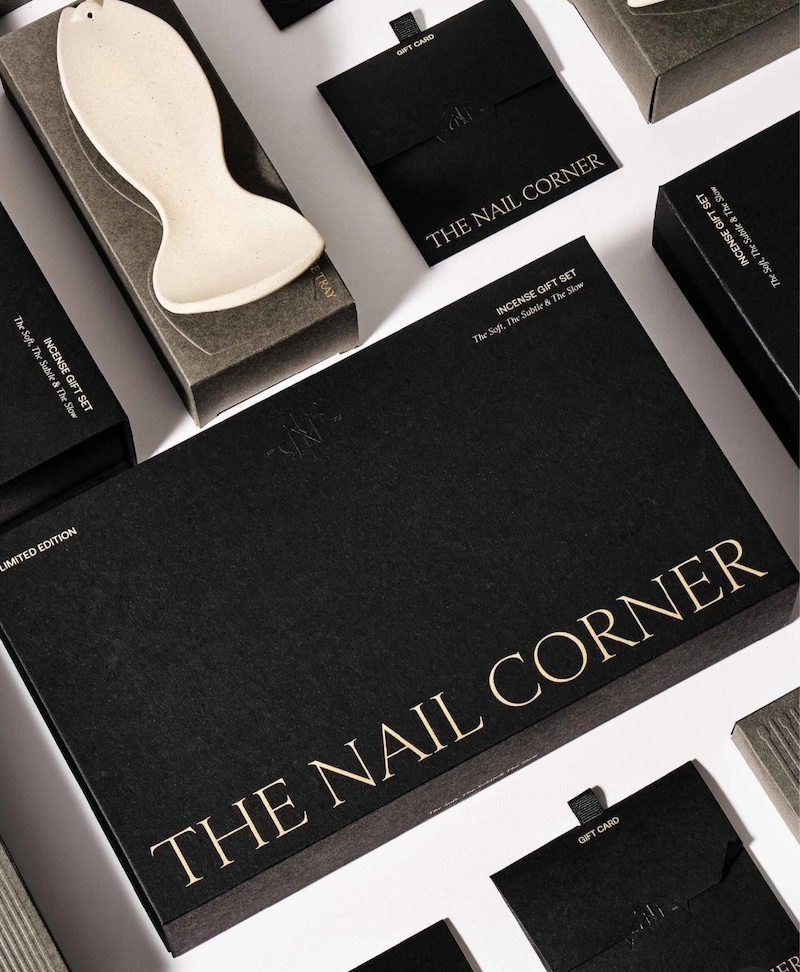
What is Varnish for Packaging & Print?
In the packaging and printing industry, varnish is a common finishing method used to provide an additional protective layer and enhance the appearance of printed materials.
It is a transparent liquid sprayed onto the surface of printed materials to provide a protective coating against external elements such as dust, dirt and moisture.
Varnish can also enhance the tensile strength of paper-based packaging, thereby increasing its resistance to shipping and handling.
With a variety of types of varnish, each with their own characteristics and advantages, varnish is a flexible and indispensable tool for designers and printers looking to improve the quality and longevity of their work.
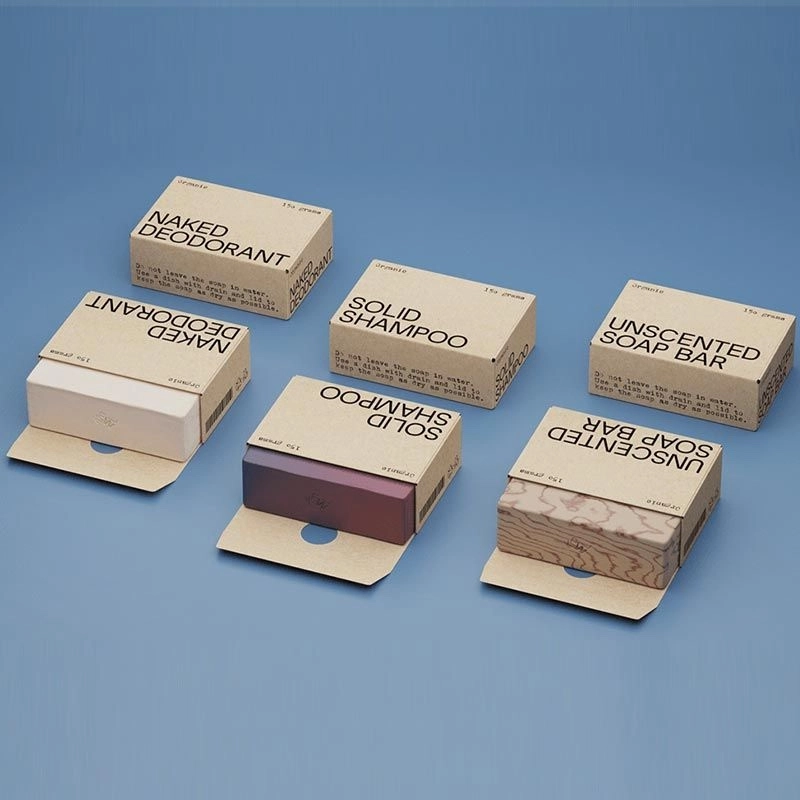
The Guide to Soap Packaging Design
Artisanal soap has become a highly popular product, with many soap-producing businesses experiencing significant growth.
Handmade soap makes an excellent gift for others and can also be a luxurious treat for yourself.
With so many wonderful fragrances to choose from, demand for handmade soaps is certainly increasing.
However, as soap making developed, attention to practical packaging also increased.
To demonstrate the soap's high quality and uniqueness, the packaging must reflect this without compromising the product's safety for customers.
Finding the right balance between protection and aesthetics when it comes to soap packaging can be difficult, but there are certainly alternatives that business owners can consider.
This paper is a complete guide to properly packaging soap in your business and making the customer experience of artisanal soap really special.
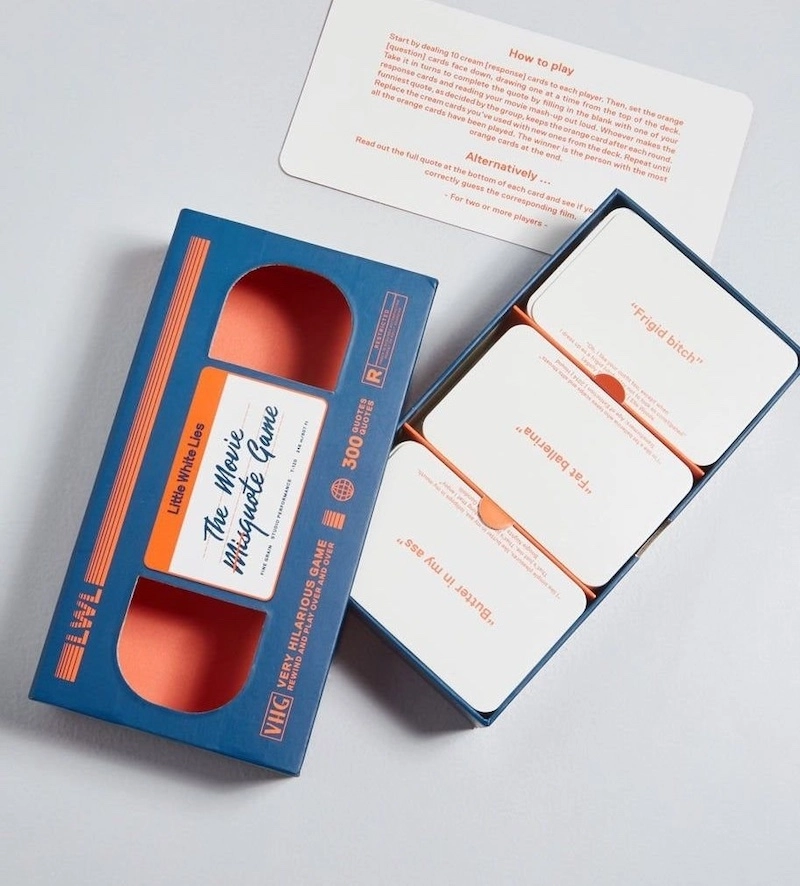
How to Write A Packaging Design Brief
As we've discussed, efficient packaging design can elevate your product and make it stand out.
Packaging can have a significant impact on your business, so it's important to take the time to get it right. In this paper, we will discuss how to create an effective packaging design brief.
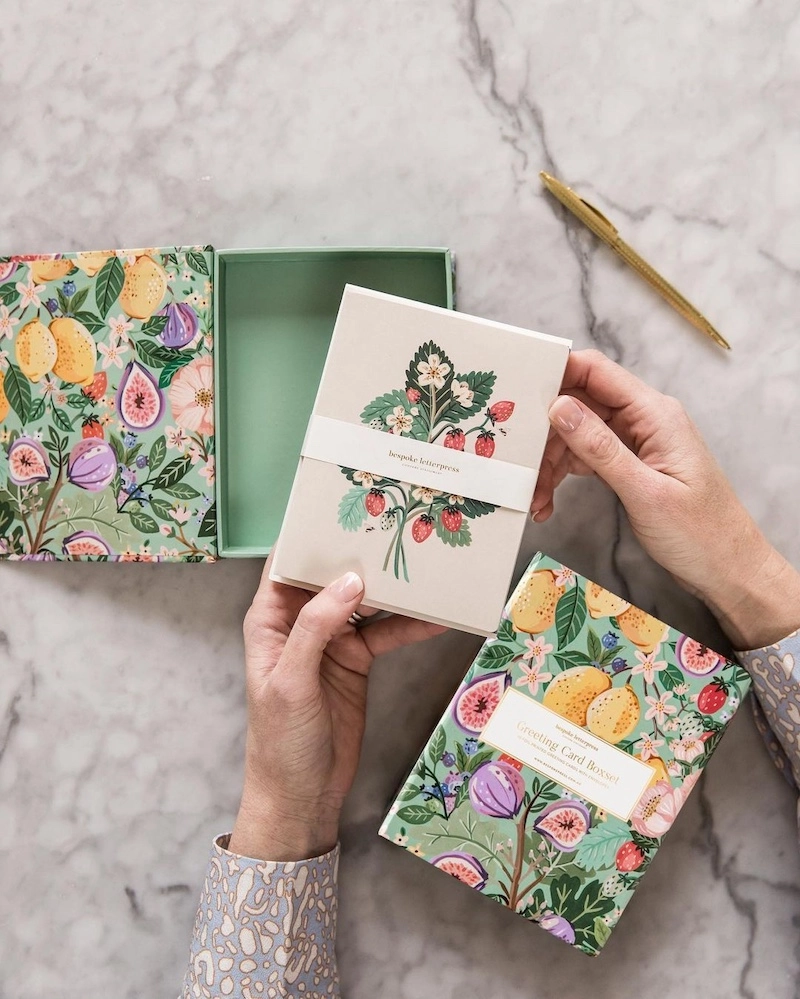
How to Design Packaging for a New Product
Although companies spend a lot of time designing and conceptualising products, packaging is often an afterthought in the product development process.
As your packaging represents your products, it is a good idea to incorporate packaging considerations into the product development process.
Packaging is significant in:
- the customer experience
- creating brand narrative
- creating brand credibility
- Raises brand awareness and reach.
It will be the first thing your customers see, so make it count!
So, make it count!
Although the production process is not complicated, making the right decisions in your packaging design is the secret to creating effective and impressive packaging.
The following are five considerations for designing the packaging of a new product:
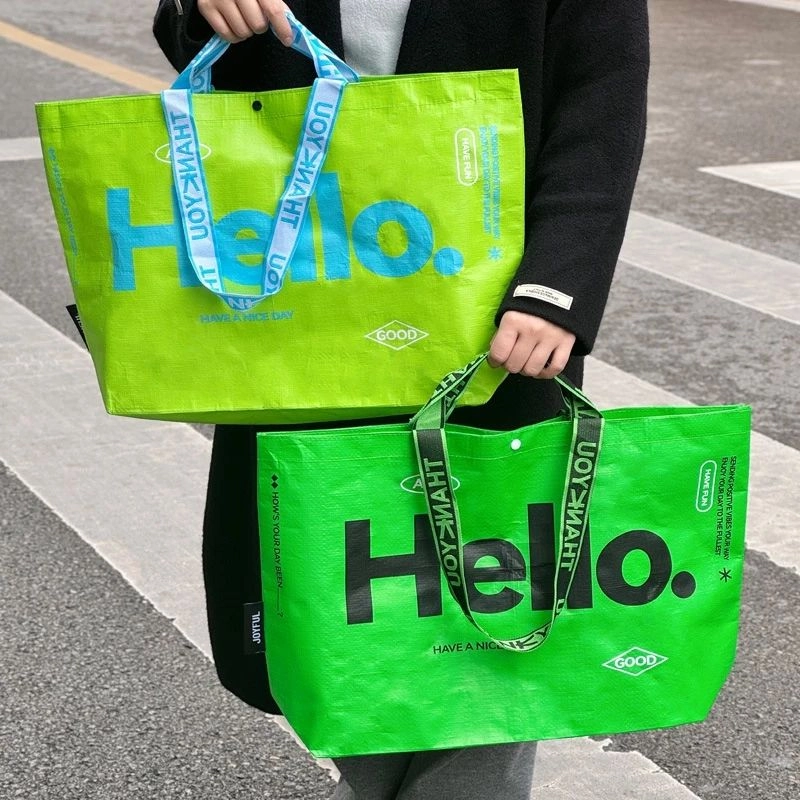
The Ultimate Guide to Creating Custom Reusable Shopping Bags
Would you like to be sustainable in a fun and stylish way, while also creating memorable branding for your customers? If so, eco-friendly tote bags are the solution.
Tote bags, grocery bags and shopping bags are currently popular in the market. As customers become more aware of their carbon footprint and the environmental impact of traditional packaging, companies must adapt to these sustainable practices. Reusable bags are environmentally friendly and have numerous other advantages that make them a necessity.
Read on to find out everything you need to know about this sustainable alternative and how to make your own tote bag to help save the environment!
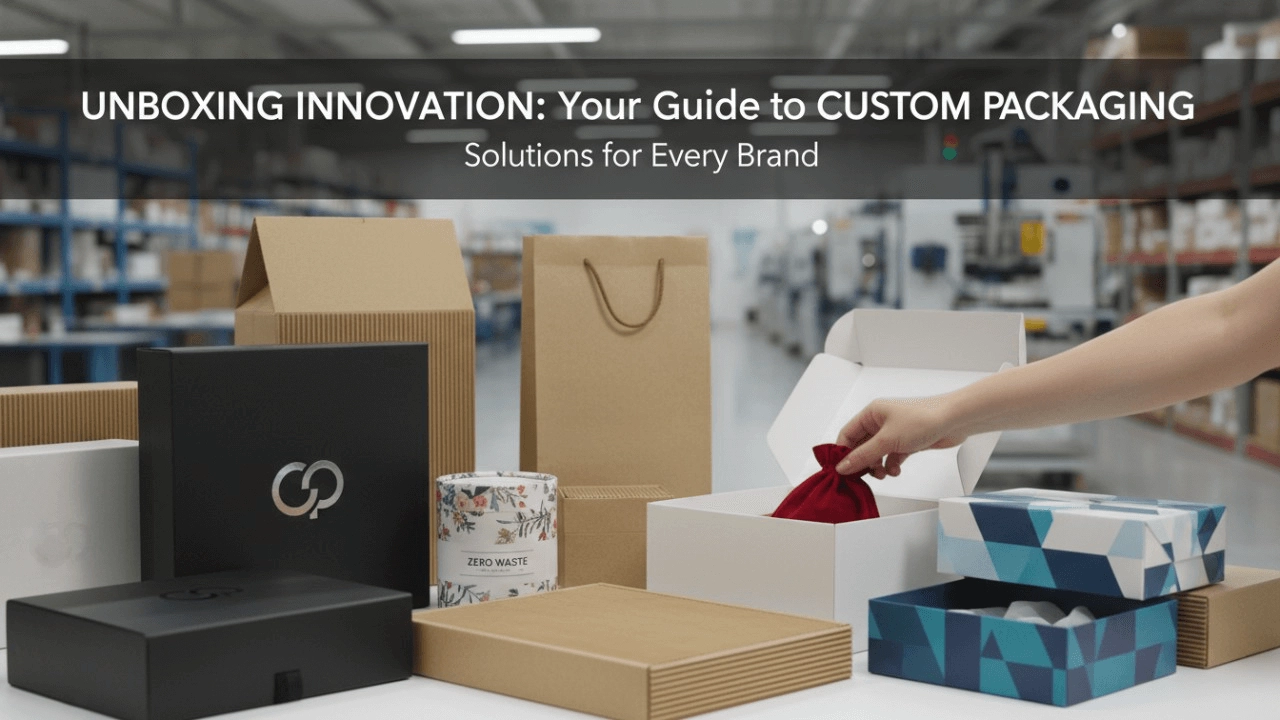
Custom Packaging Manufacturer for Brand Growth and Market Differentiation in 2026
Learn how a custom packaging manufacturer supports brand differentiation through tailored box solutions, advanced printing technology, and scalable paper packaging production.
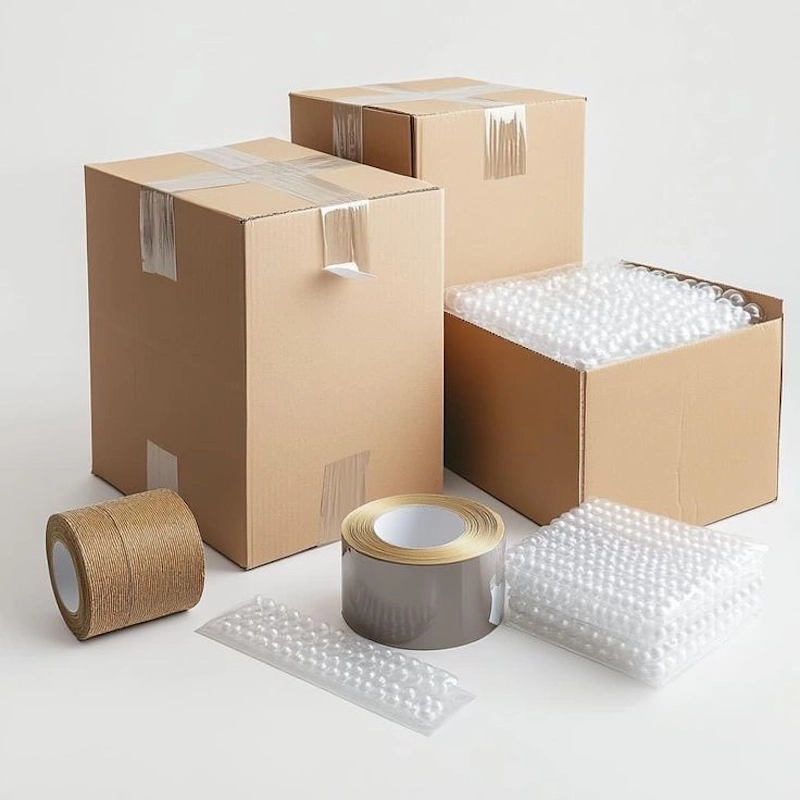
RSC vs Die Cut: Which Box Style is Right for You?
The type of box you choose for your products is critical because it determines their appearance and the level of protection they have during transportation. RSC and die-cut boxes are two of the most popular types, each with their own advantages and disadvantages. So, which one fits your business needs better?
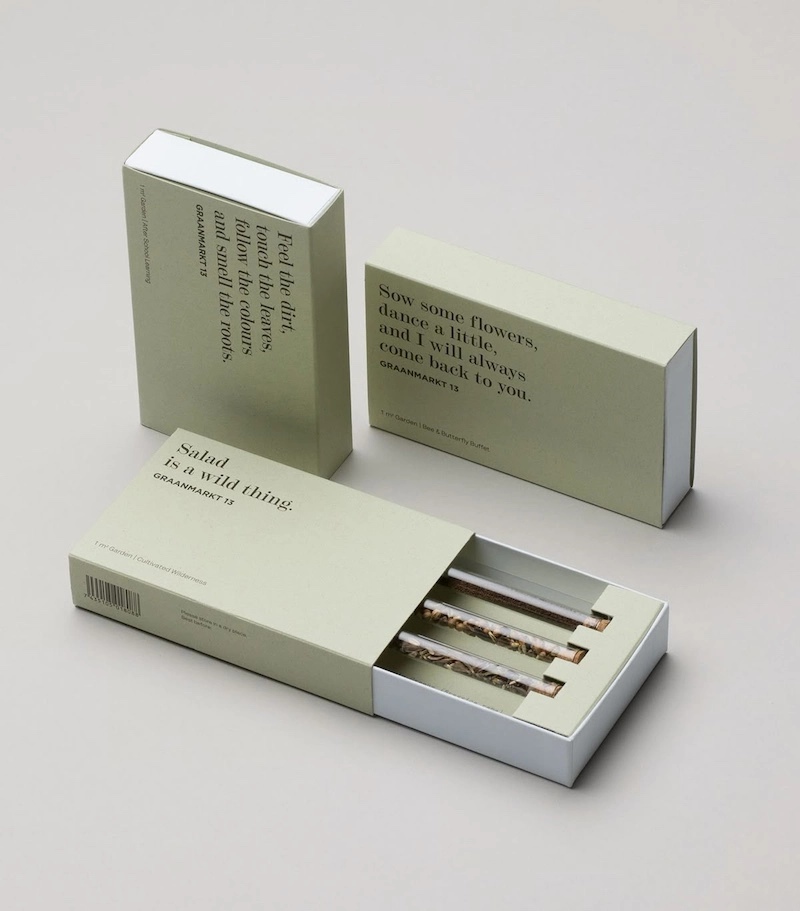
The 6 Characteristics of Good Packaging
The design of packaging has long since evolved beyond the simple brown box or bag.
It has become an effective way for brands to connect with customers and create a memorable impression.
In the current competitive world, good product packaging design is about more than just appearance.
It's about creating an experience that appeals to consumers on various levels.
Think about it: when you pick up a product, it's not just about its beauty.
It's also about the sensation of holding the product, how it opens and the story it tells.
This is why great packaging features are not limited to visuals.
They encompass everything from functionality and eco-friendliness to presenting your brand story and ensuring it resonates with your target audience.
In this article, we will discuss six game-changing features that will inspire you.
We will provide you with behind-the-scenes information on how to ensure your packaging is eye-catching and meets all the requirements of functionality, sustainability, brand storytelling, consumer experience and market positioning.
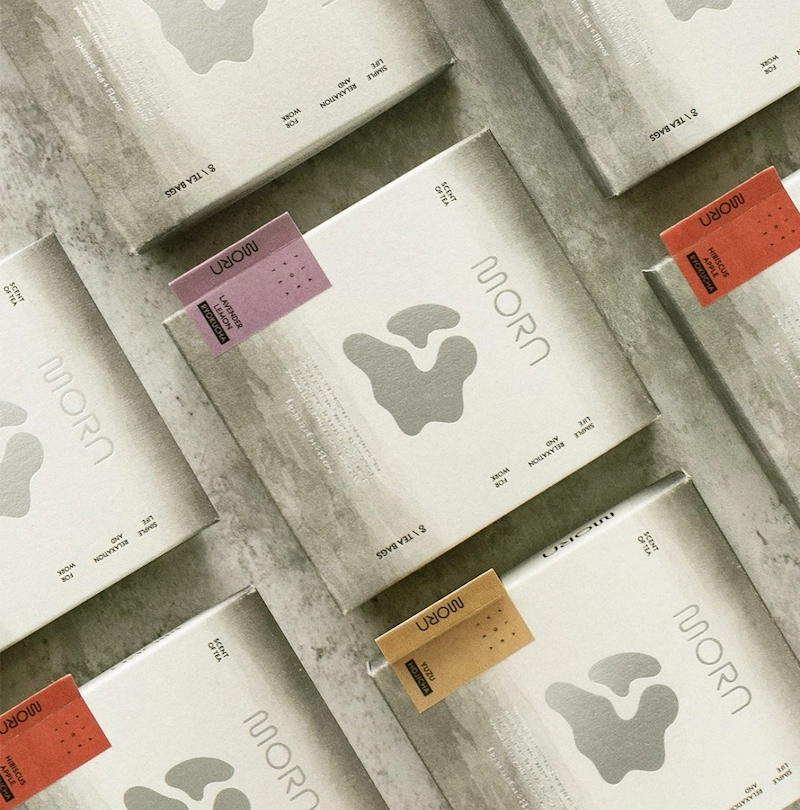
Tips to Create the Right Packaging Logo (With Examples)
Have you ever received a package from your favourite shop? When you see the logo on the box, you get excited and can't wait to open it. So why not give your customers the same feeling?
If you don't pay much attention to your logo and packaging design, it's time to change them. An empty box with minimal or no signage looks suspicious and is unclear. Alternatively, putting your logo on the package will:
Make you more recognisable and enhance brand awareness.
It will also help you to stick to brand consistency and represent who you are correctly.
It will inform your customers of what to expect and enhance consumer confidence.
Designing a logo for your packaging is a good idea, and in this case, we would like to help you utilise this strength to your advantage. Below, you will find some creative ideas on how to design the perfect packaging logo. You will also see examples of excellent packaging from the best brands. Let's get started!
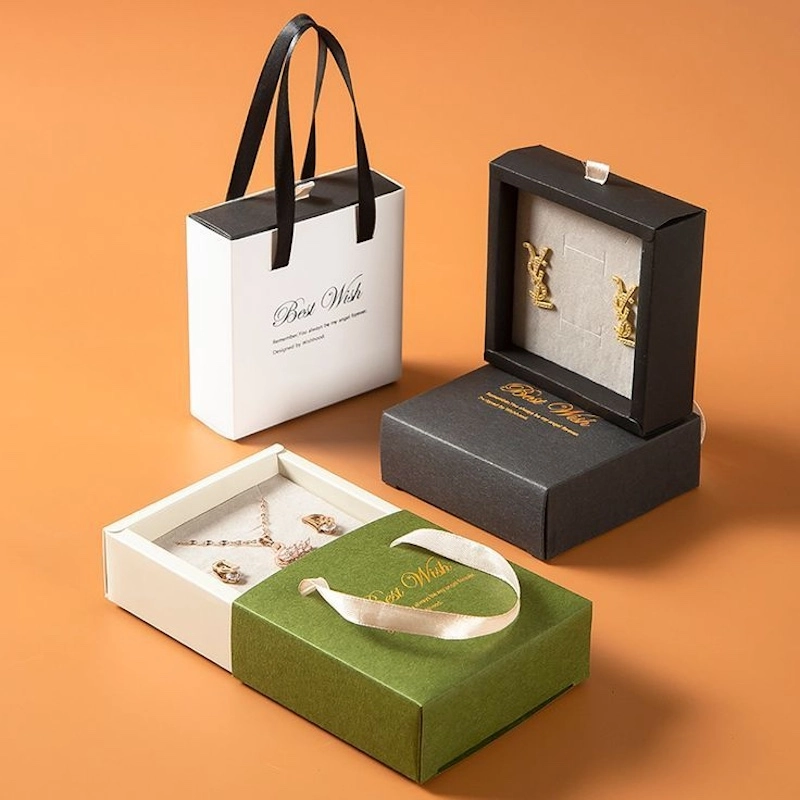
How Do You Package Jewelry Eco-Friendly?
In most sectors of the economy, organisations are currently embracing sustainable practices to help maintain a clean environment, and the jewellery industry is no exception. With technological advances, innovations and a growing awareness of the environmental impact of traditional packaging, there has never been a better time to make a positive impact. Indeed, a report by Future Market Insights indicates that the global market for paperboard jewellery boxes, a popular eco-friendly packaging option, is projected to reach 118.6 million dollars by 2034, representing a significant step towards sustainable packaging in the jewellery industry.
Eco-friendly packaging not only benefits the environment by minimising waste, carbon footprint and global impact, but also creates a positive brand image and added value, driving the jewellery industry towards greater sustainability. In this brief tutorial, we will therefore demonstrate how to create sustainable, eco-friendly jewellery packaging.
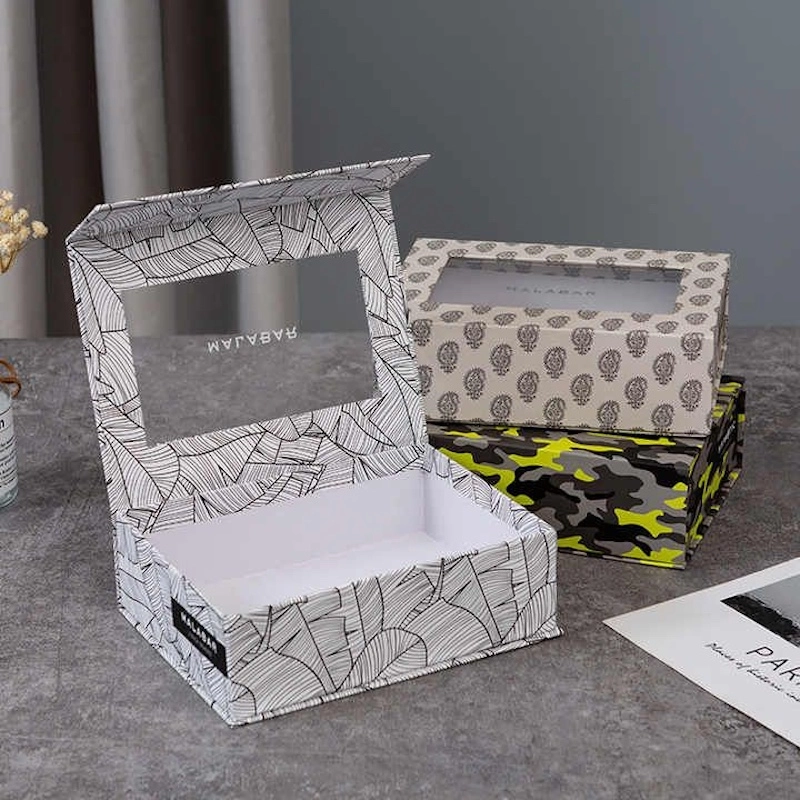
Window Patching: A Package’s Store Front
Have you ever walked down a shopping street or through a shopping centre and seen products displayed in shop windows?
Shop owners strategically place tempting items in their shop windows to lure customers in and encourage them to make a purchase.
But did you know that a similar method is used with packaging?
This process is known as window patching.
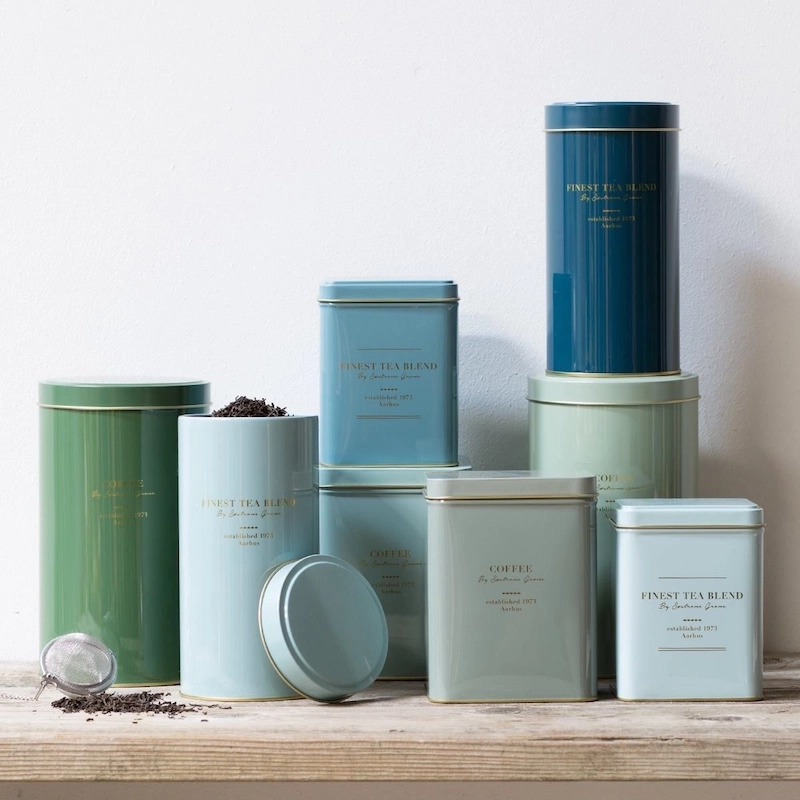
The Master Guide to Tin Box Packaging for Your Products
Are you looking for a versatile, durable, customisable luxury product in a lightweight container that is ideal for storing food, cosmetics and other items? Metal tin boxes are a great option and have been popular for decades. So, if you're planning your next big packaging project and considering this premium option, you've come to the right place!
This guide will tell you everything you need to know about metal tins before embarking on your next packaging project.
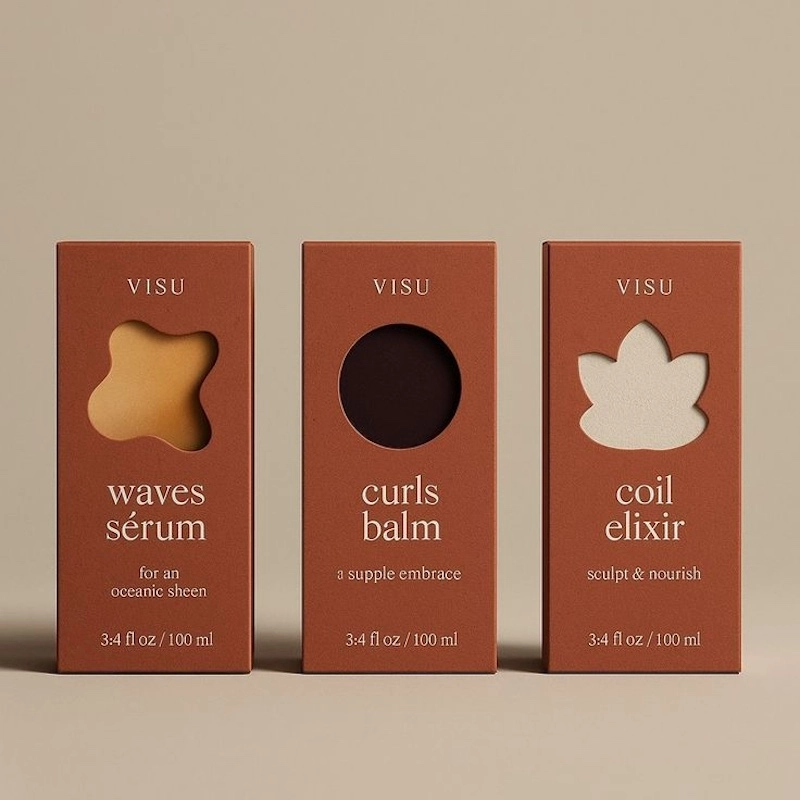
8 Ways Custom Packaging Benefits Your Products
Over the past decade, there has been a tremendous increase in e-commerce and online shopping. Physical stores have rapidly become a less popular way of shopping, but in the fast-developing e-commerce environment, packaging is an important aspect of the shopping experience.
E-commerce and shipping do not prevent businesses from presenting their products and brand identity through packaging. Having a product to sell is not enough; you must outshine the competition and demonstrate that your product is the best. This is usually achieved through packaging. However, before we delve into the reasons why personalised packaging will be beneficial to your products, we need to start with the fundamentals.
Get Custom Packaging Today
Connect with our experts to find the OEM printing and packaging solution that best suits your needs. Find out how Winpack Printing meets your brand's unique requirements.


Get in touch
© 2025 WINPACK PRINTING. All rights reserved

Wenhua Printing packaging
winpackprinting
Winpack Printing